The electric vehicle industry is experiencing its most significant technical leap since the lithium-ion battery—and it’s all about voltage. 800v architecture represents a fundamental shift in how electric vehicles manage power, delivering charging speeds that make EV road trips genuinely competitive with gasoline refueling. What began as a premium feature in Porsche Taycan and Audi e-tron GT has rapidly expanded across the industry.
Understanding 800v architecture requires looking beyond marketing claims to grasp the genuine engineering advantages. Higher voltage systems enable faster charging, improved efficiency, reduced weight, and better performance—all critical factors as electric vehicles transition from early adopter novelty to mainstream transportation.
The Voltage Revolution: From 400V to 800V
Most electric vehicles produced before 2022 operated on 400V electrical architectures. This standard, inherited from early hybrid vehicles, seemed sufficient when EVs were niche products. However, as battery capacities grew and consumers demanded faster charging, 400V systems hit fundamental physical limitations.
The relationship between voltage, current, and power follows basic electrical principles: Power equals Voltage multiplied by Current. To deliver 350 kW of charging power—a 400V system requires 875 amps of current. This massive amperage demands extremely thick, heavy copper cables and creates significant efficiency losses.
By doubling voltage to 800V, the same 350 kW charging power requires only 437.5 amps. This reduction enables thinner, lighter wiring, reduced cooling requirements, and improved overall efficiency. Porsche pioneered production 800V systems with the 2019 Taycan, demonstrating that high-voltage architectures could work reliably in consumer vehicles.
Technical Advantages of 800V Systems
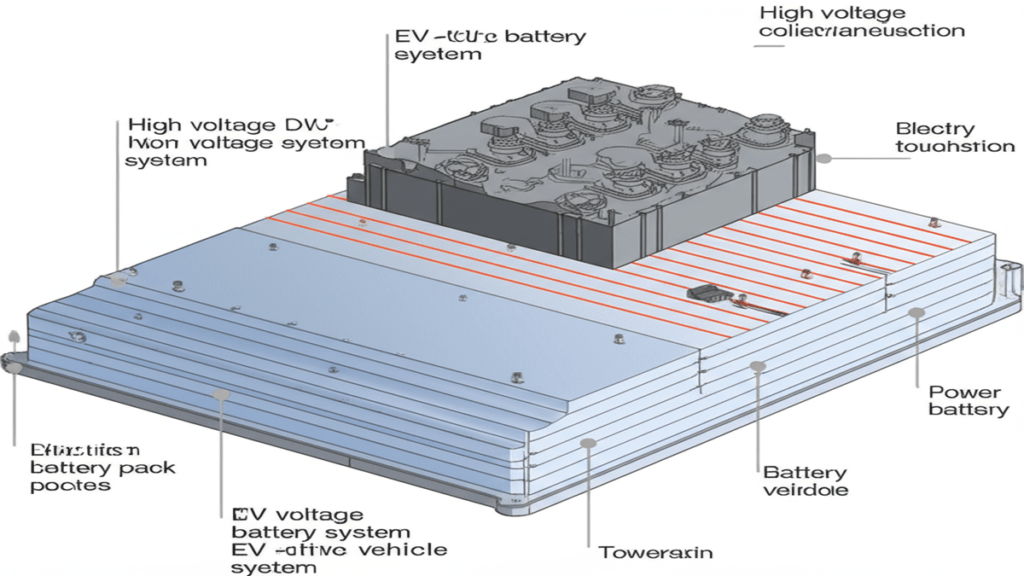
The benefits of 800v architecture extend far beyond faster charging. Weight reduction represents a significant advantage—high-current 400V systems require thick copper busbars and heavy-duty cabling. By halving current requirements, 800V systems use thinner, lighter conductors, saving over 50 pounds in typical luxury EVs.
Thermal management improves dramatically with reduced current. Electrical resistance generates heat according to the formula P = I²R, meaning heat increases with the square of current. Halving current reduces resistive heating to one-quarter of equivalent 400V systems, enabling smaller cooling systems and reducing energy waste.
Motor performance benefits from higher voltage as well. Electric motors can spin faster and produce more power when supplied with higher voltage, enabling smaller, lighter motors. The Lucid Air, with its 900V+ system, achieves industry-leading efficiency partly through these motor optimizations.
800V Vehicles Available in 2026
The adoption of 800v architecture has accelerated dramatically. What began as a premium feature in $150,000+ sports cars now appears in mainstream vehicles. Hyundai Motor Group leads democratization of 800V technology—the Hyundai IONIQ 5, Kia EV6, and Genesis GV60 all feature 800V systems starting around $42,000.
European manufacturers embraced 800V early. Beyond Porsche and Audi, the Audi Q6 e-tron and Volkswagen ID.7 feature high-voltage architectures. Mercedes incorporates 800V systems in the EQS and EQE, while BMW’s Neue Klasse platform will standardize 800V across the lineup.
American manufacturers are catching up quickly. The GMC Hummer EV and Cadillac Lyriq utilize 800V architectures, with GM planning widespread adoption. Even Tesla, long committed to 400V, is reportedly developing 800V architectures for future platforms.
Charging Infrastructure: The Critical Enabler
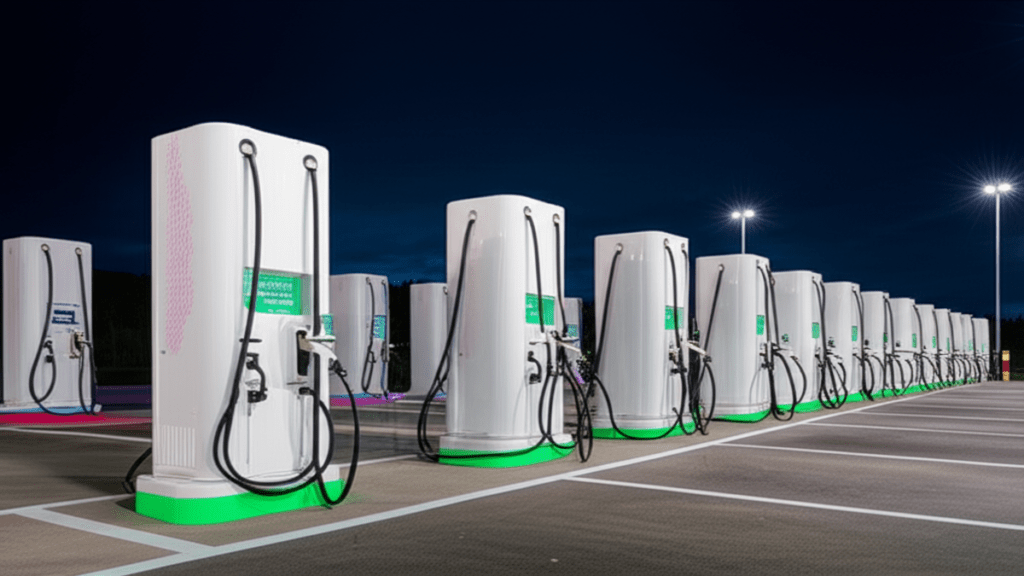
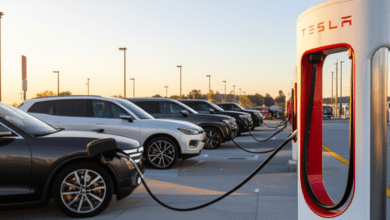
Advanced vehicle technology means little without supporting infrastructure. Electrify America leads North American deployment with over 800 stations featuring 350 kW chargers. Tesla’s Supercharger V4, rolling out throughout 2024-2025, supports 350 kW charging and will eventually offer 500 kW+ capability.
European networks have embraced high-power charging even more aggressively. IONITY operates over 2,000 high-power charging points across Europe. China’s charging infrastructure far exceeds Western capabilities—State Grid Corporation operates over 1.5 million public charging points, including thousands of 480 kW liquid-cooled stations.
The infrastructure expansion creates a virtuous cycle. As more 800V vehicles hit roads, charging networks invest in higher-power equipment. As more high-power stations become available, consumers gain confidence in EV road trip capability. Learn more about charging options in our home charging guide.
Real-World Performance: Numbers That Matter
Marketing claims about 800v architecture mean little without real-world validation. The Hyundai IONIQ 5 demonstrates the technology’s practical value—charging from 10% to 80% in 18 minutes, adding approximately 220 miles of range. This compares to 35-40 minutes for equivalent 400V vehicles.
Porsche Taycan owners report even more impressive results. The Taycan maintains high charging speeds longer than most competitors, accepting over 250 kW from 5% to 50% state of charge. A 15-minute charge typically adds 200+ miles of range—sufficient for three hours of highway driving.
Efficiency improvements translate to real range benefits. The Lucid Air achieves over 4.5 miles per kWh—compared to 3.0-3.5 for most competitors. This efficiency advantage means either longer range from the same battery capacity or equivalent range from a smaller, lighter, cheaper battery.
The Future: 1000V and Beyond
While 800V represents the current state-of-the-art, engineers already look toward higher voltages. Some commercial vehicles and specialty applications are moving toward 1000V+ architectures to achieve even faster charging. The Tesla Semi reportedly uses 1000V systems to enable megawatt-level charging.
Standardization efforts are underway to ensure compatibility as voltages increase. CharIN, the organization behind the CCS charging standard, is developing specifications for 1000V charging that will maintain backward compatibility with existing 400V and 800V vehicles.
What This Means for EV Buyers
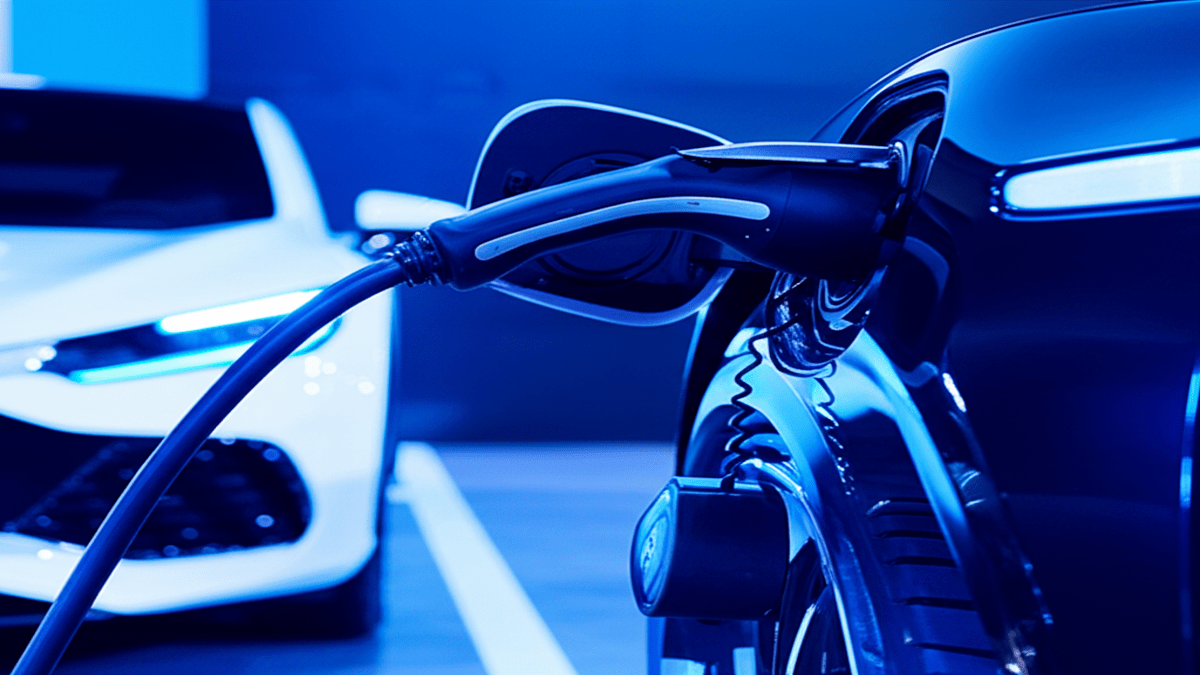
For consumers evaluating electric vehicles, 800v architecture has become a crucial specification. The technology’s benefits are substantial and immediately noticeable. Road trip capability transforms most dramatically—what required 45-minute charging stops in early EVs now takes 15-20 minutes.
Resale value considerations increasingly favor 800V vehicles. As charging infrastructure continues expanding toward 350 kW+ capability, 400V vehicles will seem increasingly dated. Early 800V adopters enjoy vehicles that will remain technologically relevant longer.
For buyers prioritizing technology and future-proofing, 800V architecture has become essential. While 400V vehicles remain viable for local commuting, 800V systems deliver the convenience that makes EVs genuinely superior to gasoline vehicles. The transition to 800V represents more than incremental improvement—it signals electric vehicles’ maturation from compromise to superiority. For the latest on EV technology, visit the International Energy Agency.
Does 800V architecture matter for your next EV purchase, or is standard charging sufficient for your needs? Share your thoughts below.