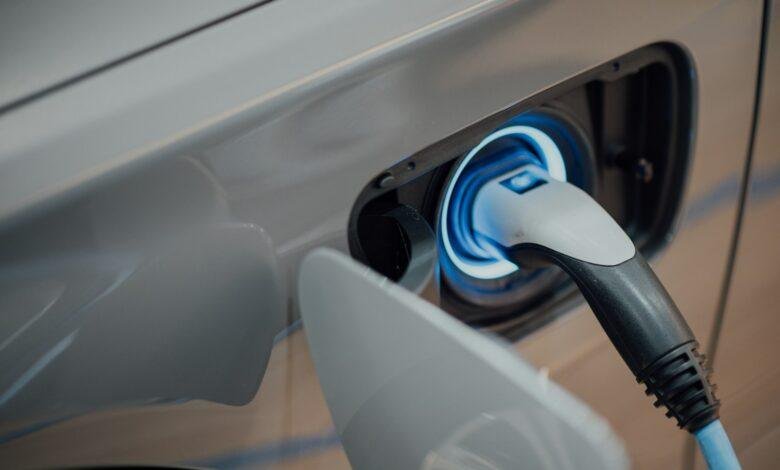
Electric car charging is the foundation of EV ownership, yet it remains one of the most misunderstood aspects for new buyers. Whether you are considering your first electric vehicle or looking to optimize your current setup, understanding the different types of EV charging, costs, and connector options is essential. This comprehensive guide breaks down everything you need to know about this technology in simple, easy-to-understand terms. For more EV guides, check out our Guides section.
Types of Electric Car Charging Explained
Not all charging systems are created equal. There are three main levels of powering your EV, and understanding the differences is crucial for every owner. According to the U.S. Department of Energy, choosing the right method can significantly impact your ownership experience.
Level 1: Standard Household Outlet

Level 1 uses a standard 120-volt household outlet—the same one you use for your phone or laptop. While convenient, it is the slowest option available for powering your vehicle.
- Speed: Adds 3-5 miles of range per hour
- Best for: Overnight top-ups, plug-in hybrids, emergency situations
- Equipment needed: The cable that comes with your EV
If you drive less than 40 miles per day, this method might be sufficient for your needs. However, for most owners, Level 1 is too slow for daily use. Learn more about costs in our analysis section below.
Level 2: Home and Public Stations
Level 2 uses a 240-volt outlet, similar to what powers your dryer or oven. This is the most common method for home use and public stations. The EPA confirms that Level 2 is the sweet spot for most EV owners.
- Speed: Adds 25-40 miles of range per hour
- Best for: Daily home use, workplace top-ups, overnight sessions
- Equipment needed: Wall-mounted station unit
Installing a Level 2 station at home typically costs between $500 and $2,000, including installation. Many utility companies offer rebates that can significantly reduce this cost. Check out our Tech & Charging category for more technical guides.
Level 3: DC Fast Charging

Level 3, also known as DC Fast Charging, is the fastest option available. These stations are found along highways and in urban centers. For long trips, you can rely on networks like Electrify America or Tesla Supercharger.
- Speed: Adds 100-250 miles of range in 30 minutes
- Best for: Road trips, quick top-ups, long-distance travel
- Cost: Typically $0.30-$0.60 per kWh
While incredibly convenient for long trips, frequent use of fast charging can slightly degrade your battery over time. For daily use, Level 2 is recommended. Stay updated with the latest news in our EV News section.
EV Charging Costs Breakdown
One of the biggest advantages of ownership is lower fuel costs. Understanding the costs helps you budget effectively and maximize savings. Here is a breakdown of what you can expect to pay:
Home Charging Costs
The average U.S. electricity rate is about $0.16 per kWh. To fully charge a 75 kWh battery (typical for a Tesla Model Y or similar) using home equipment:
- Full charge cost: $12.00
- Cost per mile: $0.04-$0.06
Compared to gasoline at $3.50 per gallon, home charging costs roughly 60-70% less per mile. This data is supported by research from the National Renewable Energy Laboratory.
Public Station Costs
Public stations vary widely in pricing:
- Level 2 public: Often free at shopping centers, $0.20-$0.40 per kWh otherwise
- DC Fast Charging: $0.30-$0.60 per kWh
Some networks like Electrify America and Tesla Supercharger offer membership programs that can reduce your costs by 10-25%.
Understanding Charging Connectors
Just like phone chargers, not all EVs use the same connector. Here are the main types you will encounter when using any electric car charging station:
SAE J1772 (Type 1)
The standard connector for Level 1 and Level 2 in North America. All EVs sold in the U.S. can use this connector, though Tesla vehicles require an adapter.
CCS (Combined Charging System)
The most common connector for DC fast sessions. It combines the J1772 connector with two additional DC pins below. Used by most non-Tesla EVs including Ford, GM, BMW, and Volkswagen.
CHAdeMO
An older DC fast standard primarily used by Nissan and Mitsubishi. While still available, it is becoming less common as CCS adoption grows.
Tesla Supercharger (NACS)
Tesla’s proprietary connector is sleek and compact. Recently renamed NACS (North American Charging Standard), it is now being adopted by other automakers including Ford, GM, and Rivian. Read our Reviews to see how different EVs perform.
Finding Charging Stations
Locating stations is easier than ever thanks to several helpful apps and built-in vehicle navigation systems:
- PlugShare: The most comprehensive database with user reviews and photos
- A Better Routeplanner: Essential for road trips, plans your route around stops
- ChargePoint: Shows real-time availability for ChargePoint locations
- Your EV’s built-in navigation: Tesla, Ford, and most modern EVs include station locations in their native maps
Charging Etiquette
As adoption grows, following proper etiquette ensures everyone has a positive experience:
- Do not hog fast chargers: Move your vehicle once your session is complete
- ICEing is not cool: Never park a gas-powered car in an EV spot
- Report broken stations: Help the community by reporting issues on apps like PlugShare
- Keep cables tidy: Return cables to their holders when finished
Frequently Asked Questions
How long does it take to charge?
Charging time varies by level: Level 1 takes 8-12 hours for a full battery, Level 2 takes 4-8 hours, and DC fast can add 100-250 miles in just 30 minutes.
Is home charging safe?
Yes, home charging is very safe. Modern EVs and equipment include multiple safety features. Level 1 uses standard outlets, while Level 2 requires professional installation for safety.
Can I use any station?
Most stations work with multiple EV brands, but connector types vary. Tesla Superchargers are opening to other brands, and adapters are available for most combinations.
Final Thoughts
Understanding how to power your EV is not complicated once you know the basics. For most drivers, installing a Level 2 charger at home provides the best experience, combining convenience with low costs. Public networks continue to expand rapidly, making long-distance travel easier than ever.
Have questions about electric car charging? Contact us or drop them in the comments below, and we will do our best to help you navigate the electric future. Learn more about our team and mission at EV Pulse Daily.