If you’re considering making the switch to an electric vehicle or have recently purchased one, you’re probably wondering about the cost to charge ev at home. This question is on every new EV owner’s mind, and for good reason—understanding your charging costs is essential for budgeting and maximizing the financial benefits of electric vehicle ownership.
The good news? Charging your electric vehicle at home is significantly cheaper than fueling a traditional gasoline car. In fact, the average cost to charge ev at home can be up to 60% less expensive than buying gas, depending on your local electricity rates and driving habits.
In this comprehensive guide, we’ll break down everything you need to know about home EV charging costs, from basic electricity calculations to advanced money-saving strategies that will help you minimize your charging expenses while enjoying the convenience of waking up to a fully charged vehicle every morning.
Breaking Down the Cost to Charge EV at Home
Understanding electricity rates for EV charging
Level 1 Charging: The Basic Option
Level 1 charging uses a standard 120-volt household outlet and requires no special installation. While convenient, it’s the slowest option:
– Charging Speed: 3-5 miles of range per hour
– Full Charge Time: 24-48 hours for most EVs
– Equipment Cost: $0 (uses included charging cable)
– Installation Cost: $0
The cost to charge ev at home with Level 1 is the same per kWh as Level 2, but the slower charging speed means you might not always wake up to a full battery if you drive long distances daily.
Level 2 Charging: The Smart Investment
Level 2 charging requires a 240-volt outlet and dedicated charging equipment:
– Charging Speed: 25-40 miles of range per hour
– Full Charge Time: 4-8 hours for most EVs
– Equipment Cost: $400-$800 for the charging station
– Installation Cost: $500-$2,000 depending on electrical work needed
While there’s an upfront investment, Level 2 charging offers significant advantages:
– Faster charging means you can take advantage of off-peak electricity rates
– More efficient charging (less energy lost as heat)
– Smart features like scheduling and energy monitoring
Return on Investment: Most EV owners recover their Level 2 installation costs within 12-18 months through lower electricity rates and improved convenience.
Time-of-Use Rates: The Secret to Lowering Your Cost to Charge EV at Home
What Are Time-of-Use (TOU) Rates?
Many utility companies offer Time-of-Use (TOU) rate plans that charge different electricity prices depending on the time of day. These plans can dramatically reduce your cost to charge ev at home if you charge during off-peak hours.
Typical TOU Rate Structure:
– Peak Hours (4 PM – 9 PM): $0.25-$0.45 per kWh
– Off-Peak Hours (11 PM – 6 AM): $0.08-$0.12 per kWh
– Shoulder Hours: $0.15-$0.20 per kWh
Real-World Savings Example
Let’s compare charging a 75 kWh battery at different rates:
Peak Hours Charging:
– 75 kWh × $0.35 = $26.25 per full charge
Off-Peak Hours Charging:
– 75 kWh × $0.10 = $7.50 per full charge
Monthly Savings: If you fully charge twice per week, switching to off-peak charging saves you $150+ per month or $1,800+ per year!
How to Access Off-Peak Rates
1. Contact your utility company to switch to a TOU rate plan
2. Install a smart EV charger with scheduling capabilities
3. Set your charging schedule to start during off-peak hours
4. Use your EV’s built-in scheduling if your charger doesn’t have smart features
Additional Factors That Impact Your Cost to Charge EV at Home
Climate and Weather Conditions
Temperature significantly affects your EV’s efficiency and, consequently, your cost to charge ev at home:
– Cold Weather (Below 40°F): Can reduce range by 20-40%, meaning more frequent charging
– Hot Weather (Above 95°F): Air conditioning use can reduce range by 5-20%
– Mild Weather: Optimal efficiency with minimal range loss
Money-Saving Tip: Precondition your vehicle while still plugged in to use grid power rather than battery power for heating or cooling.
Battery Size and Vehicle Efficiency
Different EVs have varying battery sizes and efficiency ratings:
More efficient vehicles cost less to charge per mile, so consider efficiency ratings when comparing the cost to charge ev at home across different models.
Solar Panels and Home Energy Storage
If you have solar panels, you can dramatically reduce or even eliminate your cost to charge ev at home:
– Direct Solar Charging: Charge during peak sun hours using excess solar generation
– Net Metering: Sell excess solar power during the day, buy back cheaper electricity at night
– Home Battery Storage: Store solar energy during the day for EV charging at night
Typical Savings: Solar panel owners report 50-100% reduction in EV charging costs, with payback periods of 5-8 years for the solar installation.
Hidden Costs and Considerations
Installation and Equipment Costs
When calculating your total cost to charge ev at home, don’t forget these one-time expenses:
Equipment:
– Basic Level 2 charger: $400-$600
– Smart charger with app: $600-$900
– Premium charger with WiFi/4G: $800-$1,200
Electricity Demand Charges
Some utility companies impose demand charges for high-power usage during peak hours. If you’re charging multiple EVs or using other high-power appliances simultaneously, you might face additional fees ranging from $10-$50 per month.
Maintenance and Longevity
Unlike gas cars, EVs require virtually no maintenance for the charging system. Level 2 chargers typically last 10+ years with no maintenance costs, making them a reliable long-term investment.
Money-Saving Tips to Minimize Your Cost to Charge EV at Home
1. Switch to Time-of-Use Rates
Contact your utility company to switch to a TOU plan and save 50-70% by charging during off-peak hours.
2. Install a Smart Charger
Smart chargers allow automatic scheduling to take advantage of the lowest electricity rates without any daily effort.
3. Precondition Your Vehicle
Heat or cool your car while still plugged in to avoid using battery power for climate control.
4. Maintain Battery Health
– Keep charge between 20-80% for daily use
– Avoid frequent fast charging
– Store vehicle in garage when possible
5. Monitor and Optimize
Use your EV’s energy monitoring features to track consumption and identify opportunities for improvement.
6. Consider Solar Power
Installing solar panels can eliminate your cost to charge ev at home entirely while increasing your home’s value.
Comparing Costs: EV vs. Gas Vehicle
Let’s compare the monthly fuel costs for an average driver (1,200 miles per month):
Electric Vehicle (Tesla Model 3):
– Efficiency: 4.7 miles per kWh
– Electricity needed: 255 kWh
– Cost to charge ev at home: 255 kWh × $0.16 = $40.80/month
Gas Vehicle (Honda Accord):
– Efficiency: 33 MPG
– Gas needed: 36.4 gallons
– Gas cost: 36.4 gallons × $3.50 = $127.40/month
Monthly Savings: $86.60 Annual Savings: $1,039.20
Over 5 years, EV owners save approximately $5,196 in fuel costs alone, not including reduced maintenance expenses.
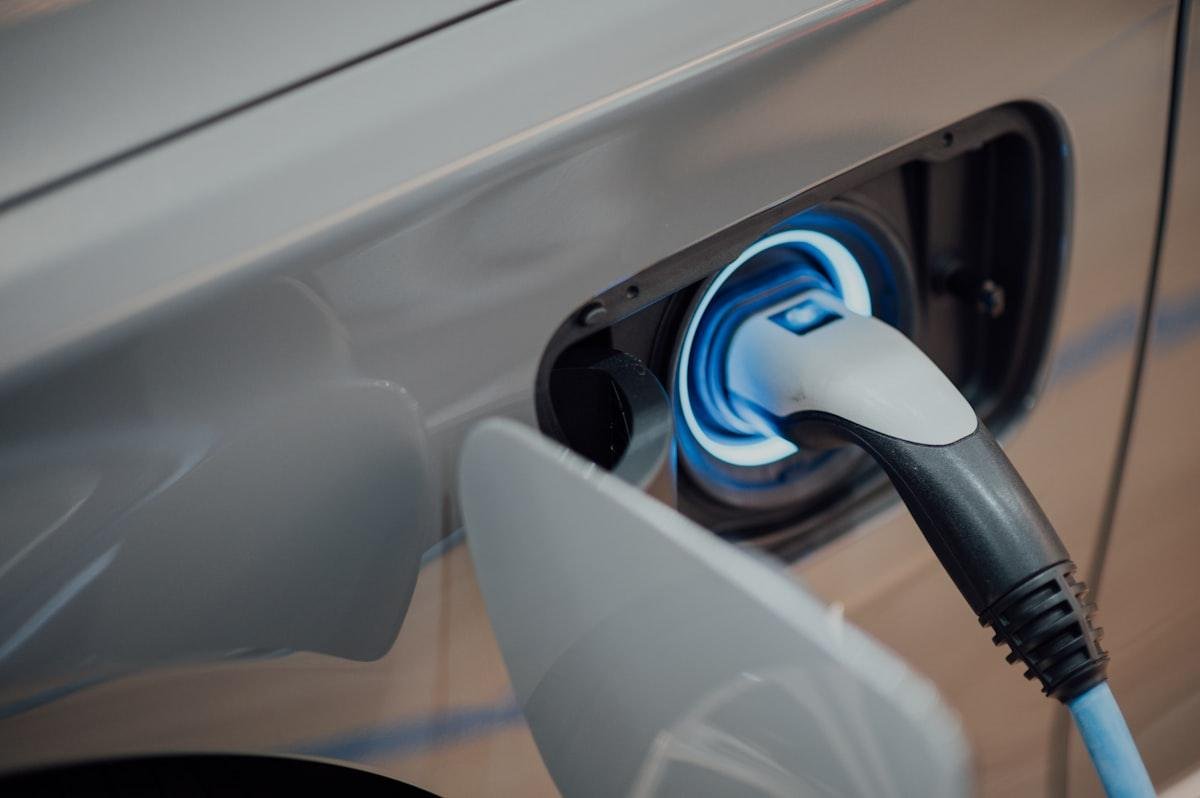
Maximize your savings with smart charging strategies
FAQ: Common Questions About the Cost to Charge EV at Home
Q: Is it cheaper to charge at home or at public charging stations?
A: Home charging is significantly cheaper. Public Level 2 chargers cost $0.20-$0.30 per kWh, while DC fast charging can cost $0.35-$0.60 per kWh. Your cost to charge ev at home is typically $0.12-$0.25 per kWh.
Q: How much does my electric bill go up with an EV?
A: For the average driver (12,000 miles/year), expect your electric bill to increase by $40-$70 per month, depending on your local rates and charging habits.
Q: Should I charge my EV every night?
A: Not necessarily. Most EV owners only need to charge 2-3 times per week for daily commuting. Charging to 80% for daily use helps preserve battery longevity.
Q: Can I charge my EV with solar panels?
A: Yes! Solar panels can offset or eliminate your charging costs. Many EV owners size their solar systems to cover both home and vehicle electricity needs.
Q: What’s the cheapest way to charge an EV?
A: The cheapest method is Level 2 home charging during off-peak hours on a Time-of-Use rate plan, potentially costing as little as $0.08-$0.10 per kWh.
Maximizing Value and Minimizing Your Cost to Charge EV at Home
Understanding the cost to charge ev at home is crucial for making the most of your electric vehicle investment. With average costs ranging from $0.04-$0.08 per mile—compared to $0.12-$0.15 per mile for gasoline vehicles—the savings are substantial and add up quickly.
By implementing the strategies outlined in this guide—switching to Time-of-Use rates, installing a smart Level 2 charger, and optimizing your charging schedule—you can minimize your charging costs while enjoying the convenience and environmental benefits of electric vehicle ownership.
Remember, every EV owner’s situation is unique. Take the time to calculate your specific costs based on your local electricity rates, driving habits, and vehicle efficiency. With the right approach, you can enjoy all the benefits of electric driving while keeping your cost to charge ev at home as low as possible.
Ready to make the switch or optimize your current setup? Start by contacting your utility company about Time-of-Use rates, and consider investing in a smart Level 2 charger to unlock maximum savings. Your wallet—and the environment—will thank you.
I write for EV Pulse Daily, covering electric vehicle news, clean energy developments, and emerging mobility technologies.My work focuses on industry trends, policy changes, and technological innovation shaping the future of electric transportation, with an emphasis on accuracy, clarity, and reliable sources.