One of the most common questions potential electric vehicle buyers ask is: How long do EV batteries actually last? With the rapid growth of the electric vehicle market, understanding ev battery life has become crucial for anyone considering the switch from traditional gasoline-powered cars. The good news? Modern electric car batteries are far more durable and long-lasting than many people realize. Understanding ev battery life helps potential buyers make informed decisions about their next vehicle purchase.
Understanding EV Battery Life Expectancy
When it comes to ev battery life, the numbers are genuinely impressive. Most modern electric vehicle manufacturers design their batteries to last between 8 to 15 years or approximately 100,000 to 300,000 miles before experiencing significant degradation. This puts EV batteries on par with or even exceeding the lifespan of traditional internal combustion engines.
The battery is the heart of any electric vehicle, and manufacturers have invested billions in research and development to ensure these power sources stand the test of time. According to the U.S. Environmental Protection Agency, concerns about EV battery reliability are largely unfounded. Battery technology has evolved dramatically over the past decade, with lithium-ion batteries now offering exceptional longevity and performance.
Real-World Data: How Long Do EV Batteries Actually Last?
Real-world studies have provided compelling evidence about ev battery life. Research analyzing thousands of electric vehicles has shown that most EV batteries retain 90% of their original capacity after 160,000 miles of driving. This remarkable durability means that for the average driver covering 12,000-15,000 miles annually, the battery could maintain excellent performance for well over a decade.
Tesla, one of the leading EV manufacturers, reports that their Model S and Model X vehicles lose only about 1% of battery capacity per year on average. This slow rate of degradation means that even after 10 years of ownership, drivers can expect their vehicles to retain approximately 90% of their original range. Similar data from Nissan, Chevrolet, and other manufacturers confirms these findings across different vehicle models and battery chemistries.
Factors That Affect EV Battery Life
Several key factors influence ev battery life, and understanding these can help you maximize your battery’s longevity:
1. Temperature Extremes
Batteries are sensitive to temperature. Extreme heat can accelerate chemical reactions that degrade battery components, while extreme cold can temporarily reduce range and charging efficiency. Most modern EVs include sophisticated thermal management systems to maintain optimal battery temperatures, protecting your investment regardless of climate. In hot climates, parking in shaded areas and pre-cooling the cabin while plugged in can significantly extend ev battery life.
2. Charging Habits
How and when you charge significantly impacts ev battery life. Here are some best practices:
- Avoid frequent fast charging: While convenient for road trips, constant DC fast charging can generate excess heat and stress battery cells. Use it when necessary, but rely on Level 2 charging for daily needs.
- Maintain optimal charge levels: Keeping your battery between 20% and 80% state of charge for daily driving reduces stress on the battery and promotes longer ev battery life.
- Avoid leaving battery at 0% or 100% for extended periods: These extreme states can accelerate degradation over time. If storing your vehicle, aim for a 50-60% charge level.
- Charge overnight at home: Level 2 home charging is gentler on batteries, more cost-effective, and convenient for daily use.
3. Driving Style and Patterns
Aggressive acceleration and high-speed driving drain batteries faster and can contribute to increased wear. Smooth, efficient driving not only extends your range per charge but also contributes to better long-term ev battery life. Using regenerative braking effectively can also reduce wear on mechanical components while capturing energy back into the battery.
Manufacturer Warranties: Confidence in Battery Longevity
Automakers stand behind their battery technology with comprehensive warranties that reflect confidence in ev battery life. Most manufacturers offer battery warranties covering:
- 8 years or 100,000 miles (federal minimum in the United States)
- 70% minimum capacity retention guarantee
- Some premium brands offer 10 years or 150,000 miles of coverage
These warranties provide peace of mind and demonstrate that manufacturers expect their batteries to perform reliably for many years and miles. The 70% capacity guarantee means that even at the end of the warranty period, your vehicle should still deliver acceptable range for daily driving needs.
What Happens When EV Batteries Reach End of Life?
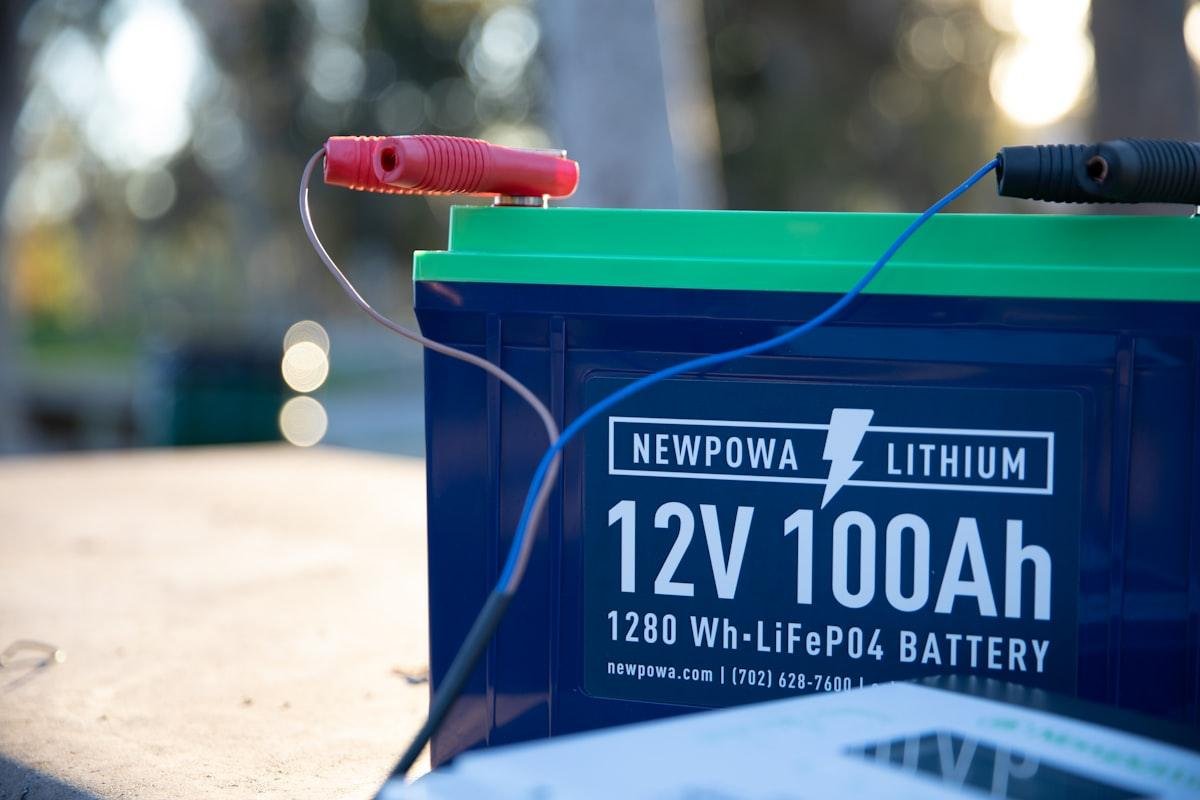
When an EV battery eventually reaches the end of its automotive life—typically defined as having 70-80% of original capacity—it’s far from useless. These batteries enter a “second life” phase where they can be repurposed for stationary energy storage applications like:
- Home battery backup systems
- Grid-scale energy storage facilities
- Commercial power management solutions
- Renewable energy storage for solar and wind installations
After their second life, battery materials are highly recyclable. Components like lithium, cobalt, and nickel can be recovered and used to manufacture new batteries, creating a sustainable circular economy for electric vehicle technology. Major manufacturers like Tesla, BMW, and Nissan have established recycling programs to ensure responsible end-of-life handling.
The Cost Perspective: Battery Replacement Reality
A common concern about ev battery life revolves around replacement costs. While battery replacement can be expensive—typically ranging from $5,000 to $20,000 depending on the vehicle—the reality is that most EV owners will never need to replace their battery during their ownership period. Industry data shows that less than 1% of EVs require battery replacement under warranty, and even out-of-warranty replacements are rare.
Furthermore, battery costs continue to decline rapidly. Industry analysts predict that by 2030, battery pack prices will drop by another 50-60%, making any potential future replacements far more affordable than today. The cost per kilowatt-hour has already fallen by nearly 90% over the past decade, and this trend is expected to continue as manufacturing scales up and technology improves.
Comparing EV Battery Life Across Manufacturers
When examining ev battery life across brands, different automakers use various battery chemistries and management systems that can affect ev battery life:
- Tesla: Uses NCA (Nickel Cobalt Aluminum) chemistry with advanced thermal management, reporting approximately 1% annual degradation.
- Chevrolet (GM): Employs NMC (Nickel Manganese Cobalt) batteries with active liquid cooling for consistent performance.
- Nissan: Early Leaf models used passive air cooling, but newer models feature liquid cooling for improved battery longevity.
- Hyundai/Kia: Use SK Innovation and CATL batteries with sophisticated battery management systems.
- Ford: Partnered with SK Innovation for their Mustang Mach-E and F-150 Lightning battery packs.
Despite these differences in ev battery life approaches, all major manufacturers design their batteries to last the vehicle’s lifetime, with most achieving 150,000 to 300,000 miles before significant degradation occurs.
Maximizing Your EV Battery Life: Expert Tips
To ensure you get the maximum ev battery life from your electric vehicle, follow these proven strategies:
- Use preconditioning features: Pre-heat or cool your cabin while plugged in to preserve battery energy for driving and reduce thermal stress.
- Store your vehicle properly: If parking for extended periods, maintain a 50-60% charge level and avoid extreme temperatures when possible.
- Enable scheduled charging: Set your vehicle to finish charging just before departure to avoid sitting at 100% charge for extended periods.
- Update software regularly: Manufacturers release over-the-air updates that optimize battery management and performance.
- Avoid extreme temperatures when possible: Park in shade during hot weather and use garages in extreme cold to protect your battery.
- Drive efficiently: Use Eco mode and regenerative braking to reduce battery strain and extend both range and battery life.
- Limit DC fast charging: Reserve fast charging for road trips and long-distance travel, not daily use.
- Monitor battery health: Use your vehicle’s built-in tools or third-party apps to track battery degradation over time.
The Future of EV Battery Technology
The future of ev battery life looks even brighter. Next-generation battery technologies promise significant improvements:
- Solid-state batteries: Offering potentially 2-3x the energy density and significantly longer lifespans, solid-state technology could revolutionize the industry.
- Lithium-metal batteries: Promising higher capacity with reduced degradation and improved safety profiles.
- Improved thermal management: Better cooling and heating systems to maintain optimal battery temperatures in all conditions.
- Advanced battery management systems: Smarter software to optimize charging and discharging patterns for maximum longevity.
- Cobalt-free chemistries: New formulations that reduce costs while maintaining or improving durability.
Conclusion: EV Battery Life Delivers Peace of Mind
When evaluating ev battery life, the evidence is clear: modern electric vehicle batteries are built to last. With proper care, you can expect your EV battery to provide reliable service for 8-15 years or more, retaining the vast majority of its original capacity throughout that time. Real-world data from millions of electric vehicles on the road confirms that battery degradation is much slower than many initially feared.
The combination of robust warranties, advancing technology, and proven real-world performance makes battery longevity one of the strongest arguments in favor of electric vehicle ownership. As battery technology continues to evolve, future EVs will only become more durable and reliable, making the switch to electric transportation an increasingly smart long-term investment.
Whether you’re considering your first electric vehicle or already enjoying the benefits of emission-free driving, understanding and optimizing ev battery life ensures you’ll enjoy your electric vehicle for many years to come. The age of electric mobility is here, and the batteries powering this revolution are ready to go the distance—providing clean, efficient transportation for hundreds of thousands of miles.