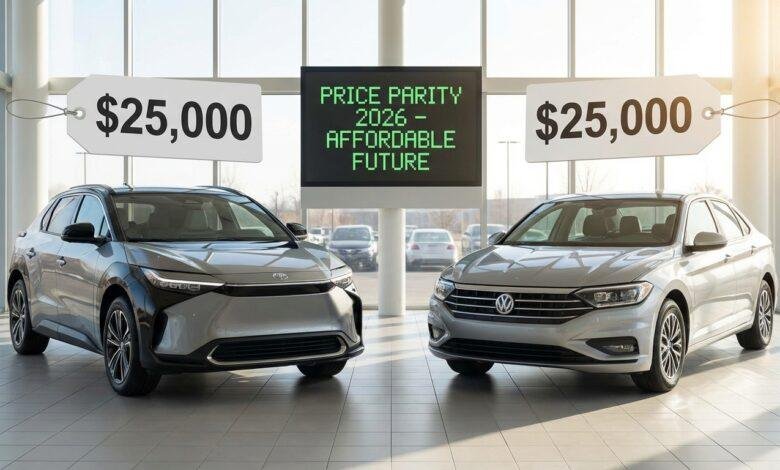
The Tipping Point: EV Price Parity 2026 Becomes Reality
The electric vehicle revolution has reached its most significant milestone yet. In 2026, EV price parity 2026 is no longer a future projection—it’s happening now. Electric cars have finally achieved cost equality with their gasoline counterparts, fundamentally reshaping the global automotive landscape. This seismic shift, driven by plummeting battery costs and aggressive manufacturing expansion, is transforming markets from Turkey to Thailand and beyond.
For over a decade, industry analysts predicted this moment. Now, walking into dealerships worldwide, consumers face a new reality: the electric option often costs the same—or less—than the internal combustion alternative. Understanding your first electric car purchase has never been more relevant as barriers continue to fall.
Battery Costs: The Game-Changer
The primary driver behind EV price parity 2026 is the dramatic reduction in lithium-ion battery costs. According to IEA’s Global EV Outlook 2026, average battery pack prices have fallen below $90 per kilowatt-hour, the widely accepted threshold for mass-market price parity. This represents a 40% decrease from just three years ago.
Several factors contributed to this breakthrough. Gigafactory expansion across Asia, Europe, and North America has created massive economies of scale. New cell chemistries, including lithium iron phosphate (LFP) and advanced nickel-manganese-cobalt (NMC) formulations, have reduced expensive material requirements while improving energy density.
Perhaps most significantly, solid-state batteries have begun limited production, promising even greater cost reductions and performance improvements in the coming years. While still emerging, these next-generation cells are already influencing pricing strategies as manufacturers anticipate further savings.
For consumers concerned about longevity, understanding EV battery life expectations helps contextualize the value proposition. Modern EV batteries are engineered to outlast the vehicles themselves, with many manufacturers offering 8-10 year warranties.
Turkey’s EV Manufacturing Renaissance
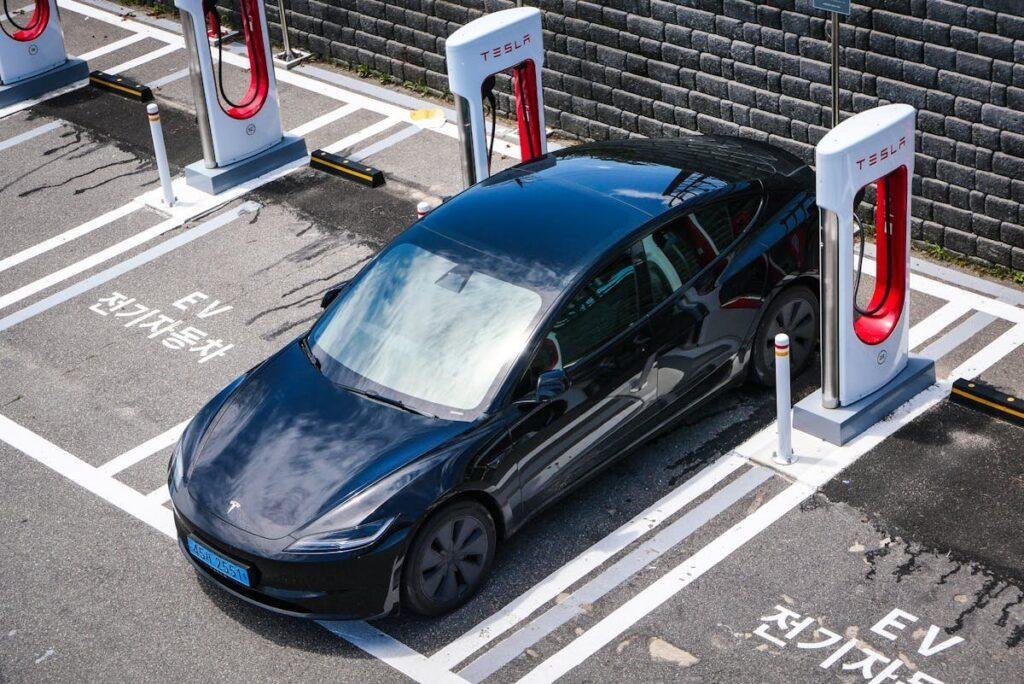
Turkey has emerged as an unexpected champion in the EV price parity 2026 narrative. Domestic manufacturer Togg has ramped up production at its Gemlik facility, producing the T10X SUV at prices competitive with European gasoline equivalents. The Turkish government’s aggressive incentive package, including VAT reductions and purchase subsidies, has accelerated adoption.
The country’s strategic position between European and Asian markets has attracted significant battery manufacturing investment. Chinese and South Korean suppliers have established production facilities near Istanbul and Izmir, reducing shipping costs and import tariffs that previously inflated EV prices.
Turkish consumers are responding enthusiastically. EV sales grew 180% year-over-year in late 2025, with the T10X capturing significant market share against established European brands. The success demonstrates how localized production can democratize electric mobility in emerging markets.
Thailand: Southeast Asia’s EV Hub
Thailand’s Board of Investment has orchestrated one of the most successful EV transition programs in Southeast Asia. Chinese manufacturers BYD, Great Wall Motor, and Neta have established regional headquarters and production facilities in the Eastern Economic Corridor, leveraging Thailand’s existing automotive infrastructure.
These manufacturers now produce EVs priced competitively with popular Japanese gasoline models like the Honda City and Toyota Yaris. The BYD Dolphin, manufactured locally at Rayong, retails for approximately 750,000 THB—matching the Honda Civic’s price point while offering lower operating costs.
The Thai government’s EV incentive package, including excise tax reductions from 8% to 2% and import duty exemptions for parts, has been instrumental. Charging infrastructure has expanded rapidly, with over 3,000 public stations now operational nationwide. For drivers navigating this network, finding charging stations has become increasingly convenient.
Thailand’s success has created a ripple effect across ASEAN markets. Indonesia, Malaysia, and Vietnam are now implementing similar incentive structures, recognizing that competitive pricing combined with adequate infrastructure drives adoption.
Global Market Dynamics
The achievement of EV price parity 2026 extends far beyond individual markets. Bloomberg’s automotive analysis confirms that mass-market EVs now match ICE equivalents across all major categories in most developed markets.
In the United States, the Hyundai Ioniq 5 and Tesla Model Y now compete directly with the Toyota RAV4 and Honda CR-V on sticker price before incentives. When factoring in the 2026 federal and state EV tax credits, electrics often undercut their gasoline rivals.
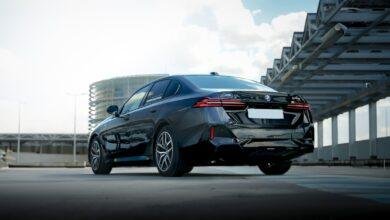
Europe presents a similar picture. The Volkswagen ID.3 matches the Golf’s pricing, while the Renault Megane E-Tech competes directly with the Clio. Even premium segments have reached parity, with the BMW iX3 Neue Klasse positioned against the X3.
China, the world’s largest EV market, has seen parity for years. BYD’s aggressive pricing strategy has forced domestic and international competitors to match costs, benefiting consumers globally as these manufacturers expand internationally.
The Economics of Ownership

Price parity on the sticker is only part of the story. Total cost of ownership (TCO) calculations overwhelmingly favor electric vehicles. Automotive World research indicates that EVs now offer 20-30% lower lifetime costs compared to equivalent gasoline vehicles.
Electricity costs significantly less than gasoline in most markets. Understanding home charging costs reveals typical savings of $800-1,200 annually for average drivers. Maintenance expenses drop dramatically without oil changes, transmission services, or exhaust system repairs.
Residual values have stabilized as consumer confidence grows. Early concerns about battery degradation have been dispelled by real-world data showing minimal capacity loss over hundreds of thousands of miles.
Competitive Landscape
The battle for market share has intensified dramatically. BYD versus Tesla competition has driven innovation and pricing pressure, benefiting consumers across all segments. Traditional automakers have responded with competitive offerings like the Ford F-150 Lightning and Rivian R2.
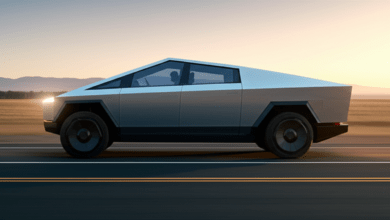
New entrants continue disrupting established patterns. Sony and Honda’s AFEELA 1 partnership demonstrates how technology companies are reshaping automotive value propositions. Meanwhile, Tesla’s Cybertruck production has normalized electric pickups in North America.
Premium performance EVs like the Lucid Air Sapphire prove that electric powertrains can exceed traditional supercar capabilities at competitive price points. Even charging technology advances, with Porsche’s wireless charging systems eliminating cable inconvenience.
Frequently Asked Questions
What does EV price parity 2026 mean for buyers?
EV price parity 2026 means electric vehicles now cost the same as comparable gasoline cars at the point of purchase, removing the primary barrier to adoption. Combined with lower operating costs, EVs now represent better value for most consumers.
Which markets have achieved price parity fastest?
China achieved parity first due to massive domestic manufacturing. Europe and North America reached parity in late 2025, while emerging markets like Turkey and Thailand achieved it through localized production in early 2026.
Does price parity include trucks and SUVs?
Yes, compact and mid-size SUVs have reached parity in most markets. Full-size trucks are approaching parity, with models like the Ford F-150 Lightning matching traditional F-150 pricing in many configurations.
Will EV prices continue falling?
Industry analysts predict gradual decreases continuing through 2028 as battery technology advances and manufacturing scales further. However, material costs and supply chain factors may moderate this trend.
How does charging infrastructure affect the value equation?
Expanding charging networks have eliminated range anxiety for most drivers. Comprehensive charging guides help new owners navigate the transition seamlessly.
Key Takeaways: What EV Price Parity 2026 Means
The achievement of cost equality between electric and gasoline vehicles represents more than a pricing milestone—it signals the definitive transition to sustainable transportation. EV price parity 2026 removes the last significant barrier preventing mainstream adoption.
For consumers, this means the best electric cars of 2026 are now accessible without paying a premium. Whether in Istanbul or Bangkok, buyers can choose electric without compromising their budgets. The economic argument for EVs has become undeniable.
For the industry, parity intensifies competition and accelerates innovation. Manufacturers must now compete on features, quality, and design rather than using price as an excuse for limited electric offerings. This benefits everyone.
For the planet, parity ensures faster decarbonization of transportation. As policy frameworks evolve, market forces rather than subsidies will drive adoption, creating sustainable momentum for the transition.
The electric vehicle revolution has reached cruising speed. EV price parity 2026 isn’t just a headline—it’s the new normal.