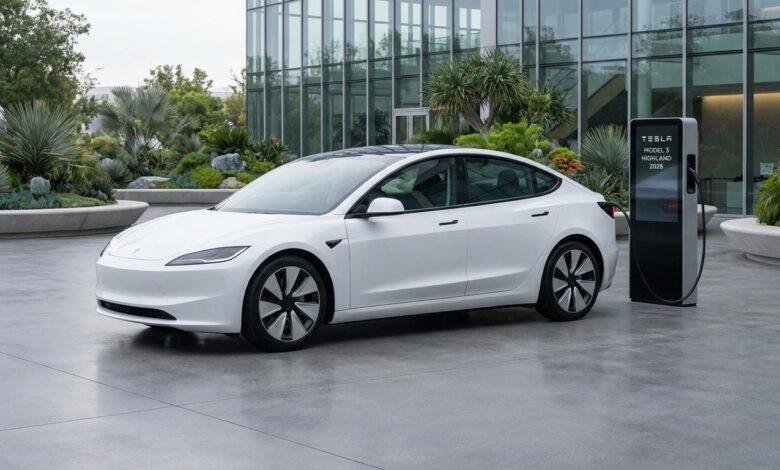
The Tesla Model 3 Highland 2026 represents one of the most anticipated updates in the electric vehicle industry, combining refined aesthetics with cutting-edge technology that promises to reshape the compact luxury EV segment. As Tesla continues to dominate the best electric cars of 2026 rankings, this latest iteration of their best-selling sedan introduces meaningful improvements that address both driver feedback and emerging market demands.
What’s New in the Tesla Model 3 Highland 2026?
Tesla’s Highland refresh, initially launched in late 2023, has evolved significantly for the 2026 model year. The most striking changes begin with the exterior redesign—a sleeker, more aerodynamic front fascia that eliminates traditional fog lights in favor of a cleaner, more minimalist approach. The revised LED headlights now feature adaptive matrix technology, providing superior illumination while reducing energy consumption.
The 2026 Highland maintains Tesla’s commitment to efficiency, boasting a drag coefficient of just 0.219 Cd, making it one of the most aerodynamic production vehicles ever created. This focus on efficiency directly translates to improved range figures, with the Long Range variant now capable of traveling up to 390 miles on a single charge under ideal conditions.
Interior refinements represent perhaps the most significant departure from earlier Model 3 iterations. The cabin features enhanced sound insulation, utilizing acoustic glass throughout and additional noise-dampening materials that reduce road noise by up to 30% compared to previous models. For those considering their first electric car, the Highland’s serene cabin environment makes for an exceptionally welcoming introduction to EV ownership.
Performance and Range Capabilities
The Tesla Model 3 Highland 2026 offers three distinct powertrain configurations, each tailored to different driving preferences and budgets. The Rear-Wheel Drive base model delivers 258 horsepower and 310 lb-ft of torque, achieving 0-60 mph in 5.8 seconds—more than adequate for daily commuting and highway merging.
Stepping up to the Long Range variant unlocks dual-motor all-wheel drive, producing 394 combined horsepower and a blistering 4.2-second 0-60 mph sprint. This configuration represents the sweet spot for most buyers, offering exceptional performance without the premium pricing of the Performance trim.
For driving enthusiasts, the Performance variant remains the ultimate expression of Tesla’s engineering prowess. With 510 horsepower and launch control activated, the 2026 Model 3 Performance Highland rockets from 0-60 mph in just 2.9 seconds—supercar territory by any metric. The upgraded carbon-ceramic brakes and track-tuned suspension ensure this straight-line dominance translates to genuine cornering capability.
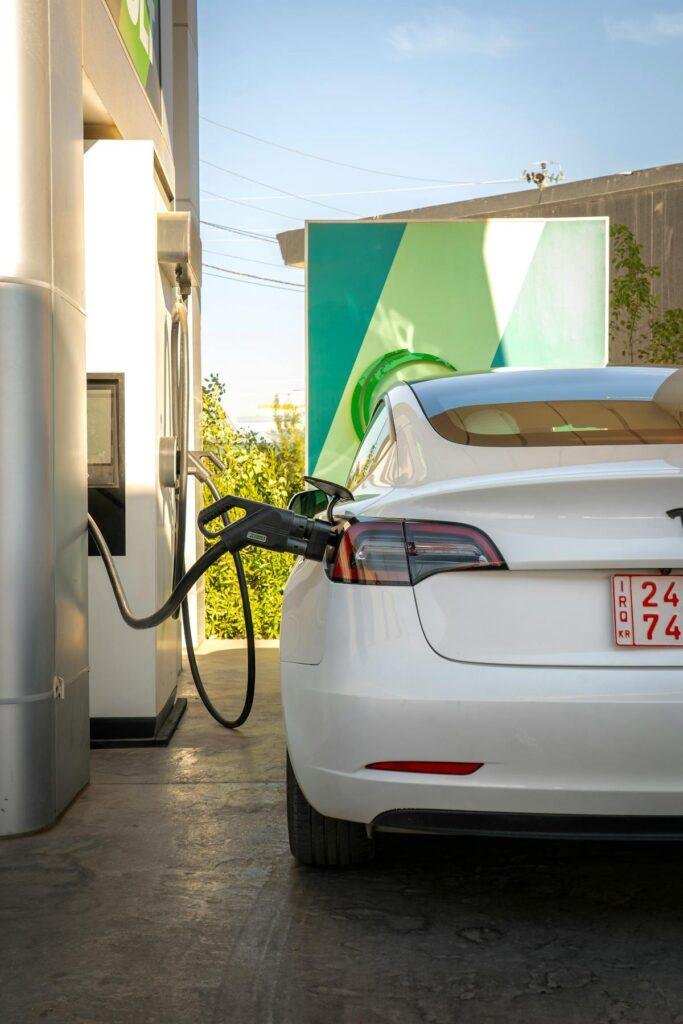
Battery technology has seen incremental improvements for 2026, with Tesla’s latest 2170 cell chemistry delivering better thermal management and faster charging speeds. When connected to a V4 Supercharger, the Highland can add up to 175 miles of range in just 15 minutes. Understanding electric car charging options is essential for maximizing the ownership experience.
Technology and Autopilot Features
The centerpiece of the Model 3 Highland’s interior remains the 15.4-inch touchscreen display, though 2026 models benefit from improved processing power and a more intuitive interface. The updated AMD Ryzen-based infotainment system responds instantly to inputs, while the redesigned menus reduce the learning curve for new Tesla owners.
Tesla’s Autopilot suite comes standard on all Highland models, featuring adaptive cruise control, lane-keeping assistance, and automatic emergency braking. The optional Full Self-Driving (FSD) package adds Navigate on Autopilot, Auto Lane Change, and Summon functionality. While full autonomy remains on the horizon, the 2026 hardware suite—including the upgraded camera array and enhanced ultrasonic sensors—positions the Highland for future software improvements.
The physical control scheme has been refined based on customer feedback. While the turn signal stalk remains absent (replaced by steering wheel-mounted capacitive buttons), the implementation has improved through software updates that increase button responsiveness and haptic feedback precision.
When comparing Tesla’s approach to driver assistance with competitors, the BYD vs Tesla comparison reveals different philosophies regarding the balance between automation and driver engagement.
Ownership Costs and Efficiency
Understanding the true cost of EV ownership requires looking beyond the purchase price. The Tesla Model 3 Highland 2026 excels in operational efficiency, with EPA ratings of 132 MPGe city and 142 MPGe highway for the RWD variant. These figures translate to real-world electricity costs significantly below traditional gasoline equivalents.
For prospective owners calculating long-term expenses, our cost to charge EV at home guide provides detailed breakdowns based on regional electricity rates. On average, Highland owners spend 60-70% less on “fuel” compared to equivalent luxury sedans, with annual savings typically exceeding $1,200 for average American drivers.
Maintenance requirements remain minimal, with no oil changes, spark plugs, or transmission services needed. Tesla recommends annual inspections primarily focused on brake fluid, cabin air filters, and tire rotation. The regenerative braking system significantly reduces wear on brake components, often extending pad life beyond 100,000 miles.
Battery longevity concerns prospective EV buyers, but Tesla’s track record provides confidence. The latest Highland models include an 8-year/120,000-mile battery warranty, with data suggesting most batteries retain over 90% capacity after 200,000 miles. Our comprehensive EV battery life analysis explores degradation patterns across different manufacturers and climates.
Market Position and Competition
The Tesla Model 3 Highland 2026 enters an increasingly competitive segment. While Tesla maintains market leadership in the premium EV space, rivals have significantly closed the gap. The BMW iX3 Neue Klasse offers compelling German engineering with 800V charging architecture, while the Rivian R2 targets adventure-oriented buyers with genuine off-road capability.
Price positioning remains a Tesla strength. The 2026 Highland RWD starts at $38,990 before incentives, undercutting most European luxury competitors while offering superior technology and charging infrastructure access. The Long Range variant at $45,990 represents exceptional value considering its 390-mile range and all-wheel-drive capability.
Federal tax incentives continue to benefit Tesla buyers, with the full $7,500 credit available on qualifying Highland purchases. State and local incentives can reduce effective purchase prices further, making the Model 3 competitive with mass-market gasoline sedans. Our EV tax credits 2026 guide provides state-by-state breakdowns of available incentives.
The charging infrastructure advantage remains decisive for many buyers. Tesla’s Supercharger network—now opening to other manufacturers—provides unmatched convenience for road trips and daily charging needs. Finding EV charging stations is rarely a concern for Tesla owners, with over 55,000 Superchargers globally and expanding daily.
Frequently Asked Questions
What is the range of the Tesla Model 3 Highland 2026?
The Tesla Model 3 Highland 2026 offers three range options: the Rear-Wheel Drive variant achieves 363 miles EPA-rated range, the Long Range model delivers 390 miles, and the Performance variant provides 325 miles per charge.
How fast does the 2026 Highland charge?
At Tesla V4 Superchargers, the Highland can charge at up to 250 kW, adding approximately 175 miles of range in 15 minutes. Home charging via a Wall Connector provides up to 44 miles of range per hour with a 240V connection.
Is Full Self-Driving available on the Highland?
Yes, Tesla offers the Full Self-Driving (FSD) package as a $12,000 option or subscription. While not yet capable of fully autonomous operation, FSD includes advanced features like Navigate on Autopilot, Auto Lane Change, and Smart Summon.
How does the Highland compare to the Model Y?
The Highland sedan offers superior aerodynamics and range compared to the Model Y crossover, while the Model Y provides additional cargo space and optional third-row seating. Both share identical powertrain options and technology suites. See our detailed Tesla Model Y review for a complete comparison.
What warranty coverage does Tesla provide?
Tesla offers a 4-year/50,000-mile basic vehicle warranty and an 8-year/120,000-mile battery and drive unit warranty on the Highland. The battery warranty guarantees 70% retention of original capacity over the coverage period.
Final Verdict
The Tesla Model 3 Highland 2026 successfully addresses the few weaknesses of its predecessor while amplifying its considerable strengths. The refined exterior design, quieter cabin, and improved efficiency make it a compelling choice for both EV converts and existing Tesla owners considering an upgrade.
While competition intensifies from established automakers and ambitious startups, Tesla’s combination of technology leadership, charging infrastructure dominance, and competitive pricing maintains the Highland’s position as the benchmark compact luxury EV. For buyers prioritizing range, technology, and value, the 2026 Model 3 Highland remains the definitive choice in its segment.
References:
- Tesla Official Model 3 Page
- EPA Fuel Economy Ratings
- NHTSA Safety Ratings