The charging wars are officially over—and Tesla won. In a seismic shift that has reshaped the North American electric vehicle landscape, the NACS charging standard (North American Charging Standard) has emerged as the undisputed connector of choice for virtually every major automaker. What started as Tesla’s proprietary plug has evolved into the industry standard that will define how millions of EV owners charge their vehicles throughout 2026 and beyond.
If you own an electric vehicle or are considering purchasing one, understanding the NACS charging standard isn’t just helpful—it’s essential. This comprehensive guide breaks down everything you need to know about the connector that’s unifying America’s fractured charging infrastructure and eliminating one of the biggest headaches EV owners have faced for years.
What Is the NACS Charging Standard?
The NACS charging standard represents Tesla’s charging connector design, which the company opened to other manufacturers in late 2022. Unlike the bulky CCS (Combined Charging System) connectors that dominated early EV adoption, NACS features a sleeker, more compact design that handles both AC (Level 1/2) and DC fast charging through a single, elegant port.
Technically, NACS offers several advantages over competing standards:
- Smaller, lighter connector: Easier to handle, especially in tight spaces or adverse weather
- Higher power capacity: Supports charging speeds up to 500kW—future-proofing for next-generation EVs
- Universal compatibility: One connector handles home charging, destination charging, and ultra-fast DC charging
- Proven reliability: Over a decade of real-world testing across Tesla’s massive Supercharger network
NACS vs CCS: A Head-to-Head Comparison
For EV owners trying to understand the differences between these competing standards, here’s what matters:
Design and Usability
The CCS connector requires two separate ports—one for AC charging and a larger combined port for DC fast charging. The NACS charging standard consolidates everything into one compact, lightweight connector that’s roughly half the size. For anyone who’s wrestled with a heavy, awkward CCS cable in freezing rain, this difference alone justifies the switch.
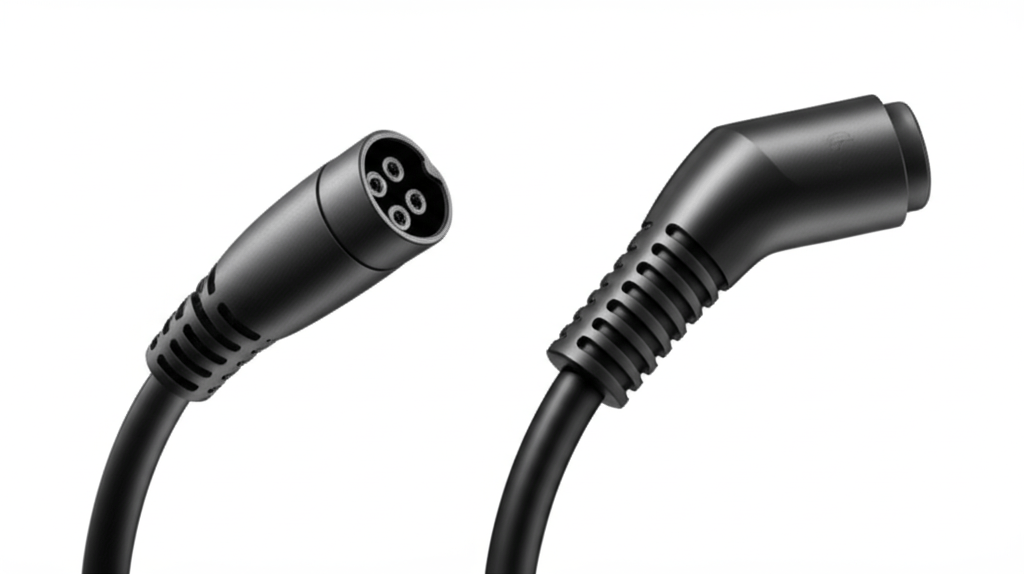
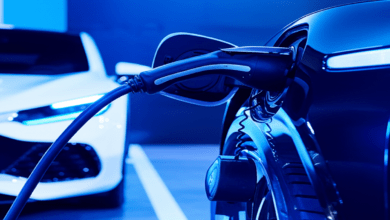
The visual comparison above demonstrates why the NACS charging standard has gained such rapid industry acceptance. Its compact form factor makes it easier to handle in all weather conditions while maintaining superior power delivery capabilities.
Charging Speed Capabilities
While both standards currently support similar real-world charging speeds (150-350kW), the NACS charging standard is designed to handle up to 500kW—critical as solid-state battery technology and 800V architectures become mainstream. CCS has theoretical limits that may bottleneck next-generation charging speeds.
Network Reliability
According to J.D. Power’s 2024 EV Charging Study, Tesla’s Supercharger network achieves a 99%+ uptime rate—significantly higher than competing CCS networks. For EV owners, this means fewer broken chargers, less range anxiety, and more confidence in long-distance travel.
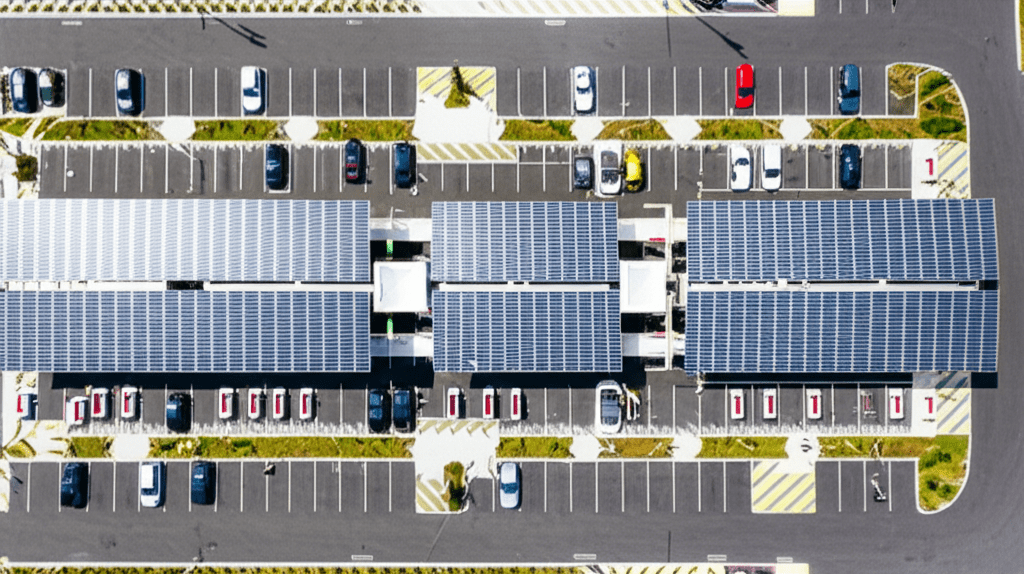
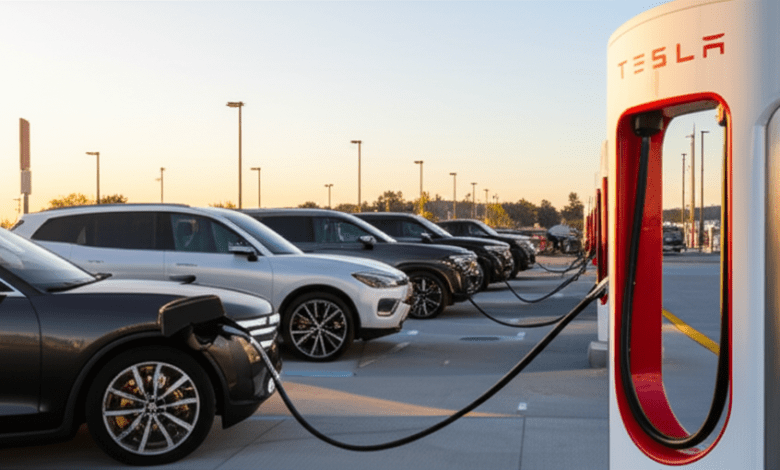
The extensive Tesla Supercharger network, now accessible to vehicles with the NACS charging standard, represents the most reliable fast-charging infrastructure in North America. This network advantage played a crucial role in driving industry-wide adoption.
Why Major Automakers Are Abandoning CCS for NACS
The domino effect began in May 2023 when Ford announced it would adopt the NACS charging standard—a move that shocked the industry. General Motors followed weeks later, and soon virtually every major automaker had committed to the transition:
- Ford (2024-2025 transition)
- General Motors (2025)
- Mercedes-Benz (2024)
- BMW, Mini, Rolls-Royce (2025)
- Honda and Acura (2025-2026)
- Hyundai and Kia (2024-2025)
- Toyota (2025)
- Volkswagen, Audi, Porsche (2025)
- Rivian (2024)
- Volvo and Polestar (2024)
But why the mass migration? The answer lies in Tesla’s Supercharger network—the most reliable, extensive, and well-maintained fast-charging infrastructure in North America. By adopting the NACS charging standard, these automakers gained immediate access to over 25,000+ Supercharger stalls, effectively solving the charging accessibility problem that had plagued their customers for years.
How the NACS Charging Standard Affects Current EV Owners
If you already own an electric vehicle, the transition to the NACS charging standard impacts you differently depending on when you purchased:
For Tesla Owners: Seamless Expansion
Tesla owners benefit immediately as other networks begin installing NACS connectors. While Superchargers remain the gold standard, having additional NACS-compatible charging options increases flexibility and reduces congestion during peak travel times. Learn more about Tesla’s latest updates in our Tesla Model 3 Highland 2026 review.
For CCS Vehicle Owners: Adapter Solutions
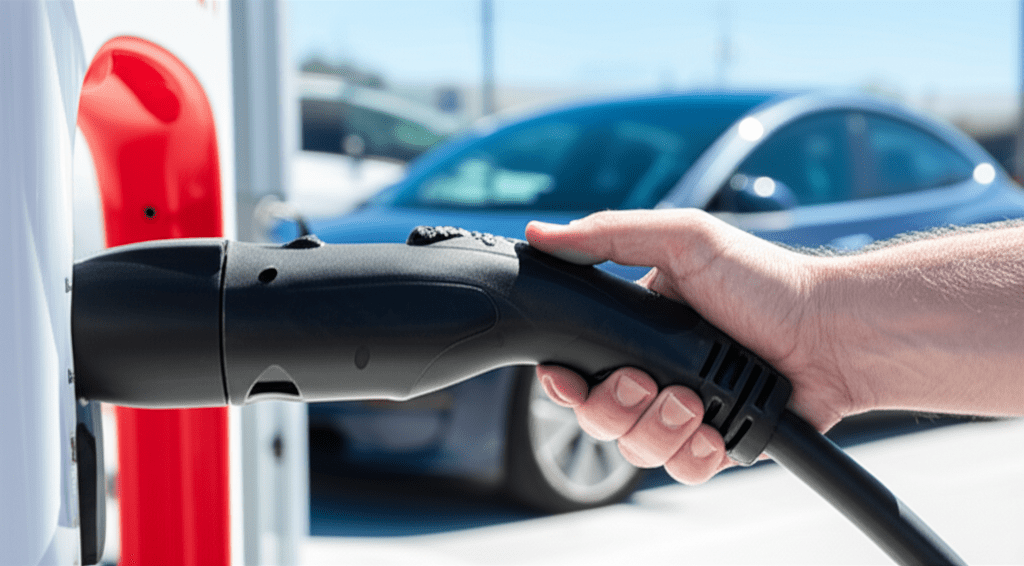
If your vehicle uses CCS charging, you won’t be left behind. Most automakers are providing free or subsidized NACS adapters to existing owners, allowing CCS-equipped EVs to access Tesla’s Supercharger network. While not as elegant as native NACS, these adapters unlock the most reliable fast-charging network in North America.
Additionally, CCS charging infrastructure isn’t disappearing overnight. Electrify America, EVgo, ChargePoint, and other networks continue expanding CCS availability while gradually adding NACS connectors. Your charging options are expanding, not contracting. Check out our guide on finding EV charging stations near you for the latest network updates.
For Future EV Buyers: Native NACS
All major EVs launched from 2025 onward feature native NACS charging standard ports. This eliminates adapter hassles and provides the most streamlined charging experience possible—one connector, every network, maximum flexibility. If you’re considering your first EV, read our complete guide to choosing your first electric car.
The Road Ahead: What to Expect in 2026
The NACS charging standard transition accelerates throughout 2026. Here’s what EV owners can expect:
- Supercharger network expansion: Tesla continues aggressively expanding, with many new stations featuring dual connectors
- Dual-standard stations: Most new charging installations will offer both NACS and CCS connectors during the transition period
- Competitive pricing: As networks compete for NACS-equipped vehicles, charging costs may stabilize or decrease
- Improved reliability: The industry consolidation around one standard should accelerate innovation and maintenance practices
Another exciting development is wireless EV charging technology, which could eventually complement the NACS standard for home charging. For EV owners planning long-distance travel, the NACS charging standard simplifies route planning. Instead of juggling multiple charging network apps and memberships, a single Tesla app—or your vehicle’s native navigation—provides access to the most comprehensive and reliable charging network available.
Practical Tips for Navigating the NACS Transition
Whether you’re a current EV owner or prospective buyer, these strategies will help you maximize the benefits of the NACS charging standard transition:
1. Claim your free adapter: If you own a CCS-equipped EV from an automaker transitioning to NACS, check manufacturer communications for adapter programs. Ford, GM, Rivian, and others have announced free or heavily discounted adapters for existing owners.
2. Download the Tesla app: Even if you don’t own a Tesla, the Tesla app provides the most reliable interface for accessing Superchargers with your NACS adapter or native NACS vehicle.
3. Plan around peak times: As non-Tesla vehicles gain Supercharger access, popular stations may see increased congestion. Use the app’s real-time availability data to avoid wait times.
4. Understand home charging: While the NACS charging standard dominates public fast charging, most EV owners still charge primarily at home. If you’re upgrading your home charging setup, consider whether future vehicles in your household will use NACS. Calculate your cost to charge an EV at home to see how much you could save.
NACS and the Future of EV Technology
The standardization around NACS comes at a pivotal moment for electric vehicles. As EV price parity becomes reality in 2026, the charging experience becomes a crucial differentiator for mainstream adoption. The NACS standard removes one of the biggest friction points—charging anxiety—and replaces it with confidence.
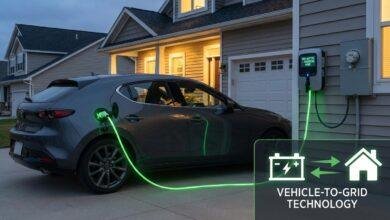
Vehicle-to-Grid (V2G) technology is another frontier where NACS will play a critical role. As outlined in our V2G Technology 2026 guide, bidirectional charging allows EVs to power homes and feed energy back to the grid. The NACS connector’s higher power capacity makes it ideally suited for these next-generation applications.
The Bottom Line: A Unified Future
The NACS charging standard represents more than just a connector—it’s the foundation for a unified, accessible, and reliable EV charging infrastructure that North America desperately needed. By consolidating around one proven standard, the industry is eliminating confusion, reducing infrastructure costs, and accelerating EV adoption for mainstream consumers.
For current EV owners, the transition brings expanded charging options and improved network reliability. For future buyers, it promises a simplified ownership experience free from connector confusion and adapter hassles. The charging wars are ending, and EV owners are the clear winners.
Ready to explore more EV options? Check out our rankings of the best electric cars of 2026 to find your perfect match. Curious about battery longevity? Read our analysis of how long EV batteries really last.
Are you excited about the NACS charging standard, or do you have concerns about the transition away from CCS? Share your thoughts and experiences in the comments below—we’d love to hear how this shift is affecting your EV ownership journey!