
Buying an electric vehicle is a major investment—and the battery is the heart of that investment. Understanding your EV battery warranty isn’t just about reading the fine print; it’s about protecting yourself from potentially catastrophic repair costs that could reach $15,000 or more. As electric vehicle sales surge in 2026, knowing exactly what your warranty covers (and what it doesn’t) has never been more critical.
If you’re shopping for a new electric car or already own one, this comprehensive guide breaks down everything you need to know about EV battery warranty coverage in 2026. We’ll explore what’s actually covered, which automakers offer the best protection, and the critical details most buyers overlook until it’s too late.
What Does an EV Battery Warranty Actually Cover?
When you hear “8-year, 100,000-mile battery warranty,” it’s easy to assume you’re fully protected. The reality is far more nuanced. Most EV battery warranty coverage focuses specifically on capacity degradation—and even then, only when it falls below a specific threshold.
Here’s what standard warranties typically include:
- Capacity retention guarantee: Most manufacturers promise your battery will retain 70% of its original capacity during the warranty period
- Manufacturing defects: Faulty cells, wiring issues, or battery management system failures
- Premature degradation: Unusual capacity loss beyond normal wear
- Component failures: Cooling system malfunctions affecting battery performance
However, normal degradation isn’t covered. If your battery loses 15% capacity over 5 years, that’s considered normal wear—and you’ll pay out of pocket for any replacement, even if you’re within the warranty period.
Which Automakers Offer the Best EV Battery Warranty?
Not all EV battery warranty coverage is created equal. While the industry standard hovers around 8 years and 100,000 miles, some manufacturers go significantly further to win customer confidence.
Tesla: The Benchmark Setter
Tesla’s EV battery warranty varies by model. The Model S and Model X receive 8 years or 150,000 miles with a 70% capacity guarantee. The Model 3 and Model Y Long Range versions get the same 8-year coverage but with 120,000-mile limits. Standard Range Model 3 variants receive 8 years or 100,000 miles.
What sets Tesla apart is their battery management software. Over-the-air updates continuously optimize battery performance, potentially extending lifespan beyond competitors. However, Tesla’s warranty specifically excludes damage from third-party charging stations—a critical detail for road-trip enthusiasts.
Hyundai and Kia: Leading the Pack
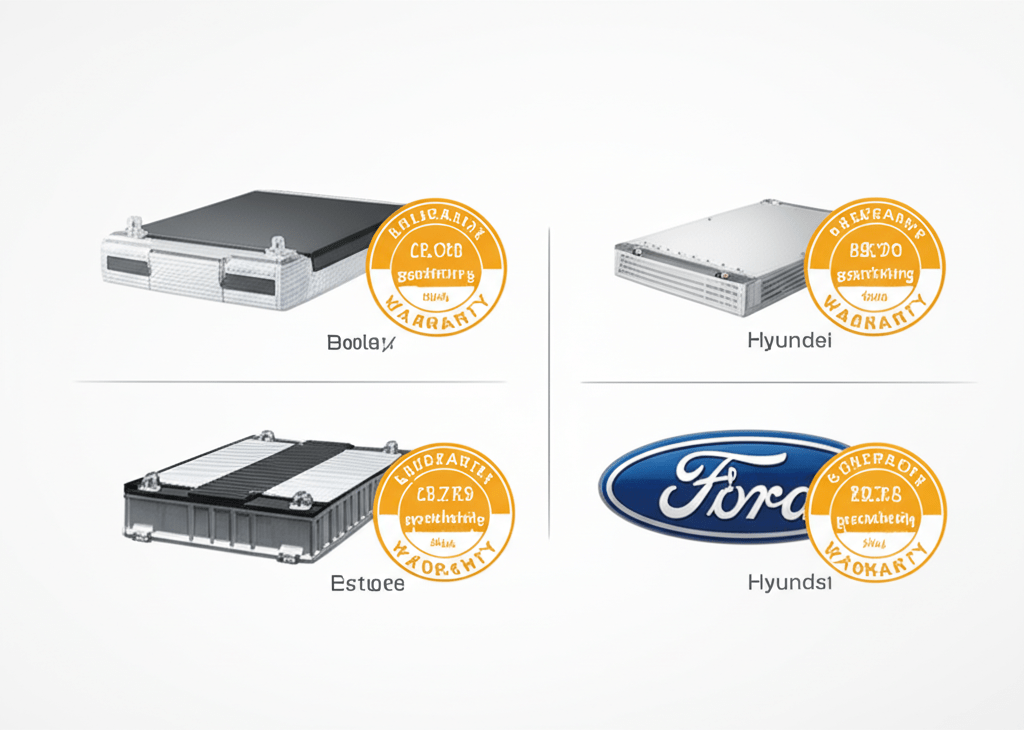
Hyundai and Kia have emerged as warranty champions, offering 10-year, 100,000-mile EV battery warranty coverage across their entire electric lineup. This includes the popular IONIQ 5, IONIQ 6, EV6, and the upcoming EV9. Their confidence stems from advanced battery thermal management systems that significantly reduce degradation.
Importantly, Hyundai and Kia don’t prorate their warranties. If your battery fails completely in year 9, you get a full replacement—not a partial credit based on remaining mileage. This approach demonstrates genuine confidence in their battery technology.
Ford and General Motors: Standard Coverage
Ford’s Mustang Mach-E and F-150 Lightning come with 8-year, 100,000-mile battery warranties with 70% capacity retention. General Motors matches this with their Ultium platform vehicles, including the Chevrolet Equinox EV and Blazer EV.
Both manufacturers recently enhanced their warranties following early concerns about battery performance in extreme weather. The updated EV battery warranty terms now explicitly cover thermal management system failures that were previously excluded.
Luxury Brands: BMW and Mercedes
BMW offers 8 years or 100,000 miles across their electric lineup, including the i4, i5, and iX. Mercedes-Benz matches this for their EQS and EQE models. Both brands emphasize premium battery management systems that monitor individual cell performance, potentially catching issues before they become warranty claims.
What Voids Your EV Battery Warranty?
This is where many EV owners get unpleasant surprises. Your EV battery warranty can be voided by actions you might not realize are problematic:
- Unauthorized modifications: Installing aftermarket battery management systems or performance chips
- Improper charging habits: Consistently charging to 100% and discharging to 0% (despite what you might expect)
- Accident damage: Even minor collisions that affect the battery housing
- Environmental exposure: Flooding, salt water exposure, or extreme temperature storage
- Third-party service: Having non-certified technicians work on battery systems
Perhaps most surprisingly, some manufacturers void warranties if you frequently use DC fast charging. While convenient for road trips, excessive fast charging can accelerate battery degradation—and manufacturers are increasingly tracking charging patterns through telematics data.
The Hidden Cost of Battery Replacement
Understanding real-world replacement costs puts your EV battery warranty in perspective. Current market rates for battery replacements (outside warranty) are staggering:
- Tesla Model 3: $13,000–$15,000
- Chevrolet Bolt: $16,000–$18,000
- Nissan Leaf: $8,000–$10,000 (smaller battery)
- Ford Mustang Mach-E: $18,000–$20,000
- Luxury EVs (BMW, Mercedes): $20,000–$30,000+
These costs explain why warranty coverage is arguably the most important factor in EV ownership. A single battery replacement outside warranty can exceed the vehicle’s resale value, effectively totaling the car.
How to Maximize Your Battery Life (and Warranty Protection)
While you can’t stop battery degradation entirely, you can significantly slow it down—and ensure you remain eligible for warranty coverage if problems arise:
Optimal Charging Practices
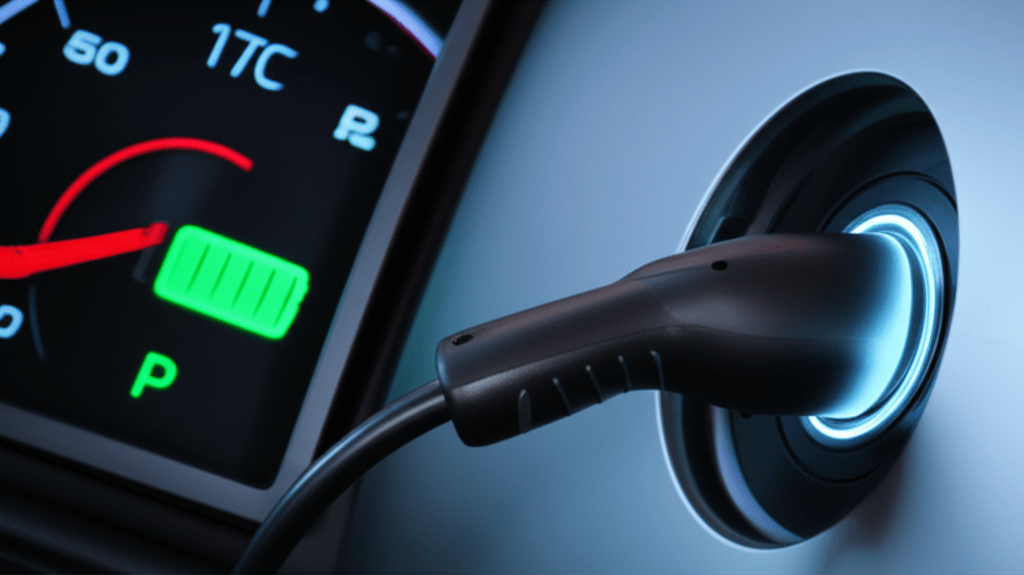
Most manufacturers recommend keeping your battery between 20% and 80% charge for daily use. This simple habit can extend battery life by 30% or more compared to consistently charging to 100%. For road trips, charging to 100% is fine—but don’t leave the vehicle fully charged for extended periods.
Tesla’s owner manual specifically recommends setting daily charge limits to 80-90% unless preparing for long trips. Other manufacturers offer similar guidance in their documentation—guidance that also protects your EV battery warranty eligibility.
Temperature Management
Extreme temperatures are batteries’ worst enemy. If you live in hot climates, park in shade or garages when possible. In cold climates, precondition your battery while plugged in before driving. Most modern EVs have thermal management systems, but they work best when the vehicle is connected to power.
Documentation Best Practices
Protect your warranty rights by maintaining detailed records:
- Service records: Only use manufacturer-certified service centers for battery-related work
- Charging logs: Some manufacturers request charging history for warranty claims
- Software updates: Keep your vehicle’s software current—missed updates can void warranty
- Incident reports: Document any accidents, even minor ones, that might affect the battery
What to Do If You Need a Warranty Claim
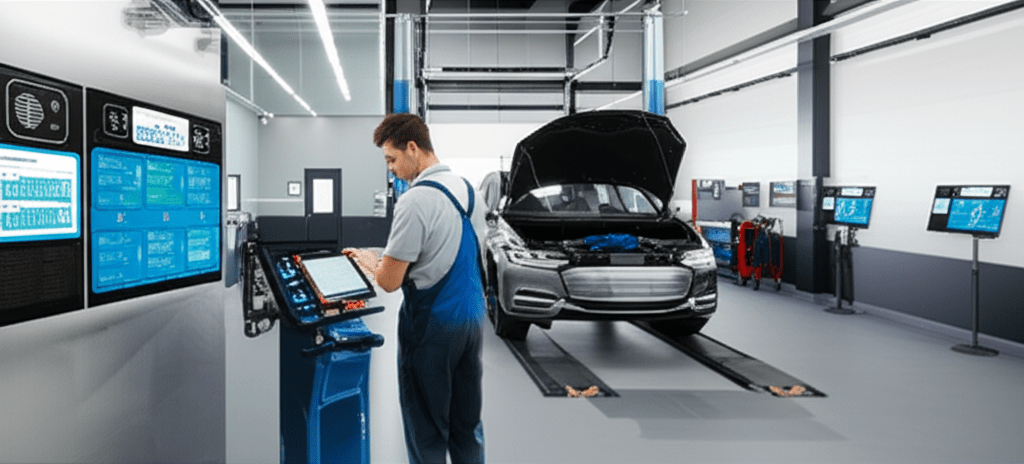
If you suspect your battery has degraded beyond acceptable limits, the warranty claim process requires preparation:
Step 1: Document current range. Track your vehicle’s actual range compared to EPA ratings. A 30% reduction typically triggers warranty consideration.
Step 2: Schedule diagnostic testing. Only manufacturer-certified technicians can officially measure battery capacity. Independent shops cannot provide warranty-accepted documentation.
Step 3: Review warranty terms. Know your specific coverage before meeting with service advisors. Some warranties prorate based on mileage, while others offer full replacement.
Step 4: Escalate if denied. Warranty claim denials aren’t final. Contact manufacturer customer service and provide documentation of proper vehicle care.
The Future of EV Battery Warranties
As battery technology evolves, so do warranty structures. Several trends are emerging in 2026:
- Mileage-based coverage: Some manufacturers are shifting from time-based warranties to unlimited-mileage coverage for commercial vehicles
- Performance guarantees: Beyond capacity, some warranties now guarantee charging speed retention
- Second-life provisions: Manufacturers are beginning to offer battery repurposing options when capacity falls below automotive standards but remains viable for stationary storage
- Transferability improvements: Warranties are becoming more easily transferable to second owners, improving resale values
Key Takeaways: Protecting Your Investment
Your EV battery warranty is more than just a piece of paper—it’s financial protection against the most expensive component failure in electric vehicle ownership. The difference between a 70% capacity guarantee and comprehensive defect coverage can mean thousands of dollars when problems arise.
Before purchasing any electric vehicle, demand clear written documentation of warranty terms. Don’t rely on sales pitches or general statements. Know exactly what’s covered, what voids coverage, and the real-world replacement costs you might face.
For current EV owners, proper charging habits and meticulous maintenance records aren’t just good practices—they’re essential for preserving your warranty rights. The few minutes spent understanding your coverage today could save you $15,000 or more tomorrow.
Ready to dive deeper into EV ownership costs? Explore our comprehensive guide on the true cost of charging an EV at home to complete your financial planning. Curious about which electric vehicles offer the best long-term value? Check out our rankings of the best electric cars of 2026 with warranty comparisons included.
Have you had experience with an EV battery warranty claim? What surprised you most about the process? Share your story in the comments below—your insights could help fellow EV owners navigate this complex landscape.