Installing an EV charger at home isn’t just convenient—it’s the single most important decision you’ll make as an electric vehicle owner. Done correctly, ev home charging installation transforms your garage into a personal fueling station that costs pennies per mile and ensures your car is ready every morning. Done wrong, it becomes an expensive electrical nightmare that could damage your vehicle or home.
After helping hundreds of EV owners navigate this process, we’ve compiled everything you need to know about ev home charging installation into one comprehensive resource. Whether you’re considering your first electric vehicle or upgrading from slow Level 1 charging, this guide will save you time, money, and frustration.
Understanding Your Charging Options
Before diving into installation details, you need to understand what you’re installing. Electric vehicle charging comes in three levels, but only two are relevant for home use.
Level 1 Charging: The Slow Lane
Level 1 charging uses a standard 120-volt household outlet—the same one your phone charger uses. Every EV comes with a Level 1 charging cable, making this the easiest starting point. Simply plug into any outlet and your car charges at approximately 3-5 miles of range per hour.
For plug-in hybrids with small batteries, Level 1 might suffice. A Toyota Prius Prime, with its 25-mile electric range, fully charges overnight using a standard outlet. But for pure battery electric vehicles with 250+ mile ranges, Level 1 becomes impractical. Charging a depleted Tesla Model Y would take nearly three days.
Level 2 Charging: The Sweet Spot
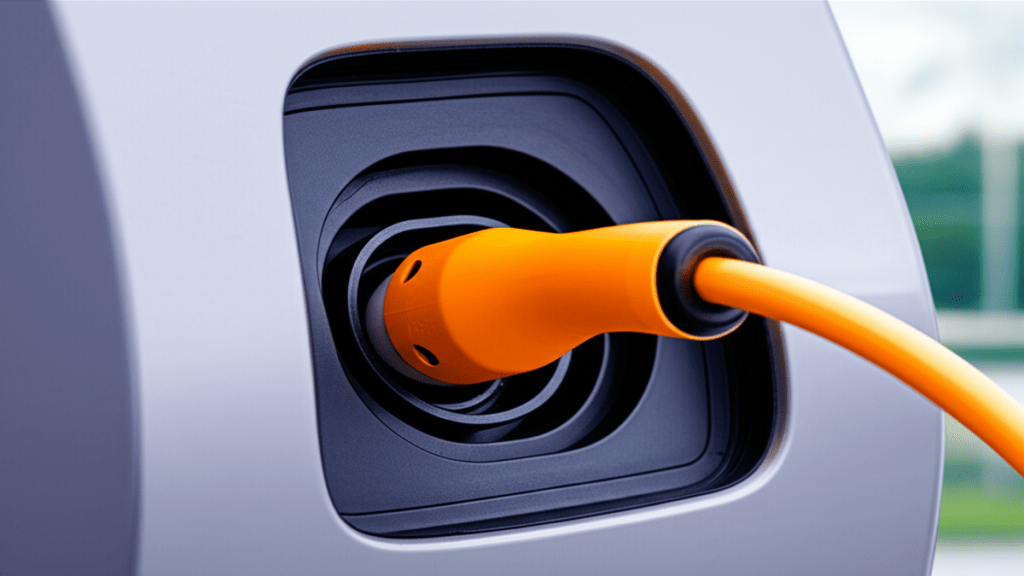
Level 2 charging requires a 240-volt outlet, similar to what powers your electric dryer or oven. This is where ev home charging installation becomes necessary, and where the magic happens. Level 2 chargers deliver 20-60 miles of range per hour—enough to fully charge most EVs overnight.
The charging speed depends on your vehicle’s onboard charger capacity and the charging station’s amperage. Most modern EVs accept 7.2 to 11.5 kW, translating to 25-45 miles of range per hour. Even the largest battery packs, like the 135 kWh pack in a Rivian R1T, charge from empty to full in 8-12 hours.
Electrical Requirements and Panel Assessment
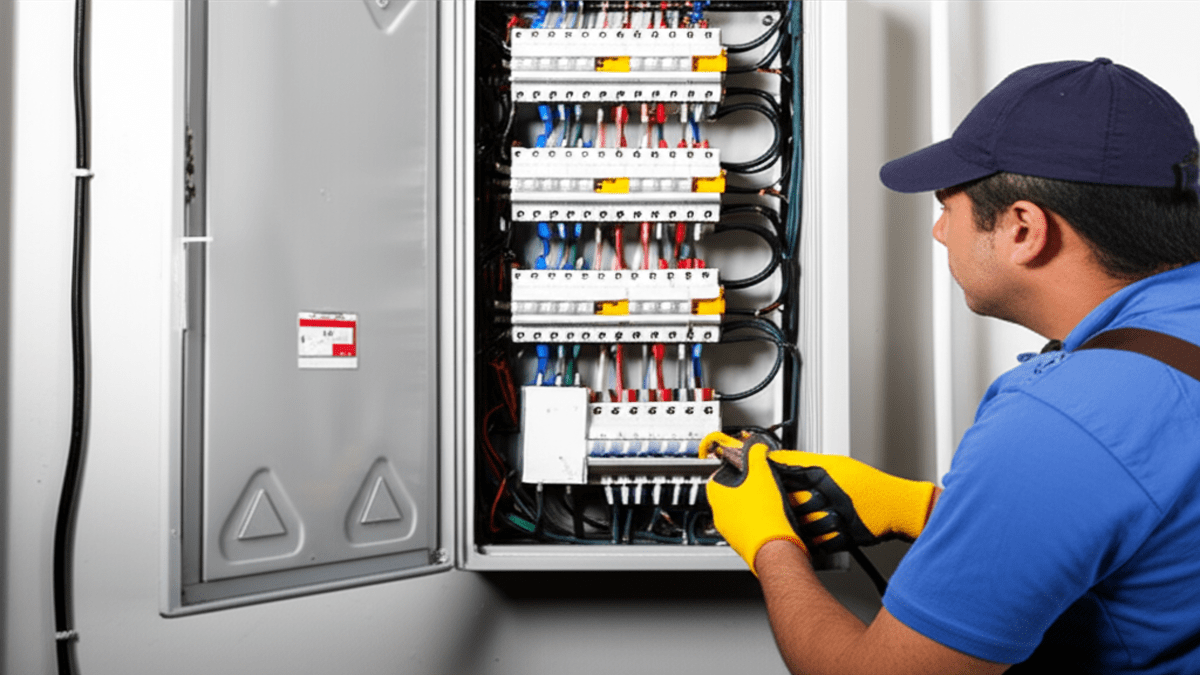
Before purchasing equipment, assess your home’s electrical capacity. This step prevents costly surprises mid-installation. Your electrical panel (breaker box) distributes power throughout your home. Most modern homes have 200-amp service, while older homes might have 100-amp or even 60-amp service.
A typical 200-amp home with gas heating and no pool has 40-60 amps of spare capacity—plenty for a 40-amp EV charger. However, homes with electric heat pumps, tankless water heaters, or swimming pools might approach capacity limits. If your panel lacks space, solutions exist. A panel upgrade to 200-amp service costs $1,500-3,000 but adds significant home value.
Choosing the Right Charging Equipment
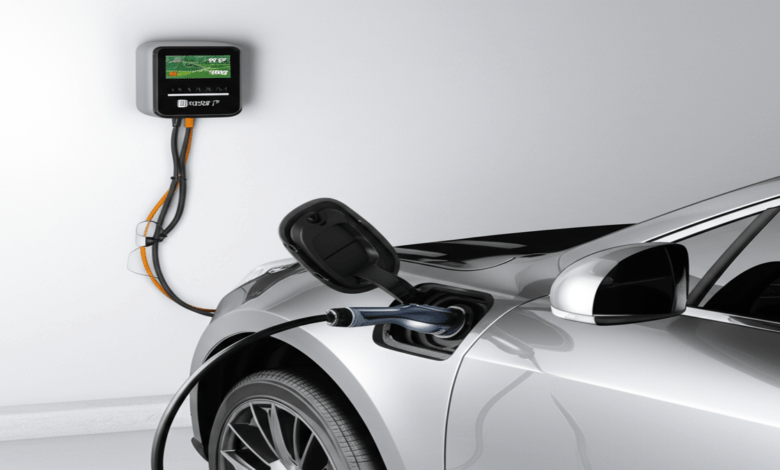
The EV charging market offers dozens of options ranging from $300 budget units to $1,500 smart chargers. You have two installation approaches: hardwired units connected directly to your electrical panel, or plug-in units that connect to a 240-volt outlet.
Hardwired chargers offer cleaner installation with no visible outlet. They’re permanently mounted and wired directly, making them slightly more efficient and reliable. Plug-in chargers offer flexibility—moving? Take your charger with you. Want to upgrade later? Simply unplug and replace.
Smart features provide real benefits. Schedule charging during off-peak hours when electricity rates drop 50% or more. Track energy consumption and costs. Receive notifications when charging completes. Some utilities even offer rebates specifically for smart chargers that participate in demand response programs.
Installation Costs and DIY vs. Professional
Professional ev home charging installation typically costs $500-2,000 depending on complexity. Simple installation (garage panel nearby) runs $500-800. Moderate complexity (panel in basement, garage nearby) costs $800-1,200. Complex installation (detached garage, long wire runs) reaches $1,200-2,000+.
DIY installation costs $200-500 in materials but carries significant risks. Improper installation can void your home insurance policy, cause electrical fires, damage your expensive EV’s charging system, or create liability if someone is injured. Unless you’re a licensed electrician, professional installation is worth the cost for peace of mind and safety.
Step-by-Step Installation Process
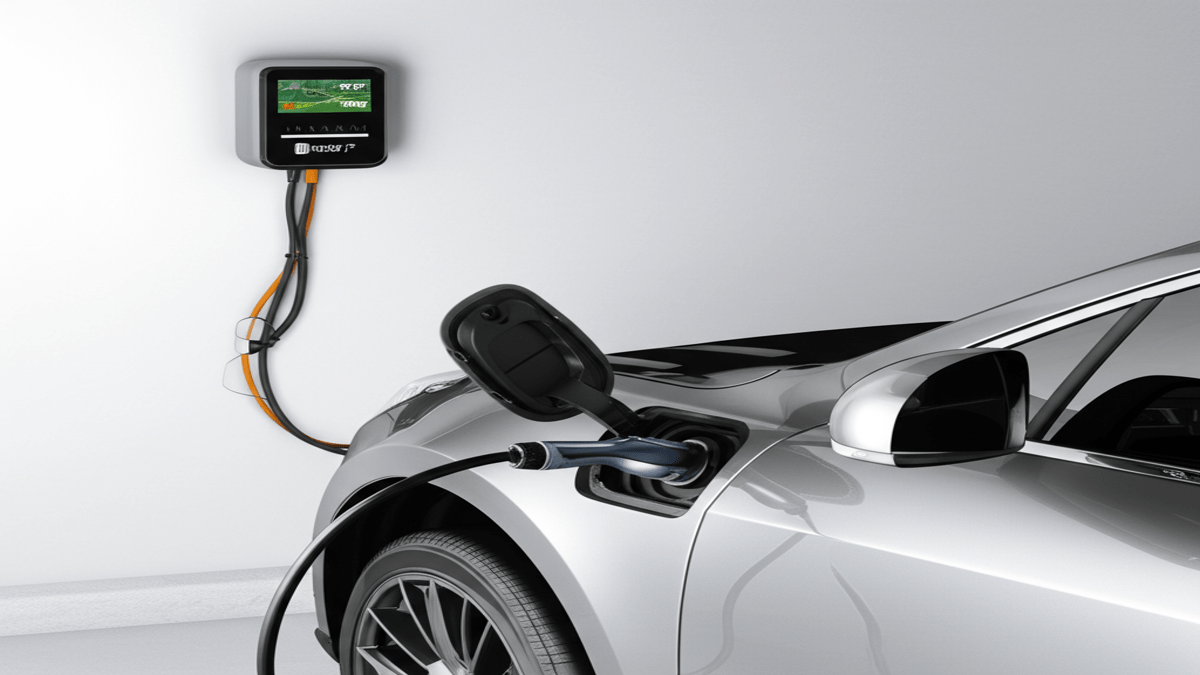
Understanding the installation process helps you communicate effectively with electricians. Before any work begins, plan your installation location. Consider your vehicle’s charging port location, cable length needed (most chargers include 20-25 foot cables), mounting height, proximity to your electrical panel, and weather protection if outdoors.
Contact your local building department to pull permits. Requirements vary by jurisdiction, but most areas require electrical permits for 240-volt circuit installation. The permit process typically takes 1-5 business days and costs $50-200. Professional installation typically takes 2-6 hours depending on complexity.
Maximizing Your Home Charging Setup
Once installed, optimize your setup for cost savings. Time-of-use (TOU) rate plans charge less during off-peak hours (typically 10 PM – 6 AM). For EV owners, TOU plans offer massive savings. Example: California’s EV2-A rate charges 24 cents/kWh off-peak but 58 cents/kWh during peak hours. Charging 50 kWh overnight costs $12 versus $29 during peak—a $17 daily savings.
Planning a second electric vehicle? Consider load management systems that intelligently share electrical capacity between multiple chargers. These systems ensure you never exceed your panel’s capacity while maximizing charging speed for both vehicles. Popular options include DCC-9, SimpleSwitch, and various smart panel upgrades.
Already have solar panels? ev home charging installation creates perfect synergy. Charge your EV with free solar electricity during the day, or use stored battery power if you have home energy storage. Check out the EPA’s fuel economy website for more information on EV charging costs and efficiency.
The Bottom Line
ev home charging installation transforms electric vehicle ownership from compromise to convenience. While upfront costs of $800-2,000 might seem significant, they pale compared to years of public charging expenses and time savings. Public DC fast charging costs 3-4x more than home electricity. Over five years, the average EV owner charging exclusively at public stations spends $3,000-5,000 more than someone with home charging.
Beyond cost, home charging offers unmatched convenience. No more hunting for available chargers, waiting in line, or adjusting your schedule around charging sessions. Simply plug in when you get home, and wake up to a full battery every morning. Ready to take the next step? Start by assessing your electrical panel, then get quotes from three licensed electricians in your area. Check for utility rebates, choose equipment matching your needs, and within weeks you’ll wonder how you ever lived without home charging. For more EV guides, explore our EV battery warranty guide or learn about charging standards.
Have you installed home EV charging? Share your experience, costs, and lessons learned in the comments below to help fellow EV owners navigate this crucial decision.