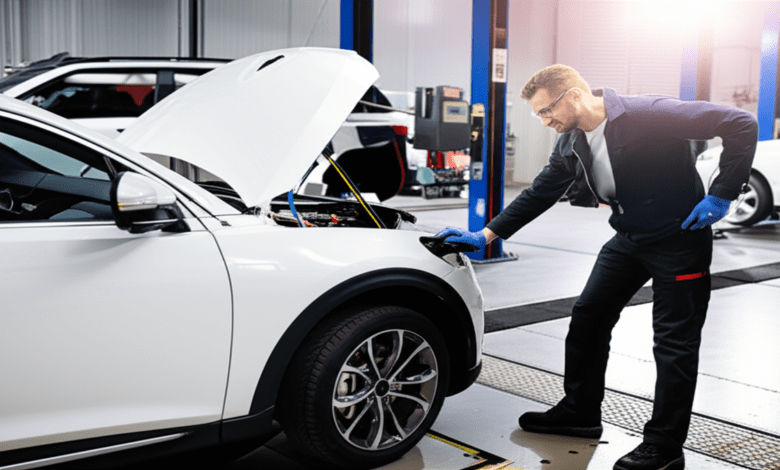
Electric vehicles require dramatically less maintenance than gasoline cars, but that doesn’t mean zero maintenance. This comprehensive ev maintenance guide reveals exactly what your electric car needs to stay reliable, efficient, and trouble-free for years to come. While you’ll skip oil changes and transmission services, understanding EV-specific maintenance prevents costly surprises and maximizes your vehicle’s lifespan.
The simplicity of EV maintenance surprises many first-time owners. With fewer moving parts and no combustion engine, EVs eliminate approximately 20 traditional maintenance items found in gasoline vehicles. However, this simplicity creates a false sense of security. Neglecting the EV maintenance do require leads to premature battery degradation, reduced efficiency, and expensive repairs that proper care could prevent.
This guide covers every aspect of EV maintenance from daily habits to annual professional services. Whether you drive a Tesla, Nissan Leaf, Chevrolet Bolt, or any other electric vehicle, these principles apply universally. Follow this roadmap to keep your EV running perfectly while minimizing lifetime ownership costs. Learn more about home charging setup to reduce wear on your battery.
Battery Health: Your EV’s Most Critical Component
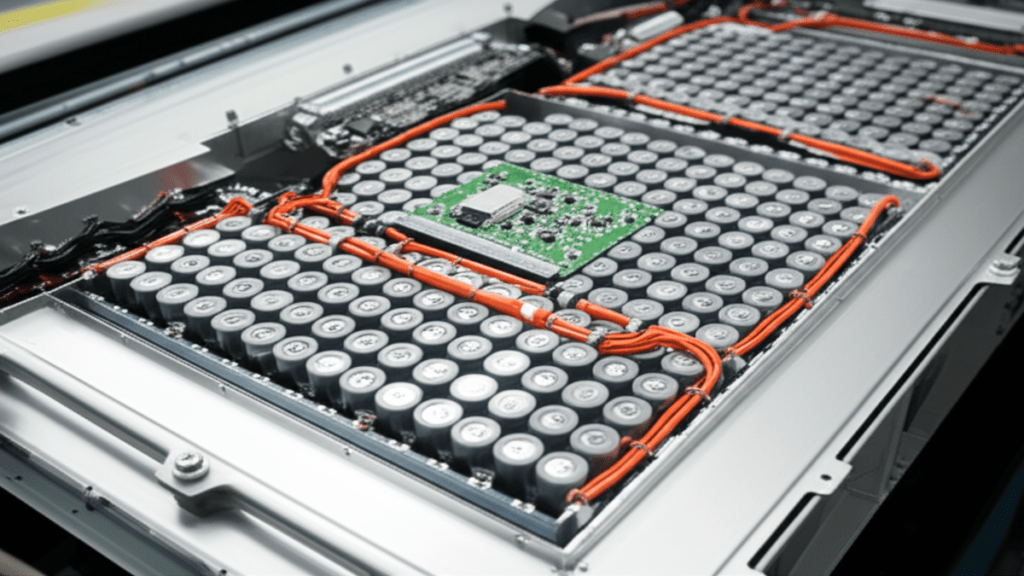
The battery pack represents your EV’s most expensive component, typically costing $10,000-$20,000 to replace if damaged outside warranty. Fortunately, modern EV batteries last 8-15 years with proper care, making battery preservation your top maintenance priority. Understand your protection with our EV battery warranty guide.
Charging habits significantly impact battery longevity. While modern battery management systems protect against catastrophic damage, consistently charging to 100% or draining to 0% accelerates capacity loss. For daily driving, maintain charge between 20-80%. Reserve full charges for long road trips when you need maximum range.
DC fast charging provides convenience but generates heat that stresses battery cells. Occasional fast charging causes minimal harm, but daily DC fast charging accelerates degradation. Use Level 2 home charging for routine replenishment and save fast charging for travel necessities. Your battery will thank you with years of additional service life.
Temperature extremes harm battery chemistry. Parking in shaded areas during summer prevents heat buildup that degrades cells. Pre-conditioning your battery while plugged in during winter warms the pack using grid electricity rather than battery power. These simple habits preserve capacity and range.
Monitor your battery health through your vehicle’s app or infotainment system. Most EVs display battery state of health as a percentage. Gradual decline is normal, but sudden drops indicate potential problems requiring professional evaluation. Document battery health quarterly to track degradation trends.
Tire Maintenance: The Hidden Cost of EV Ownership
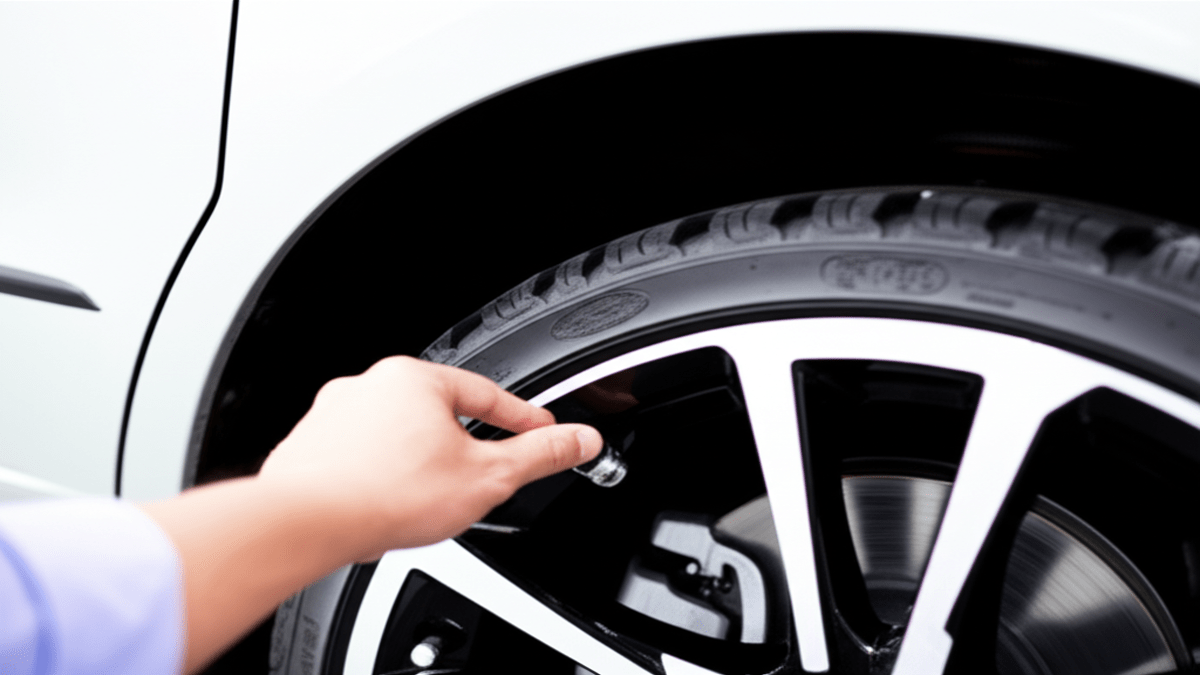
Electric vehicles wear tires faster than gasoline cars due to instant torque and increased weight from battery packs. Expect to replace EV tires 20-30% more frequently, making proper tire care essential for both safety and economics. Check out best EVs 2026 to see which models offer the best tire wear ratings.
Check tire pressure monthly using a quality gauge, not just the vehicle’s tire pressure monitoring system. EVs require precise pressure for optimal efficiency—underinflation increases rolling resistance and reduces range by 3-5%. Most EVs list recommended pressures on the driver’s door jamb, typically 38-42 PSI for front tires and 40-45 PSI for rear tires.
Rotate tires every 6,000-8,000 miles to ensure even wear. The heavy battery pack creates uneven weight distribution that accelerates rear tire wear on many EVs. Regular rotation extends tire life by 20% or more, saving hundreds of dollars over your ownership period.
Choose EV-specific tires when replacement becomes necessary. These tires feature reinforced sidewalls to handle extra weight, optimized tread patterns for low rolling resistance, and noise-reduction technology. While costing 10-15% more than standard tires, they improve range, handling, and comfort.
Wheel alignment deserves attention every 12 months or after hitting significant potholes. Misalignment causes rapid, uneven tire wear and reduces efficiency. Many EVs with advanced driver assistance systems require recalibration after alignment, so choose shops familiar with electric vehicles.
Brake System: Longer Life, Different Care
Regenerative braking extends brake life dramatically—many EV owners report original brake pads lasting 100,000+ miles. However, reduced use creates unique maintenance challenges that require attention. Learn how different EVs handle braking in our Tesla Model Y review and Ford Mustang Mach-E review.
Brake fluid absorbs moisture over time, reducing effectiveness and potentially corroding system components. Unlike gasoline cars that naturally heat brake fluid through regular use, EVs rarely generate enough heat to boil off accumulated moisture. Change brake fluid every 2-3 years regardless of mileage to maintain stopping performance.
Rare brake use leads to corrosion and seizing, particularly in humid climates or coastal areas. Monthly hard braking exercises prevent caliper sticking and rotor surface rust. Find an empty road, accelerate to 40 MPH, then brake firmly several times. This simple practice maintains system responsiveness and prevents expensive repairs.
Listen for unusual noises during braking. Squealing indicates worn pads, while grinding suggests rotor damage requiring immediate attention. Although EV brake wear occurs slowly, neglecting warning signs leads to costly rotor replacement rather than simple pad changes.
Cooling System: Keeping Temperatures Optimal
Electric vehicles use liquid cooling systems to maintain battery, motor, and inverter temperatures within optimal ranges. Unlike gasoline engines that run consistently hot, EVs cycle between ambient temperature and operating temperature, creating unique cooling system demands.
Check coolant levels during annual inspections. The cooling system remains sealed, so significant fluid loss indicates leaks requiring professional repair. Use only manufacturer-specified coolant—mixing incompatible formulations damages components and voids warranties. Find certified service centers through our charging station locator that also offer EV maintenance services.
Cabin air filters require regular replacement, typically every 15,000-30,000 miles depending on driving conditions. These filters clean air entering the passenger compartment and protect HVAC system components. Dirty filters reduce heating and cooling efficiency, forcing the system to work harder and draw more battery power.
Schedule professional cooling system inspections every 2 years. Technicians verify coolant condition, check for leaks, test pump operation, and ensure radiator cleanliness. Preventive maintenance catches small issues before they become expensive battery thermal management failures.
Software Updates: EV Maintenance Through Modernization
Software represents a critical maintenance component unique to modern EVs. Manufacturers regularly release updates improving efficiency, adding features, and fixing bugs that could affect vehicle operation. Stay informed about EV tax credits that might apply to your EV maintenance costs.
Install updates promptly when notified through your vehicle’s app or infotainment system. Updates typically require 30-60 minutes with the vehicle connected to Wi-Fi and parked. Some manufacturers allow scheduled installation during off-peak hours to minimize inconvenience.
Beyond official updates, third-party apps and accessories sometimes interfere with vehicle systems. Research compatibility before installing aftermarket devices, particularly those connecting to OBD-II ports or modifying charging behavior. Poorly designed accessories create error codes, reduce efficiency, or void warranties.
Document all software versions installed on your vehicle. If problems arise, this information helps service technicians diagnose issues and verify your vehicle received critical updates. Screenshot update notifications for your records.
12V Battery: The Forgotten Component
Despite massive high-voltage battery packs, EVs still rely on traditional 12V batteries for accessories, lights, and control systems. This often-overlooked component requires regular attention to prevent unexpected breakdowns. Consider upgrading to premium batteries for luxury EVs like the BMW iX or Audi Q8 e-tron.
The 12V battery charges from the main high-voltage pack through a DC-DC converter. This system maintains charge but doesn’t provide the regular deep cycling that keeps lead-acid batteries healthy. Consequently, EV 12V batteries often fail sooner than those in gasoline cars.
Test 12V battery voltage every 6 months using a multimeter. Healthy batteries read 12.4-12.7 volts when the vehicle is off. Readings below 12.0 volts indicate failing batteries requiring replacement. Many auto parts stores test batteries for free if you lack equipment.
Replace 12V batteries every 3-4 years as preventive EV maintenance, even if they appear functional. The inconvenience of a dead battery far exceeds replacement cost. Choose AGM (Absorbent Glass Mat) batteries designed for deep cycling rather than standard flooded batteries.
Professional Service Intervals
While EVs require less frequent service than gasoline vehicles, manufacturer-recommended intervals still matter. Skipping professional inspections risks missing developing problems that simple fixes could prevent. Learn about EV maintenance costs when considering affordable options like the Chevrolet Bolt.
Schedule comprehensive inspections every 12 months or 15,000 miles, whichever comes first. These inspections include battery health analysis, cooling system evaluation, brake system examination, suspension checks, and software updates. Costs typically range $150-$300—far less than equivalent gasoline vehicle services.
High-voltage system inspections require specialized training and equipment. Never attempt DIY repairs on orange-cabled high-voltage components. Even disabled, these systems store lethal energy. Leave high-voltage work to certified technicians with proper safety training and insulated tools.
Maintain detailed service records including dates, mileage, work performed, and technician notes. These records prove maintenance history for warranty claims and increase resale value. Digital records through manufacturer apps work, but backing up with personal copies ensures accessibility.
DIY Maintenance You Can Handle
Several EV maintenance tasks require no special training. Performing these yourself saves money and builds familiarity with your vehicle. For more DIY tips, visit Tesla’s official support page for model-specific maintenance guides.
Replace cabin air filters annually—typically a 5-minute task. Purchase filters for $15-$30, saving dealership markup.
Clean your vehicle regularly, including the undercarriage in areas with road salt. Quarterly car washes prevent rust damage.
Monitor windshield washer fluid monthly. Use winter-formula fluid in cold climates.
Inspect wiper blades every 6 months. Quality blades cost $20-$40 and install in minutes.
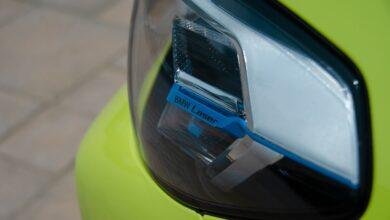
Check exterior lights monthly. LED lights last longer but still require occasional replacement.
Seasonal EV Maintenance Considerations
Electric vehicles face unique challenges across different seasons. Understanding seasonal maintenance needs helps you prepare your EV for varying weather conditions.
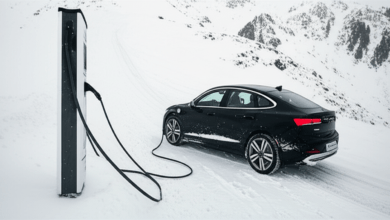
Winter demands special attention for EV owners. Cold temperatures reduce battery efficiency and range by 20-40%. Pre-conditioning your vehicle while plugged in warms both the cabin and battery using grid power. Winter tires with cold-weather compounds provide better handling and safety than all-season tires below 45°F.
Summer heat poses different challenges. High temperatures accelerate battery degradation if vehicles sit in direct sunlight. Park in shaded areas when possible. Use window shades to reduce cabin temperatures and minimize air conditioning load.
Charging Equipment Maintenance
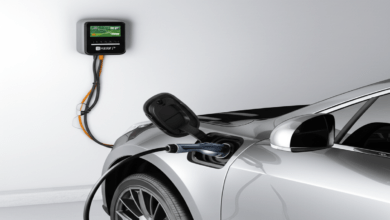
Your home charging equipment requires periodic attention to ensure safe, reliable operation. Neglecting charger maintenance creates safety hazards.
Inspect your charging cable monthly for damage, fraying, or exposed wires. Replace damaged cables immediately—never attempt repairs on high-voltage equipment.
Clean charging connectors regularly to ensure proper electrical contact. Dirt and corrosion increase resistance, generating heat and reducing efficiency.
Test ground fault protection quarterly. This safety feature prevents electric shock. If tests fail, discontinue use and contact an electrician immediately.
Common EV Maintenance Myths Debunked
Misinformation about EV maintenance leads some owners to neglect necessary care. Understanding fact from fiction helps you make informed decisions.
Myth: EVs require no maintenance. Reality: While EVs need less maintenance than gasoline cars, tires, brakes, fluids, and filters still need attention. Ignoring these needs leads to premature wear.
Myth: Any tire works on an EV. Reality: EV-specific tires handle the unique weight and torque. Standard tires wear faster and reduce range.
Myth: Fast charging doesn’t harm batteries. Reality: Daily DC fast charging accelerates degradation. Use Level 2 home charging for routine use.
Myth: EVs don’t need brake service. Reality: Brake fluid degrades and calipers can seize. Regular brake maintenance remains essential.
Emergency Preparedness for EV Owners
Preparing for unexpected situations helps you handle roadside emergencies confidently.
Maintain a roadside emergency kit including a portable tire inflator, charging adapters, and emergency blankets.
Understand your vehicle’s towing requirements. Many EVs require flatbed tow trucks. Ensure your roadside assistance provider understands EV towing procedures.
Keep manufacturer emergency contact numbers available. Most EV manufacturers provide 24/7 roadside assistance trained for electric vehicles.
Cost Comparison: EV vs Gasoline Maintenance
Understanding actual maintenance costs helps justify EV ownership and budget appropriately.
Over five years and 75,000 miles, average EV maintenance costs range $3,000-$4,500 compared to $6,000-$8,000 for comparable gasoline vehicles. Savings come from eliminated oil changes, reduced brake wear, and fewer fluid replacements.
However, EV tire costs run higher due to specialized tires and faster wear. Budget $800-$1,200 every 30,000-40,000 miles for tire replacement.
Professional service costs vary by region and brand. Tesla service centers typically charge $200-$400 for annual inspections, while luxury European EVs may cost $400-$600.
DIY maintenance provides substantial savings. Simple tasks like cabin filter replacement cost $50-$100 at shops but only $20-$40 in parts when done at home.
Maximizing Resale Value Through EV Maintenance
Proper maintenance directly impacts EV resale values. Documented service history proves responsible ownership and justifies higher prices when selling or trading. Neglected EV maintenance history scares buyers and reduces offers significantly.
Keep your vehicle cosmetically clean and damage-free. Paint protection film on high-impact areas prevents chips that detract from appearance. Address interior wear promptly—seat covers protect against stains and tears that buyers notice immediately.
Maintain battery health above 85% capacity when possible. Battery condition significantly affects EV resale values, with degraded batteries reducing offers by thousands of dollars. The charging habits described earlier pay dividends when selling time arrives.
Preserve all original equipment including charging cables, floor mats, and documentation. Missing accessories reduce perceived value and create negotiation leverage for buyers. Store original parts if you upgrade wheels or other components.
EV maintenance requires less time and money than traditional cars, but neglecting what maintenance EVs do need creates expensive consequences. Follow this comprehensive ev maintenance guide to enjoy years of reliable, efficient electric driving while preserving your investment.
What EV maintenance questions do you have? Share in the comments—we’ll help you keep your electric vehicle running perfectly for years to come.