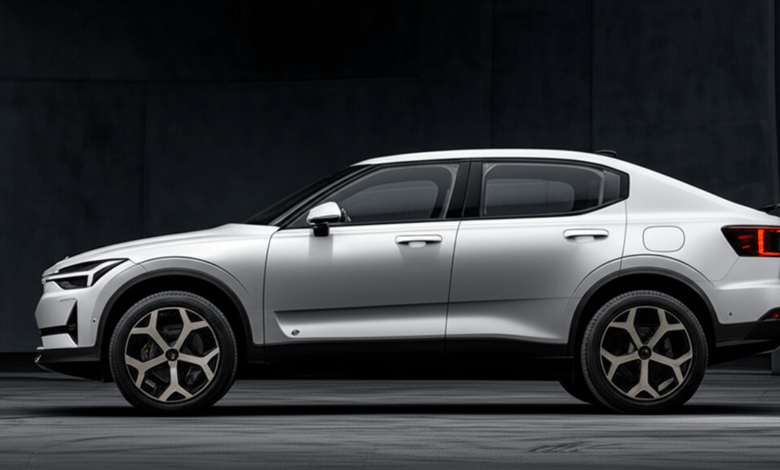
Volvo’s performance division has evolved from racing heritage to electric innovation, and the Polestar 3 represents this transformation’s most ambitious expression yet. This comprehensive polestar 3 review examines whether Volvo’s performance brand can successfully compete in the crowded luxury electric SUV segment against established players like Tesla Model X, BMW iX, and Mercedes EQE SUV. After extensive testing across varied terrain and driving conditions, the answer reveals a vehicle that prioritizes driver engagement over outright luxury.
Polestar’s journey from Volvo’s racing partner to standalone electric brand has occurred remarkably quickly. The Polestar 1 plug-in hybrid established performance credentials, while the Polestar 2 sedan demonstrated electric competence. Learn more about best electric cars 2026 to see how Polestar ranks among competitors.
Design: Scandinavian Minimalism With Purpose
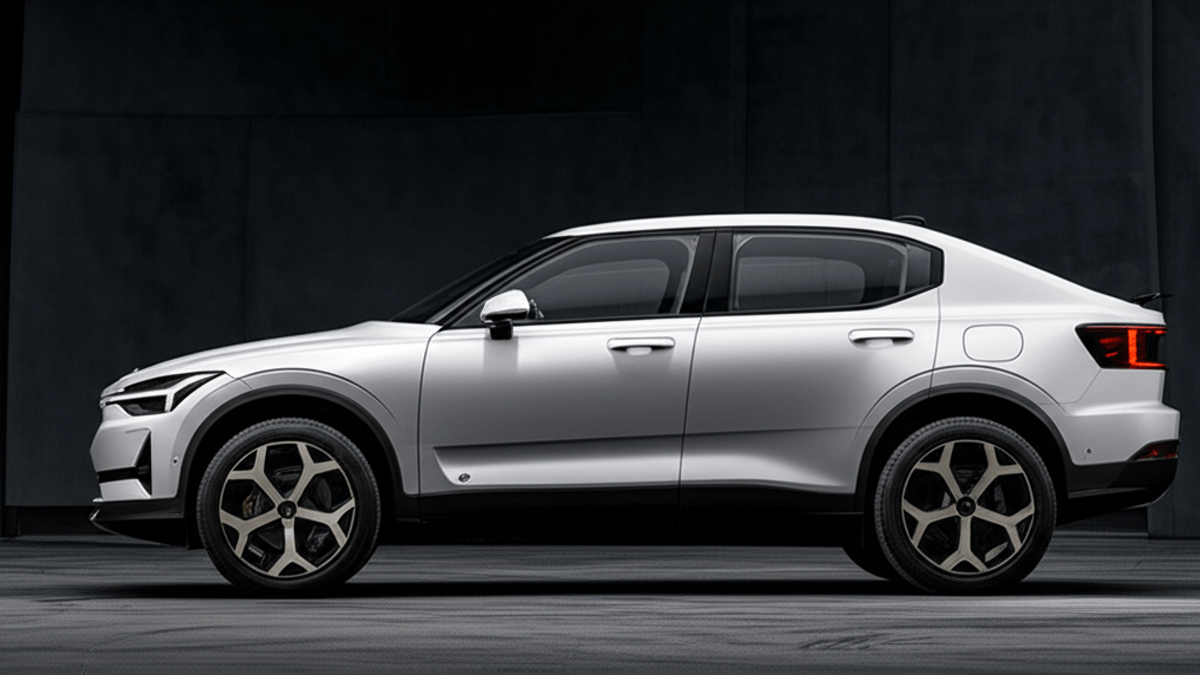
The Polestar 3’s exterior design communicates its sporting intentions immediately without resorting to aggressive styling clichés. Where Tesla Model X appears somewhat anonymous and BMW iX embraces controversial aesthetics, the Polestar achieves distinctive presence through clean lines and proportional excellence. Compare with BMW iX and Tesla Model X for context.
Front-end styling incorporates Polestar’s signature “SmartZone” panel—a solid panel replacing traditional grilles that houses forward-facing cameras and sensors. LED lighting signatures front and rear provide dramatic nighttime presence. Proportions deserve particular praise, maintaining classical SUV silhouette rather than adopting the coupe-SUV trend that compromises utility.
Interior: Driver-Focused Environment
The Polestar 3’s interior rejects the screen-heavy minimalism that characterizes Tesla and Mercedes competitors, instead offering a carefully considered balance of digital integration and physical controls. The result creates an environment that feels designed by drivers rather than software engineers.
Material quality satisfies luxury expectations without ostentation. Genuine leather covers seating surfaces in standard configurations, while available vegan alternatives match conventional materials for appearance and durability. Seating position strikes an ideal balance between SUV commanding height and sedan sporting connection to the road. Learn about EV seating comfort in our maintenance guide.
Rear accommodations prove generous for adult passengers, with 40.1 inches of legroom and adequate headroom. The 49.8 cubic feet of cargo space behind rear seats accommodates substantial luggage, expanding to 71.6 cubic feet with seats folded. Technology integration emphasizes functionality over spectacle with a 14.5-inch central touchscreen running Google-built software.
Performance: Genuine Sporting Credentials
The Polestar 3 Long Range Dual Motor delivers 489 horsepower and 620 lb-ft of torque—figures that translate to genuinely rapid acceleration without the neck-snapping immediacy that some electric vehicles employ. The 0-60 mph sprint requires approximately 4.9 seconds, quick enough for any real-world situation while maintaining refined character.
Performance Pack upgrades increase output to 517 horsepower while adding valuable hardware including adjustable Öhlins dampers, upgraded Brembo brakes, and 22-inch forged wheels. These modifications transform the Polestar 3 from quick SUV to genuine performance vehicle capable of challenging dedicated sports cars. Find charging stations for your performance EV with our locator.
Mountain pass testing revealed handling capabilities that embarrassed some sports sedans. The rear-biased torque vectoring system routes power precisely where needed, eliminating understeer that plagues lesser all-wheel-drive systems. Adjustable suspension settings range from Comfort to Firm, with Öhlins dampers adjusting automatically based on driving mode.
Range and Efficiency: Real-World Testing
EPA range estimates reach 300 miles for the standard Long Range Dual Motor configuration and 270 miles for Performance Pack-equipped vehicles. Real-world testing during moderate weather conditions showed these figures prove achievable with conservative driving, though spirited use reduces range by approximately 20%.
Mixed driving evaluation yielded 275 miles from a full charge in standard configuration and 245 miles with Performance Pack. Efficiency measured 2.7 miles per kWh during varied driving, translating to electricity costs of approximately $0.045 per mile. Learn about EV tax credits that might reduce your costs.
DC fast charging capability reaches 250 kW, adding approximately 190 miles of range in 30 minutes under optimal conditions. The 800V architecture enables these rapid charging speeds that embarrass 400V competitors, making the Polestar 3 genuinely practical for road trip use.
Technology and Driver Assistance
The Polestar 3’s technology suite emphasizes driver assistance that enhances rather than replaces human control. The Pilot Pack adds enhanced adaptive cruise control, lane-keeping assistance, and Pilot Assist that handles steering, acceleration, and braking on suitable highways while requiring driver attention.
Unlike some competitors that promise autonomous capabilities years from delivery, Polestar’s systems deliver genuinely useful assistance today. The adaptive cruise maintains comfortable following distances without the jerky responses that characterize lesser systems. The system works competently in stop-and-go traffic, reducing fatigue during extended highway journeys.
The Bowers & Wilkins audio system in Performance Pack-equipped vehicles delivers concert-hall clarity that transforms commuting into listening sessions. 25 speakers and 1,610 watts create immersive soundstaging. Connectivity features include wireless Apple CarPlay and Android Auto, both operating reliably without connection drops.
Pricing and Competitive Position
The Polestar 3 Long Range Dual Motor starts at $83,900, while Performance Pack-equipped examples command $89,900 before options. This pricing positions the Polestar 3 against Tesla Model X ($79,990-$94,990), BMW iX ($87,100-$111,500), and Mercedes EQE SUV ($74,900-$89,500).
Against these competitors, the Polestar offers superior driving dynamics and distinctive Scandinavian design, though Tesla maintains charging network advantages. Federal tax credits provide up to $7,500 for qualifying Polestar 3 purchases, reducing effective prices significantly. For buyers prioritizing driving engagement over outright luxury, the Polestar 3 represents compelling value.
The Verdict
The Polestar 3 succeeds brilliantly in its mission of delivering genuine driving enjoyment within practical SUV packaging. Where competitors prioritize technology integration or outright luxury, Polestar focuses on the fundamental driver-machine connection that makes automobiles engaging rather than merely transportation. Learn more about the EV market at IEA Global EV Outlook.
For buyers seeking electric SUV practicality without sacrificing the engagement that makes driving enjoyable, the Polestar 3 offers essentially unchallenged appeal. It proves that electrification need not eliminate driver involvement—that electric vehicles can engage enthusiasts as effectively as their gasoline predecessors while delivering superior efficiency.
Does the Polestar 3’s performance focus appeal to you, or do you prefer the luxury emphasis of competitors? Share your perspective below—enthusiast viewpoints help buyers navigate this diverse segment.