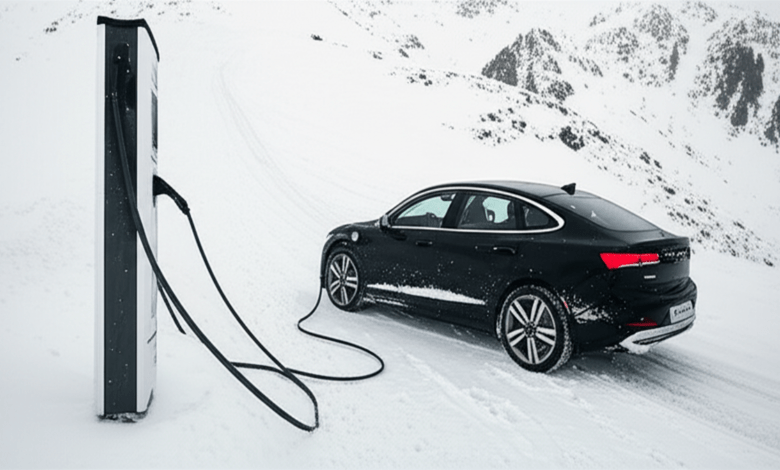
Winter transforms electric vehicle ownership from efficient transportation to strategic operation requiring knowledge and preparation. Cold temperatures affect battery chemistry, reduce range, and demand different driving techniques that many EV owners learn through frustrating experience. This comprehensive winter ev driving guide provides everything you need to navigate freezing temperatures confidently while maintaining the efficiency and convenience that attracted you to electric driving.
Electric vehicles face unique challenges in winter that gasoline cars avoid entirely. Battery performance degrades in freezing temperatures, heating systems drain power that would otherwise extend range, and charging times increase as battery management systems protect cells from cold damage. Learn more about EV maintenance to keep your vehicle running optimally year-round.
Understanding Cold Weather Impact on Batteries
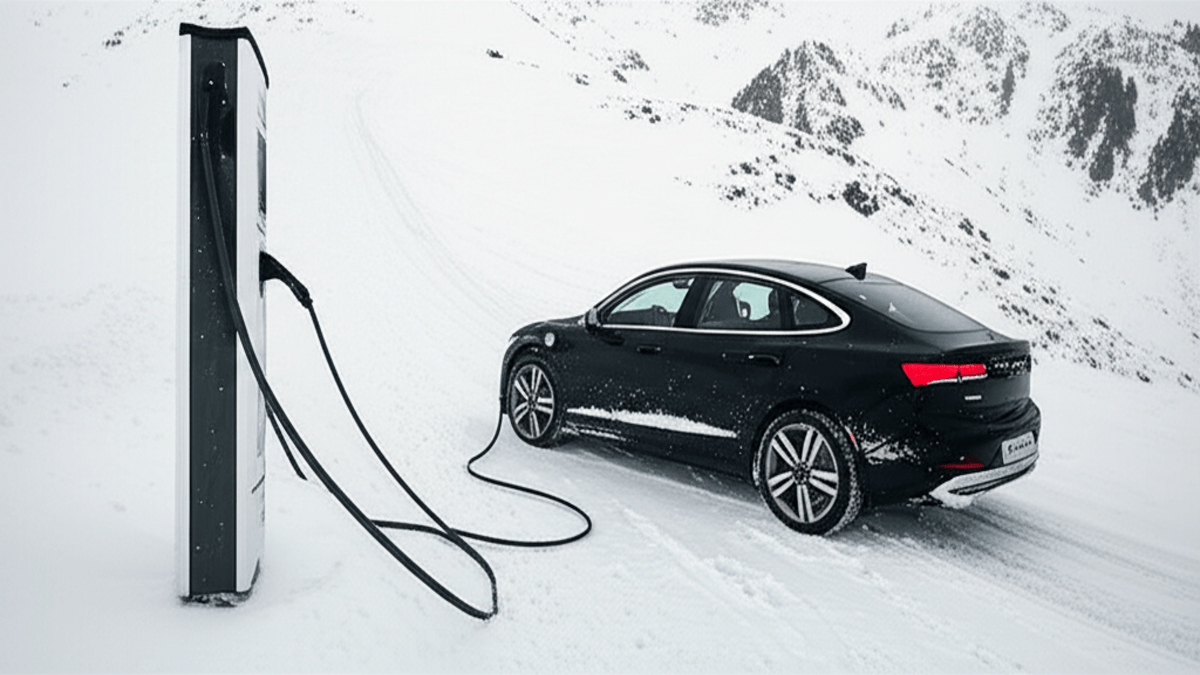
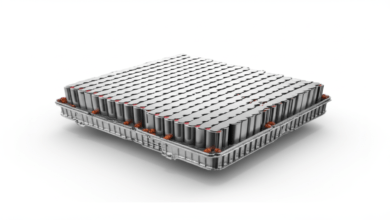
Lithium-ion batteries—the power source for virtually all modern electric vehicles—operate through chemical reactions that slow dramatically in freezing temperatures. This slowdown manifests as reduced capacity, slower charging rates, and diminished power delivery that affects acceleration and hill-climbing capability.
Cold weather reduces EV range by twenty to forty percent depending on severity and driving conditions. This reduction stems from multiple factors: decreased battery efficiency, heating system power consumption, and increased rolling resistance from cold tires on snow-covered roads. Understanding these compounding effects helps set realistic expectations and plan accordingly.
Pre-Conditioning: Your Winter Secret Weapon
Pre-conditioning represents the single most effective strategy for maintaining winter EV performance. By heating the battery and cabin while still connected to charging power, you preserve range that would otherwise be consumed warming cold components using stored battery energy. Learn about home charging installation to optimize your setup.
Most modern EVs offer scheduled departure features that automatically pre-condition the vehicle at specified times. Set your departure time fifteen to thirty minutes before actual departure, allowing sufficient time for the battery management system to warm cells and the climate control to heat the cabin. The electricity consumed comes from the grid rather than your battery, effectively extending winter range by ten to fifteen percent.
Garage parking amplifies pre-conditioning benefits by providing shelter from wind and extreme cold. Even unheated garages maintain temperatures significantly warmer than outdoor exposure, reducing the energy required for pre-conditioning and improving overall efficiency.
Efficient Heating Strategies
Climate control represents the largest winter range impact beyond battery efficiency losses. Heating systems can consume three to five kilowatts continuously—enough to reduce range by twenty-five percent during highway driving. Strategic heating management preserves range without sacrificing comfort.
Seat heaters provide warmth more efficiently than cabin heating by directing heat precisely where occupants need it rather than warming entire air volumes. Use seat heaters as primary warmth sources, supplementing with minimal cabin heating only when necessary. This approach maintains comfort while consuming one-third the energy of full climate control operation. Read about Tesla Model Y and other EVs with efficient heating systems.
Driving Techniques for Winter Efficiency
Winter driving demands technique adjustments that maximize efficiency while maintaining safety. Smooth acceleration prevents wheel spin on slippery surfaces while conserving energy through gradual power application. Regenerative braking systems work less effectively on snow and ice, requiring anticipation and gradual deceleration.
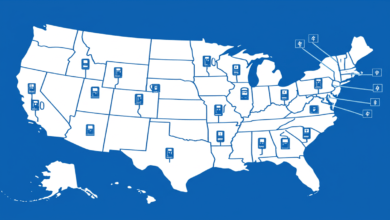
Maintaining steady speeds on highways improves winter range significantly compared to frequent acceleration and deceleration. Use adaptive cruise control when available, as these systems maintain consistent speeds more precisely than human drivers. Check EV charging stations along your route before traveling.
Tire pressure monitoring becomes critical in winter, as cold temperatures reduce pressure by one PSI for every ten degrees Fahrenheit below optimal inflation temperature. Underinflated tires increase rolling resistance dramatically, further reducing winter range while compromising safety.
Charging Challenges and Solutions
Winter charging presents complications that summer driving avoids entirely. Cold batteries charge more slowly as management systems limit current flow to protect cell chemistry. Fast charging that requires thirty minutes in summer might demand sixty minutes in freezing temperatures—or fail entirely if the battery is too cold.
Pre-conditioning before fast charging significantly improves charging speeds by warming the battery to acceptable temperatures. Arrive at charging stations with fifteen to twenty percent battery remaining, allowing the battery management system to use charging power for warming rather than depleting stored energy. Learn about fast charging technology and how cold affects it.
Garaged charging stations provide significant advantages over exposed installations. Wall-mounted units in attached garages operate more reliably and charge faster than outdoor stations exposed to extreme cold.
Safety Equipment and Emergency Preparation
Winter EV ownership requires emergency preparation that mild-weather driving doesn’t demand. Maintain emergency kits including blankets, flashlights, portable phone chargers, and high-energy snacks for unexpected delays.
Winter tires prove essential for safety and efficiency in snowy climates. All-season tires harden below forty-five degrees Fahrenheit, reducing grip and increasing stopping distances even on dry pavement. Winter tires maintain flexibility in extreme cold while providing tread patterns optimized for snow and ice traction. The improved safety and reduced rolling resistance justify the investment for drivers in snowy regions.
Route planning must account for reduced winter range and potential charging complications. Plan charging stops closer together than summer calculations suggest, maintaining twenty to thirty percent battery buffer rather than the ten percent that suffices in mild weather. Check available EV tax credits that might help with winter tire purchases.
Long-Term Battery Health Considerations
Winter operation affects long-term battery health through mechanisms that aren’t immediately apparent. Repeated fast charging of cold batteries causes lithium plating that permanently reduces capacity. Limiting fast charging during extreme cold—or ensuring adequate battery warming beforehand—preserves long-term battery performance.
Garage storage when possible reduces temperature extremes that stress battery chemistry. While modern EVs withstand outdoor parking, consistent exposure to temperature extremes accelerates degradation compared to garaged storage. Read about EV battery warranties to understand your coverage.
Software updates increasingly address winter performance through improved thermal management and charging algorithms. Install updates promptly when available, as manufacturers continuously refine winter operation strategies based on fleet data and customer feedback. Learn more about EV technology at IEA Global EV Outlook.
Winter EV driving demands adjustment and preparation, but rewards knowledgeable owners with efficient, comfortable transportation regardless of weather conditions. The strategies outlined here transform winter from EV ownership’s greatest challenge into a manageable season requiring only modest adaptation from summer driving habits.
What winter EV driving challenges have you encountered? Share your experiences and solutions below—collective wisdom helps all EV owners navigate cold weather successfully.