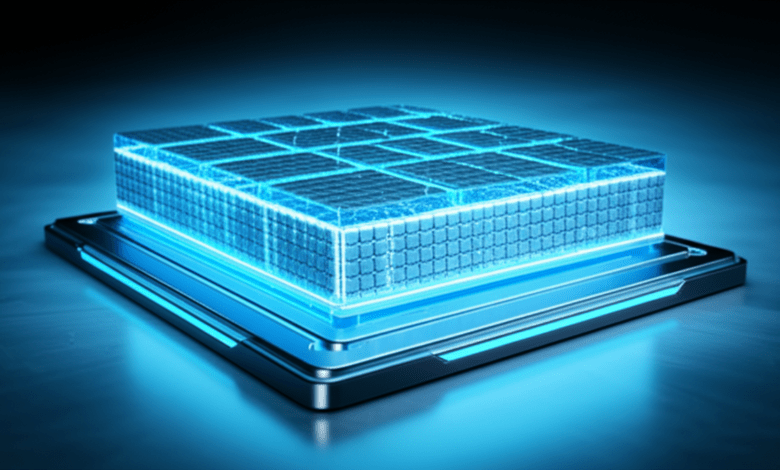
Toyota has officially confirmed what industry analysts have anticipated for years. The world’s largest automaker announced that toyota solid-state battery production will begin in 2026, marking a pivotal moment in electric vehicle technology that could fundamentally change the competitive landscape. This breakthrough represents more than incremental improvement—it promises to address the primary limitations that have prevented widespread EV adoption among mainstream consumers.
Solid-state batteries replace the liquid electrolyte found in conventional lithium-ion cells with solid ceramic or glass materials. This seemingly simple change delivers profound benefits: higher energy density enabling 500+ mile range, charging speeds that add 300 miles in just 10 minutes, and enhanced safety that eliminates fire risks. Learn more about advanced charging technology and how batteries are evolving.
Production Plans and Partnerships
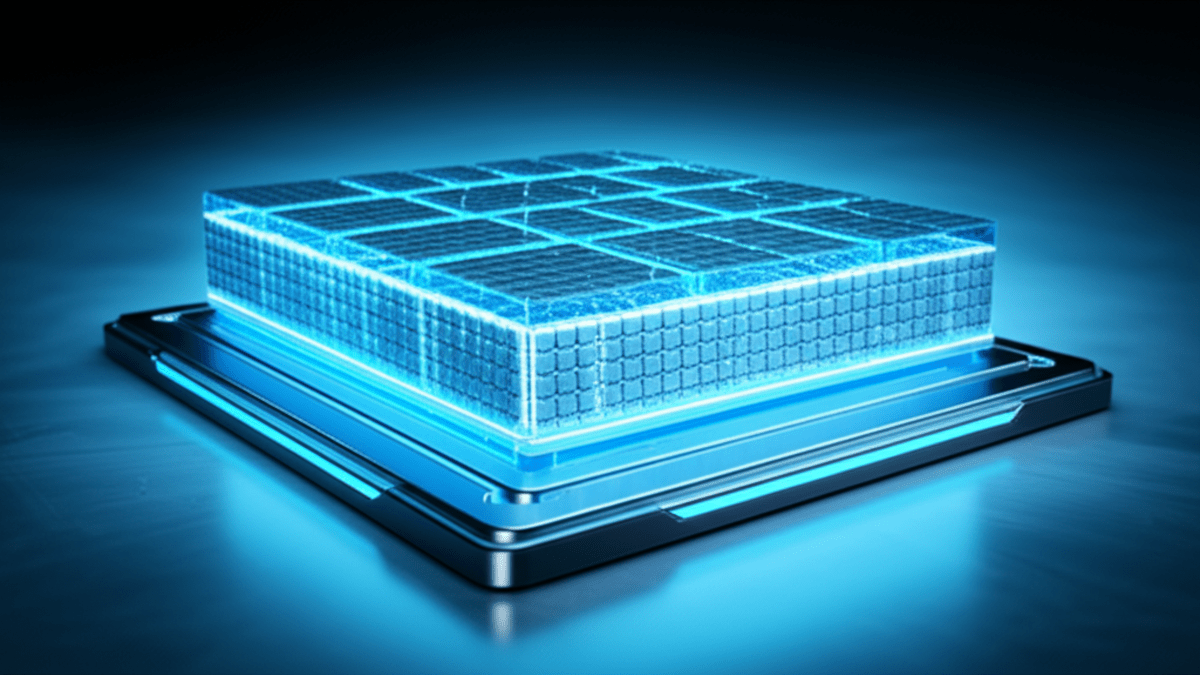
Toyota will manufacture solid-state batteries at a dedicated facility in Japan beginning 2026, with initial capacity targeting 200,000 vehicles annually. This conservative start reflects manufacturing complexity that exceeds conventional lithium-ion production. The company has partnered with Idemitsu Kosan to secure stable supply chains for the specialized materials required. Check available EV tax incentives that might apply to future Toyota EVs.
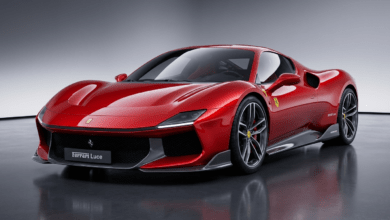
Initial production will focus on premium Lexus vehicles, where higher prices can absorb the technology’s current cost premium. The first production solid-state battery vehicle, expected in late 2027, will be a Lexus luxury sedan offering range and charging capabilities that exceed anything currently available from competitors.
Technical Specifications and Advantages
Toyota’s solid-state batteries achieve energy density of 450 Wh/kg—more than twice the 200-250 Wh/kg typical of current lithium-ion cells. This improvement translates directly to vehicle range, with the same battery weight delivering double the distance. Find EV charging stations for your current electric vehicle.
Charging speed represents perhaps the most significant consumer benefit. Solid-state batteries can accept charge rates exceeding 500 kW without degradation, compared to 250-350 kW maximum for best current lithium-ion cells. This capability enables adding 300 miles of range in just 10 minutes—approaching the convenience of gasoline refueling.
Temperature tolerance improvements address another EV limitation. Current lithium-ion batteries suffer significant range reduction in cold weather. Solid-state chemistry maintains performance across broader temperature ranges, reducing the seasonal variability that frustrates owners. Read about winter EV driving tips.
Manufacturing Challenges and Solutions
Solid-state battery production faces challenges that have delayed commercialization despite decades of research. The ceramic electrolyte materials are brittle and difficult to process at scale. Toyota has developed proprietary pressing techniques that achieve necessary density while maintaining production speeds compatible with automotive volume requirements.
Cost reduction remains the primary obstacle to mass-market adoption. Current solid-state batteries cost approximately $200 per kWh—roughly double conventional lithium-ion cells. Toyota projects achieving cost parity by 2028 through manufacturing scale. Learn about EV battery warranties and longevity.
Competitive Response and Industry Impact
Toyota’s announcement has triggered accelerated development efforts across the industry. Volkswagen, through its QuantumScape partnership, maintains similar production timelines. Mercedes-Benz has invested in Factorial Energy, while Ford collaborates with Solid Power on competing solid-state technologies. Compare with BYD’s battery technology and market strategy.
Chinese manufacturers, led by BYD and CATL, present the most significant competitive challenge. These companies have demonstrated rapid scaling capabilities and aggressive cost reduction. BYD has announced its own solid-state battery development, with production targeted for 2027—just one year behind Toyota’s timeline.
Consumer Implications and Market Forecasts
For consumers, Toyota’s solid-state battery introduction promises to eliminate the primary barriers preventing EV adoption. Range anxiety disappears with 500+ mile capability, charging inconvenience vanishes with 10-minute replenishment, and safety concerns evaporate with inherently stable chemistry.
Initial availability will be limited and expensive. The first solid-state battery vehicles will likely command $20,000+ premiums over equivalent lithium-ion models, restricting access to luxury buyers. Mass-market affordability requires the cost reductions Toyota projects for 2028-2030. Learn more about global EV trends at IEA Global EV Outlook.
Toyota’s solid-state battery commitment represents more than technological advancement—it signals the maturation of electric vehicle technology toward genuine mainstream competitiveness. If the company delivers on its ambitious timeline and cost targets, the automotive industry will fundamentally transform within this decade.
Would you delay your next vehicle purchase to wait for solid-state battery technology, or are current EV capabilities sufficient for your needs? Share your thoughts below—consumer perspectives help manufacturers understand market priorities.