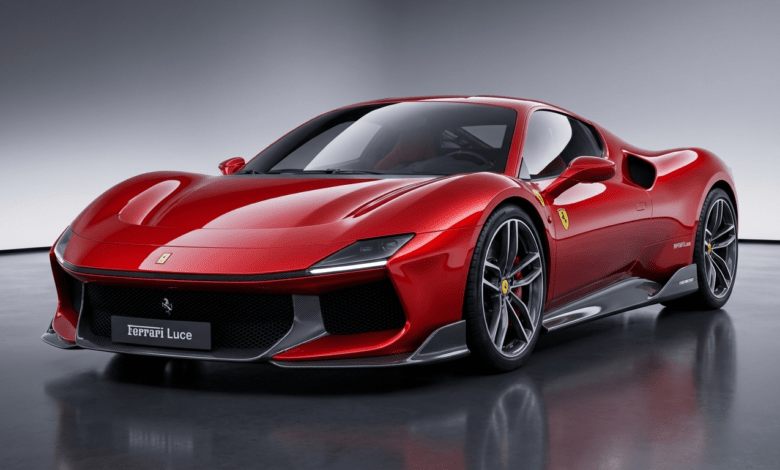
Ferrari has shattered expectations with the official unveiling of the ferrari luce ev, its first all-electric vehicle. The Italian marque’s entrance into electrification arrives with a bold statement: electric cars need not sacrifice driver engagement for sustainability. Revealed in San Francisco, the Luce represents a $500 million bet that performance enthusiasts will embrace zero-emission driving.
The ferrari luce ev distinguishes itself immediately through an unconventional partnership. Jony Ive, the legendary Apple designer responsible for the iPhone’s minimalist aesthetic, co-designed the interior through his LoveFrom collective. This five-year collaboration produced a cabin that deliberately rejects the touchscreen-heavy approach dominating contemporary electric vehicles. Learn more about luxury EV performance benchmarks that Ferrari targets.
Critical Detail 1: Interior Defies Touchscreen Convention
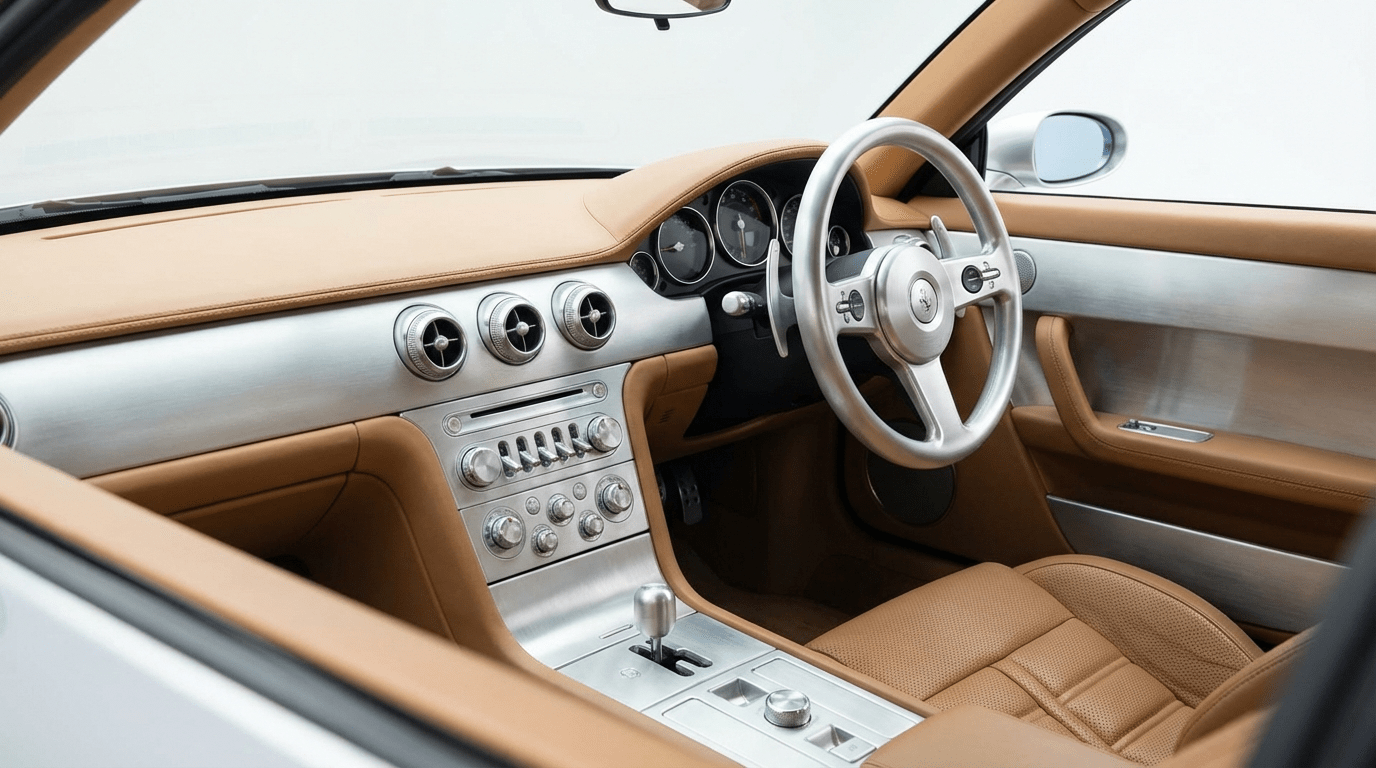
The ferrari luce ev interior makes an unmistakable statement against current EV design philosophy. While Tesla and competitors eliminated physical controls in favor of massive touchscreens, Ferrari embraced mechanical interaction. The cabin prioritizes buttons, dials, toggles, and switches that provide tactile feedback.
This approach reflects Jony Ive’s mature design philosophy. After defining smartphone minimalism at Apple, Ive has apparently reconsidered digital dominance in automotive contexts. The result is a cabin that feels analog in an increasingly digital world. Compare with Mercedes EQS luxury interior approach.
Critical Detail 2: Steering Wheel Engineering Marvel
The three-spoke steering wheel in the ferrari luce ev represents genuine engineering achievement rather than styling exercise. Constructed from 19 CNC-machined components using 100% recycled aluminum, the wheel weighs 400 grams less than standard Ferrari units.
The design draws inspiration from iconic 1950s/60s Nardi wooden wheels, creating deliberate connection to Ferrari’s heritage. Controls organize into two modules echoing Formula One cockpit layouts. Read about Polestar’s Scandinavian interior design philosophy.
Critical Detail 3: Revolutionary Key and Startup Ritual
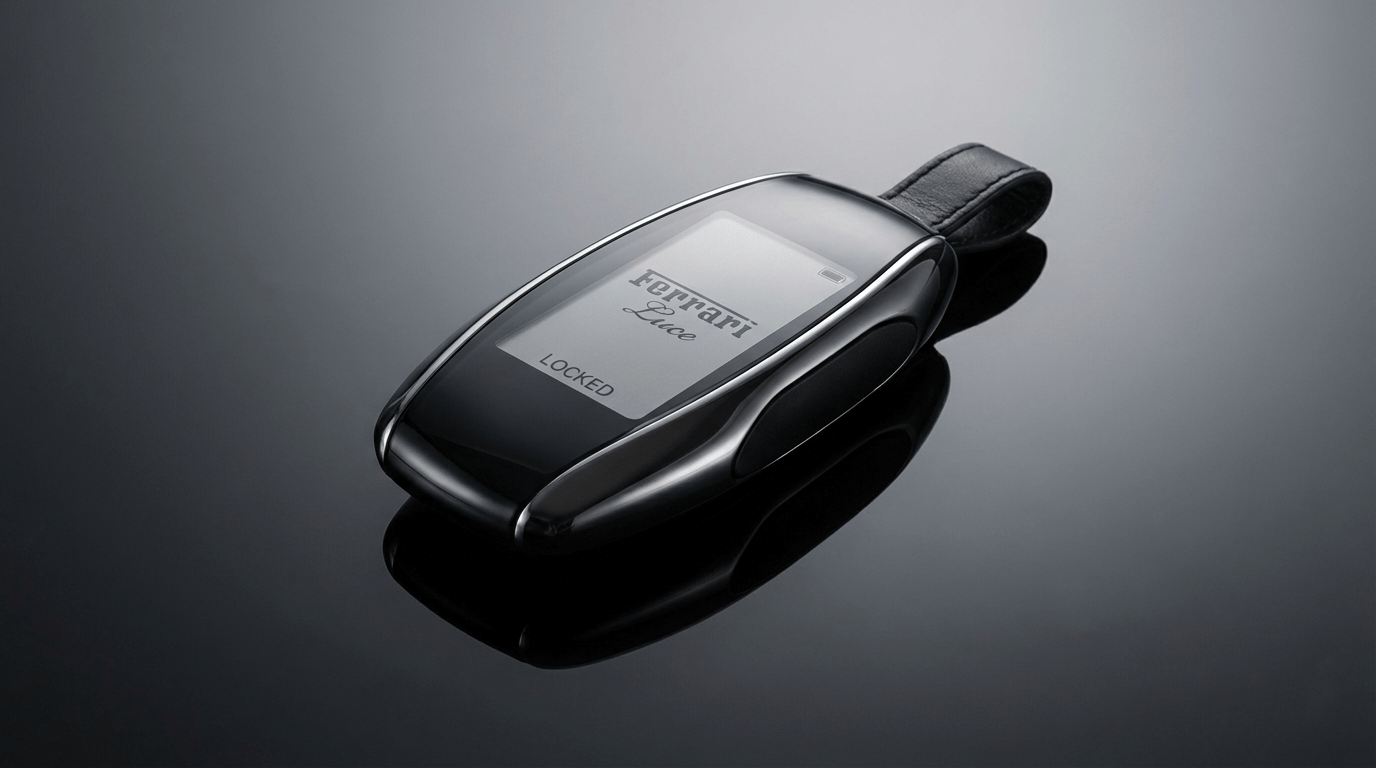
Ferrari transformed the mundane key into an automotive first. The ferrari luce ev key utilizes Corning Fusion5 Glass with an integrated E Ink display. When inserted into its dock, the display transitions from yellow to black while the cabin illuminates in a choreographed sequence.
This theatrical startup ritual addresses a genuine concern among enthusiasts: electric vehicles often feel emotionally detached. Check Tesla Model 3 Highland minimalist approach.
Critical Detail 4: World-First Display Technology
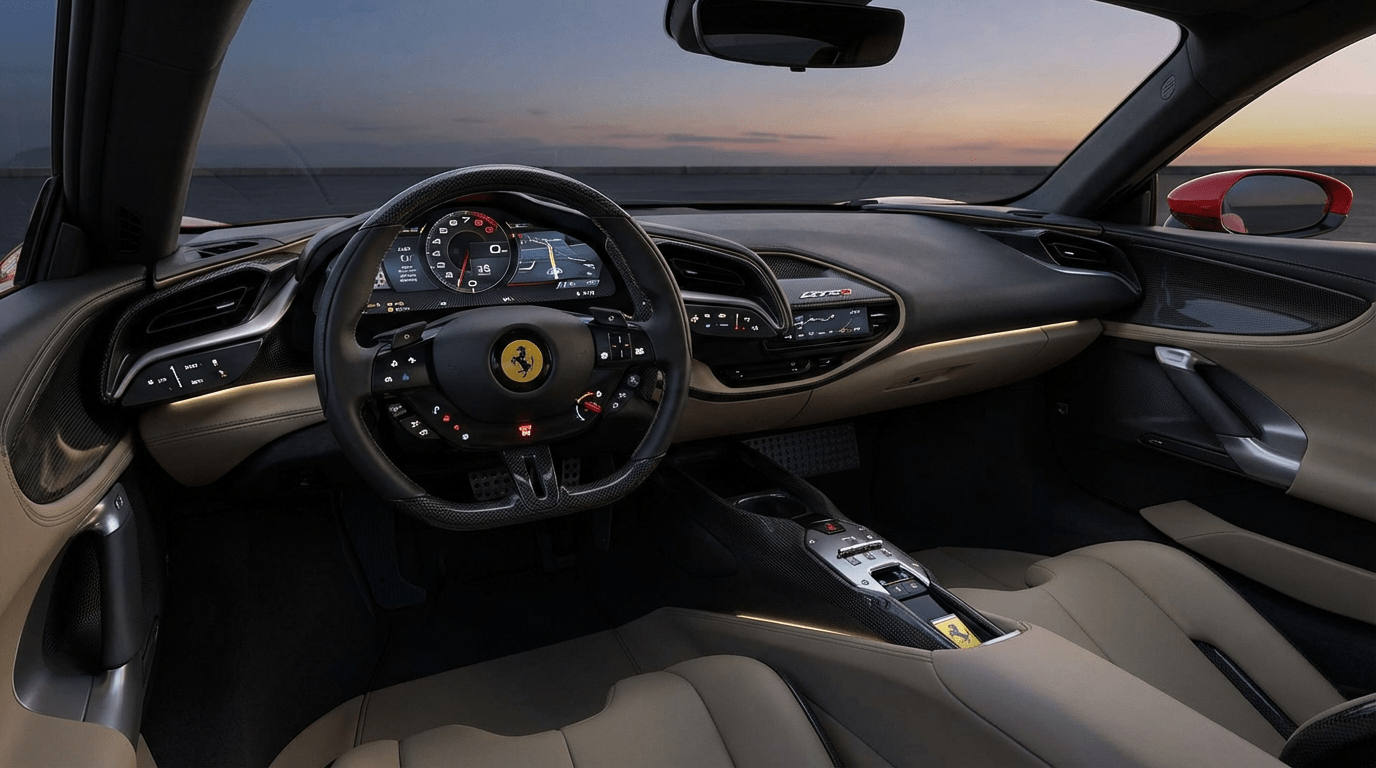
The instrument binnacle in the ferrari luce ev introduces display architecture without precedent. The system features two overlapping Samsung OLED panels with three precision cutouts revealing a secondary display behind.
Samsung Display engineers collaborated directly on the ultra-light panel development. Explore BYD’s technology integration strategies.
Critical Detail 5: Luce Philosophy and Performance
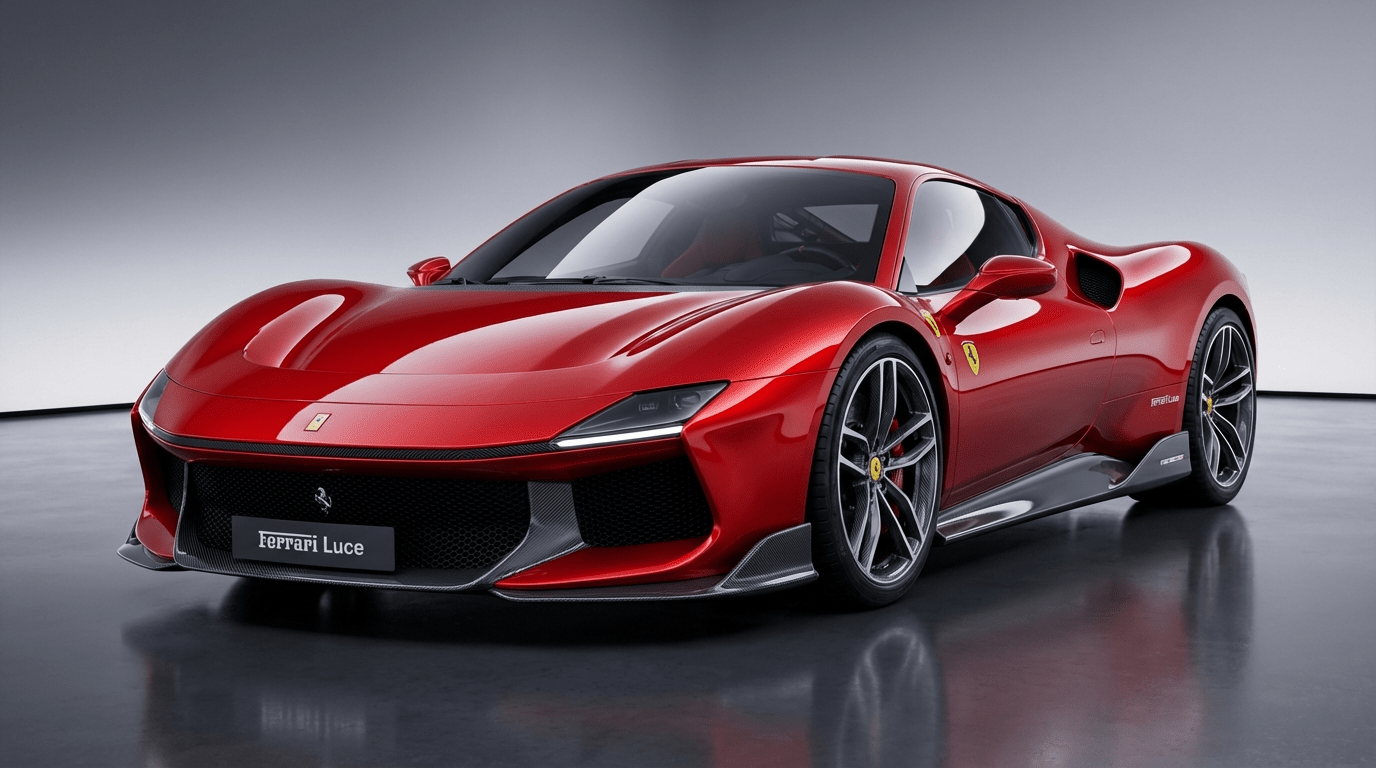
The name “Luce” encapsulates Ferrari’s electrification philosophy: electrification as a means, not an end. Performance specifications suggest output exceeding 1,000 horsepower through a quad-motor configuration. Learn about BMW i5 executive EV positioning.
Market Position and Competitive Implications
The ferrari luce ev enters a transforming supercar landscape. The Jony Ive partnership signals intent to lead design philosophy rather than follow Tesla’s minimalist template. Compare with Audi Q8 e-tron luxury positioning.
Key Takeaways
The ferrari luce ev challenges electric vehicle conventions through deliberate design choices. Check out Kia EV6 performance features for comparison.
Sources: Electrek and Automotive News.
Does Ferrari’s tactile approach appeal to you? Share your thoughts below.