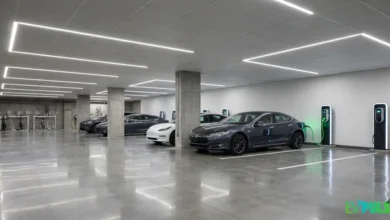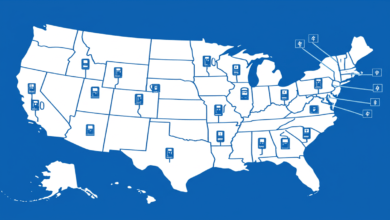
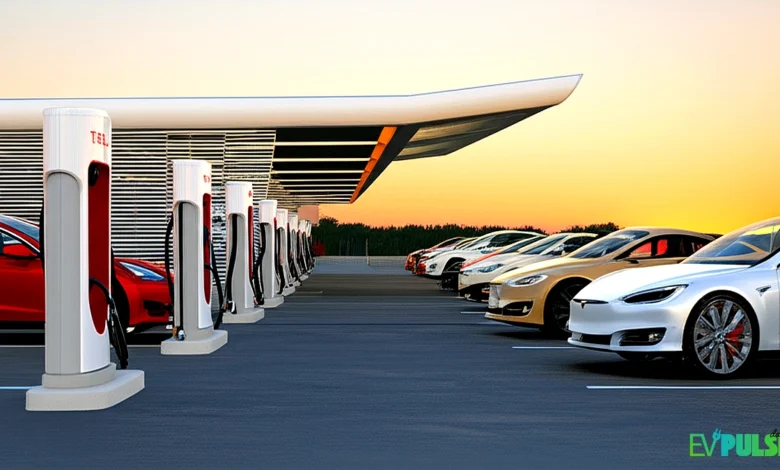
The transition to electric vehicle ownership hinges on one critical infrastructure element: ev charging stations. As 2026 approaches, the United States has surpassed 241,000 public charging ports across 81,000 stations—a 46% increase from 2024. Yet despite this growth, confusion persists about finding stations, understanding costs, and optimizing charging speeds. This comprehensive guide addresses the 15 critical factors every EV driver must understand to navigate the charging landscape confidently.
Whether you are considering your first electric vehicle or optimizing charging for an existing EV, understanding ev charging stations infrastructure proves essential for ownership satisfaction. The charging ecosystem has evolved dramatically, with new networks emerging, pricing structures changing, and charging speeds increasing. This guide cuts through complexity, providing actionable information that saves time, reduces costs, and eliminates range anxiety. Learn about NACS charging standard adoption that is reshaping the infrastructure landscape.
Understanding EV Charging Levels: The Foundation
EV charging stations operate at three distinct levels, each delivering different speeds and requiring different infrastructure. Understanding these levels helps drivers match charging options to their specific needs and time constraints.
Level 1 charging uses standard 120-volt household outlets, delivering 3-5 miles of range per hour. While impractical for daily charging of pure electric vehicles, Level 1 remains useful for plug-in hybrids with smaller batteries or emergency situations. Every EV includes a Level 1 charging cable, making this the most accessible but slowest option available.
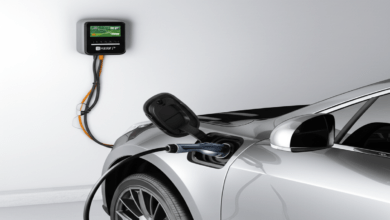
Level 2 charging represents the sweet spot for daily EV operation. Operating at 240 volts—similar to electric dryers or ovens—Level 2 ev charging stations deliver 20-60 miles of range per hour. Home Level 2 installation costs $500-2,000, depending on electrical panel capacity and installation complexity. Public Level 2 stations typically charge $0.20-0.40 per kWh, making them economical for extended parking situations. Review home EV charging installation options for residential solutions.
DC fast charging delivers the rapid replenishment that enables long-distance EV travel. These high-power ev charging stations convert AC power to DC before entering the vehicle, bypassing onboard charging limitations. Current standards deliver 150-350 kW, adding 200+ miles of range in 20-30 minutes. However, DC fast charging costs $0.35-0.60 per kWh—significantly more than Level 2 alternatives.
Major Charging Networks: Who Controls the Infrastructure
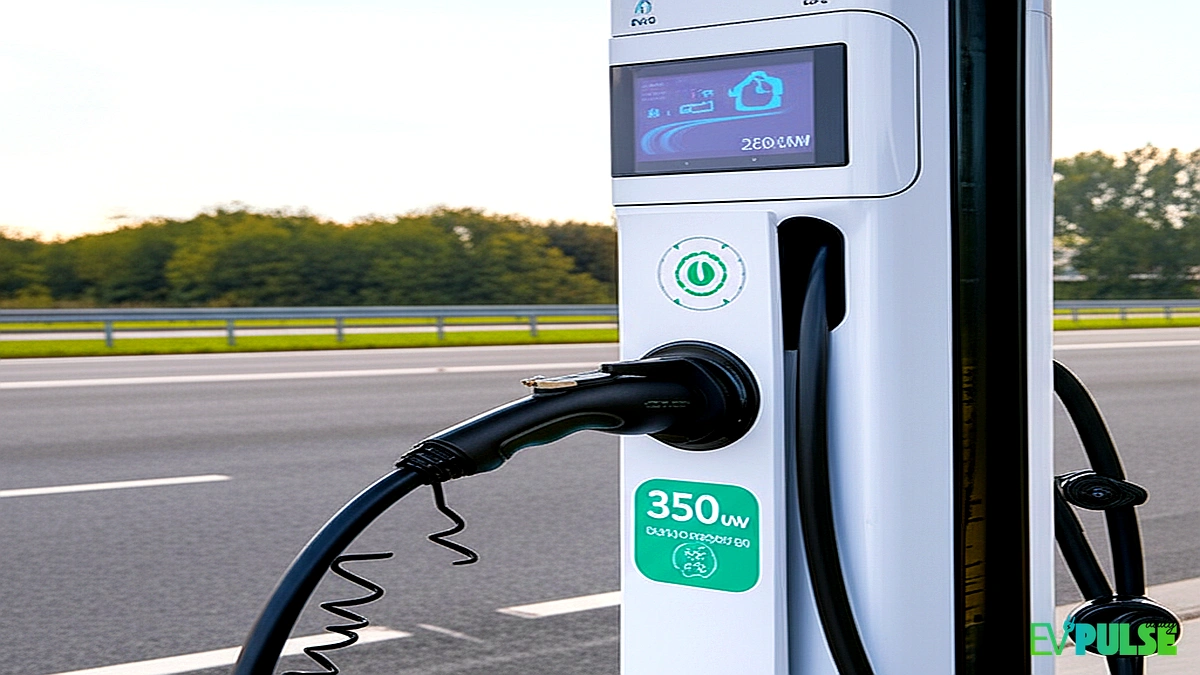
Tesla Supercharger network dominates ev charging stations in the United States with over 25,000 ports across 2,500+ locations. Originally exclusive to Tesla vehicles, the network now opens to other EVs through NACS adapter compatibility. Tesla advantage lies in reliability—98% uptime compared to 75-80% for many competing networks—and integrated navigation that preconditions batteries for optimal charging speeds.
Electrify America operates the largest open charging network with 800+ stations and 3,500+ individual ports. Funded by Volkswagen Dieselgate settlement, the network emphasizes highway corridors, enabling cross-country EV travel. Electrify America stations typically offer 150-350 kW charging, supporting the fastest-charging EVs currently available. However, reliability issues have plagued the network, with frequent out-of-service stations frustrating travelers. Explore battery health considerations for frequent fast charging.
ChargePoint operates the largest network by location count, with 28,000+ stations across North America. Unlike Tesla or Electrify America, ChargePoint primarily provides Level 2 charging, making it ideal for destination charging at workplaces, shopping centers, and hotels. The company mobile app provides real-time availability, though accuracy varies by location. Many ChargePoint stations operate on business property, with availability tied to business hours.
EVgo focuses on urban charging, with 950+ fast charging locations in major metropolitan areas. The network emphasizes 100% renewable energy sourcing, appealing to environmentally conscious drivers. EVgo pricing structure includes membership discounts that reduce per-kWh costs significantly for frequent users.
Finding Charging Stations: Tools and Apps That Work
Locating available ev charging stations requires reliable tools that provide real-time information about availability, pricing, and compatibility. Several applications have emerged as essential tools for EV owners navigating the charging landscape.
PlugShare stands as the most comprehensive charging station database, aggregating information from all major networks plus user-reported stations. The platform includes 400,000+ listings globally, with detailed filters for network, charging speed, and amenities. User reviews provide real-world insights about station reliability and surrounding businesses. PlugShare trip planner integrates charging stops into route planning, estimating charging times based on vehicle efficiency and desired arrival state of charge.
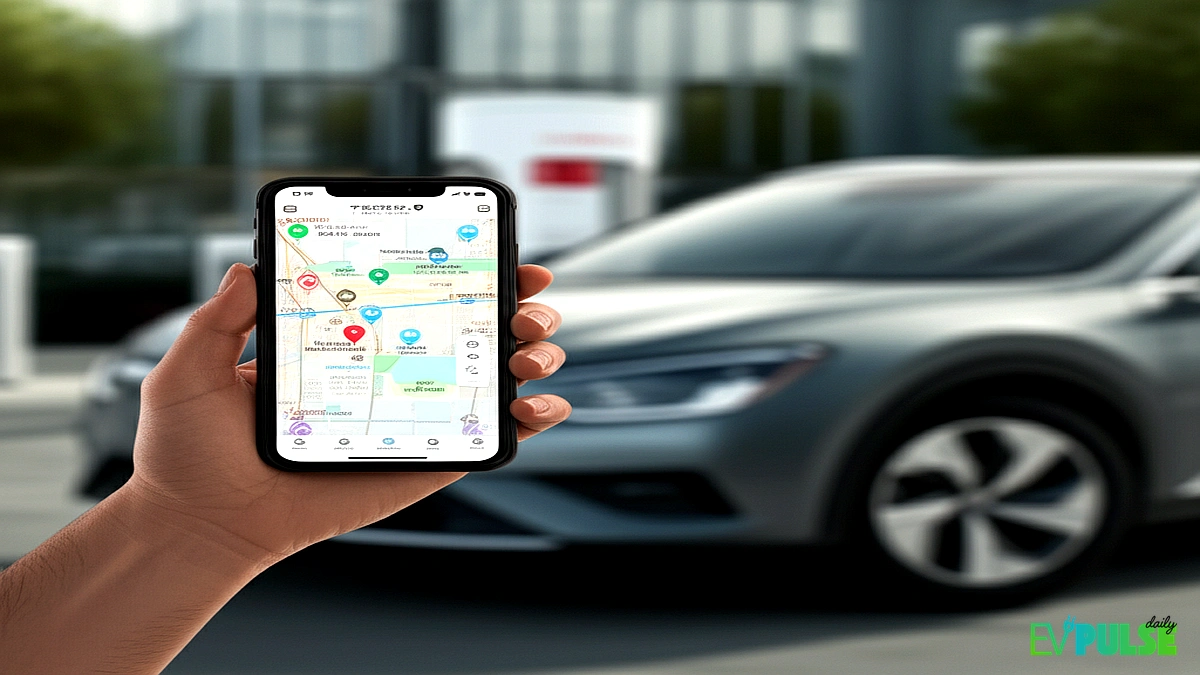
A Better Route Planner (ABRP) excels at long-distance trip planning, optimizing charging stops based on vehicle efficiency, elevation changes, and real-time weather conditions. The platform supports 100+ vehicle models with specific efficiency profiles, providing accurate range predictions that reduce range anxiety. ABRP integrates with Apple CarPlay and Android Auto, enabling in-vehicle navigation without phone mounting.
Vehicle-specific apps provide the most reliable integration. Tesla navigation system automatically routes through Superchargers, preconditioning batteries for optimal charging speeds. Ford FordPass app provides similar functionality for BlueOval Charging Network locations. GM myChevrolet app integrates charging into the ownership experience for Ultium platform vehicles.
Charging Costs: Understanding the Real Price of EV Fuel
Charging costs at ev charging stations vary dramatically based on location, network, and charging speed. Understanding these pricing structures helps drivers minimize fueling costs while maintaining convenience.
Home charging remains the most economical option, with national average electricity rates of $0.14 per kWh. A typical EV achieving 3.5 miles per kWh costs approximately $0.04 per mile when charged at home—equivalent to gasoline at $1.60 per gallon for a 40 MPG vehicle. Time-of-use rates in many regions reduce costs further, with overnight charging at $0.08-0.10 per kWh.
Public Level 2 charging costs $0.20-0.40 per kWh, roughly equivalent to $2-4 per gallon gasoline. While more expensive than home charging, Level 2 remains economical for occasional public charging during extended parking. Many workplaces offer free Level 2 charging as an employee benefit, effectively eliminating fuel costs for commuting.
DC fast charging represents the most expensive option, with rates of $0.35-0.60 per kWh. Tesla Supercharging costs $0.48-0.58 per kWh depending on location and time. Electrify America charges $0.43-0.59 per kWh, with membership discounts reducing costs by 25%. These rates equate to $4-7 per gallon gasoline equivalent—expensive but acceptable for occasional road trip charging. Compare total cost of ownership calculations for long-term savings analysis.
Charging Speed Optimization: Maximizing Efficiency
Charging speed depends on multiple factors beyond the ev charging stations maximum output. Understanding these variables helps drivers minimize charging time and maximize convenience.
Battery state of charge dramatically affects charging speed. Most EVs charge fastest between 10-50% state of charge, with speeds decreasing significantly above 80%. This “charging curve” means that charging from 10-80% takes roughly the same time as charging from 80-100%. For road trip efficiency, drivers should charge only to 80% unless reaching the next charging station requires additional range.
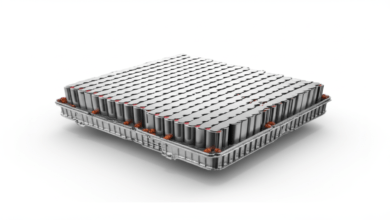
Battery temperature significantly impacts charging performance. Cold batteries below 50°F charge 30-50% slower than warm batteries at 70°F. Many EVs include battery preconditioning that warms the battery before DC fast charging, but this process consumes energy and time. Preconditioning while connected to Level 2 charging minimizes range impact.
Charging station power sharing affects real-world speeds. Stations with multiple cables often share power between ports, meaning a 150 kW station might deliver only 75 kW when both ports are occupied. Checking station specifications before arrival helps set realistic expectations. Data from Department of Energy provides charging infrastructure statistics and trends.
Future Developments: What is Coming to EV Charging
The ev charging stations landscape continues evolving rapidly, with several developments promising to transform the charging experience by 2027.
NACS (North American Charging Standard) adoption accelerates, with most major automakers committing to the Tesla-developed connector by 2025-2026. This standardization eliminates adapter requirements and enables universal access to Tesla reliable Supercharger network. The transition creates temporary complexity as automakers release NACS adapters for existing CCS-equipped vehicles.
350 kW charging becomes increasingly available, with newer stations supporting ultra-fast replenishment for compatible vehicles. Current EVs capable of accepting 350 kW charging include the Hyundai Ioniq 5, Kia EV6, and Porsche Taycan. Future vehicles will increasingly support these speeds, reducing charging stops to 15-20 minutes for 200+ miles of range.
Wireless charging pilots expand, with several cities testing inductive charging pads embedded in roadways. While consumer wireless charging remains limited to home installations, public wireless infrastructure could eventually enable charging while driving on equipped highway lanes.
Key Takeaways
Navigating ev charging stations requires understanding charging levels, network options, and cost structures that vary significantly across locations and providers. The charging infrastructure has matured substantially, with 241,000+ ports now available across the United States—enabling practical EV ownership for most Americans.
Home charging remains the most convenient and economical option, costing approximately $0.04 per mile compared to $0.10+ for public DC fast charging. Public charging networks vary dramatically in reliability and pricing, making app-based planning essential for stress-free travel. Tesla Supercharger network offers the best reliability, while Electrify America provides the fastest charging speeds for non-Tesla vehicles.
The charging experience will improve substantially through 2026-2027 as NACS standardization simplifies connector compatibility and 350 kW charging reduces replenishment times. For current and prospective EV owners, understanding charging infrastructure transforms potential anxiety into confident ownership—proving that the electric vehicle transition has reached practical maturity for mainstream adoption.