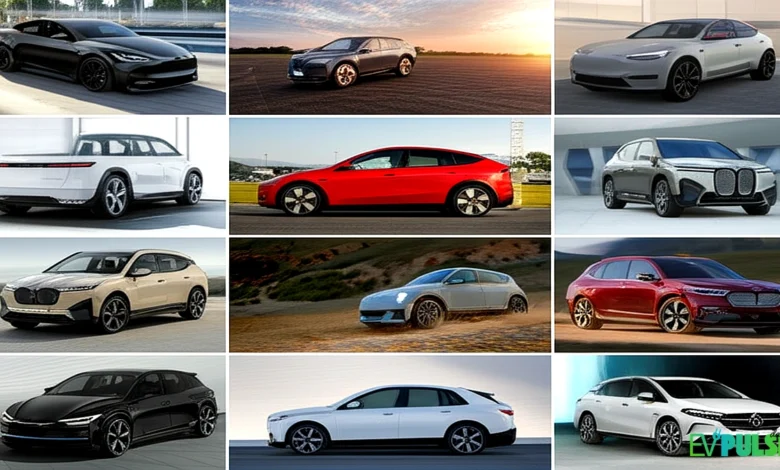
The electric suv revolution extends beyond environmental benefits. These vehicles offer superior acceleration, lower operating costs, reduced maintenance requirements, and increasingly competitive pricing that challenges traditional SUV economics. Federal tax credits up to $7,500 combined with state incentives in many regions make premium electric SUVs price-competitive with mid-range gasoline alternatives. For families, commuters, and adventure seekers alike, 2026 represents the inflection point where electric SUVs become the logical choice rather than the alternative.
Why Electric SUVs Dominate 2026
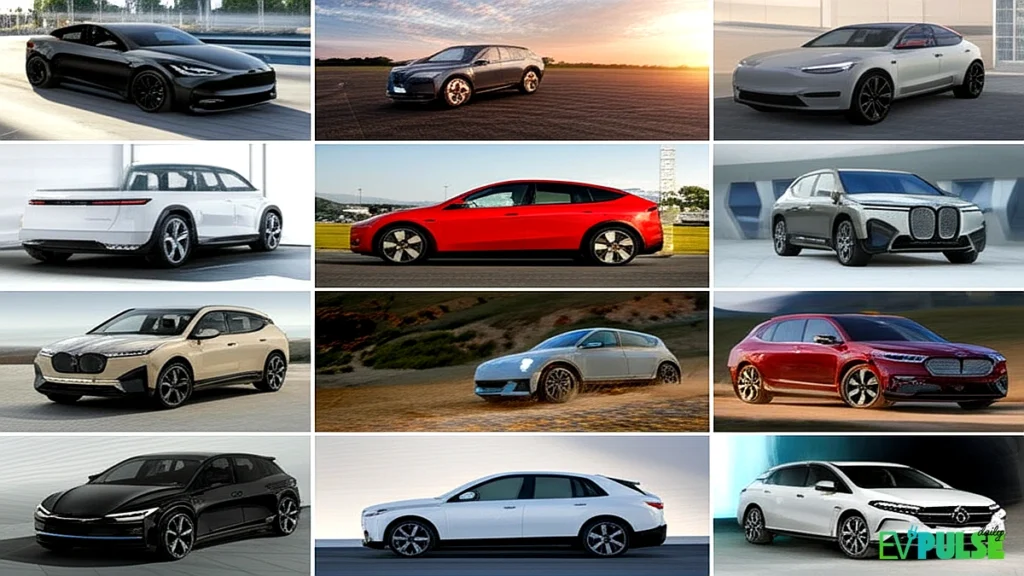
Several converging factors explain why electric suv sales have accelerated past sedan and hatchback alternatives. Consumer preference for elevated seating positions and cargo versatility remains strong, while environmental consciousness increasingly influences purchase decisions. The combination creates perfect market conditions for battery-powered SUVs that deliver both practical utility and emissions-free operation.
Total cost of ownership calculations heavily favor electric SUVs despite higher upfront pricing. Electricity costs average $0.04 per mile versus $0.12 for comparable gasoline SUVs, generating $1,200+ annual savings for typical drivers. Maintenance requirements drop dramatically: no oil changes, transmission service, or exhaust system repairs. Even brake pad replacements become rare thanks to regenerative braking systems that handle most deceleration. Over a five-year ownership period, electric suv economics consistently outperform gasoline alternatives despite sticker price premiums.
Charging infrastructure expansion has eliminated the primary barrier to electric suv adoption. The United States now hosts over 241,000 public charging ports, with DC fast charging stations spaced strategically along major highways. Home charging solutions enable daily replenishment for most drivers, while workplace and destination charging proliferate in urban areas. Range anxiety increasingly reflects outdated perceptions rather than current reality.
Comparison Methodology
Our electric suv evaluation process emphasizes real-world relevance over laboratory specifications. We weighted criteria based on actual ownership priorities revealed through surveys of current EV SUV drivers:
Range and Efficiency (25%): EPA-estimated range serves as baseline, but we prioritize real-world performance in varied conditions. Cold weather range retention, highway efficiency at 70+ mph, and charging curve characteristics matter more than single-cycle laboratory tests.
Charging Capability (20%): DC fast charging speeds determine road trip viability. We favor SUVs accepting 150+ kW charging rates that add 200+ miles in 20-30 minutes. Home charging compatibility and onboard charger capacity influence daily usability.
Interior Quality and Space (20%): Material quality, build tolerances, and ergonomic design separate premium electric suv offerings from economy alternatives. Cargo capacity with seats folded, rear legroom measurements, and technology integration determine family-friendliness.
Value and Features (20%): Price-to-performance ratios include federal tax credit eligibility, standard equipment levels, and warranty coverage. We evaluate each vehicle against similarly priced competitors rather than segment averages.
Performance and Dynamics (15%): Acceleration, handling confidence, and ride quality influence daily satisfaction. Electric motors deliver instantaneous torque that transforms SUV performance expectations.
Top 10 Electric SUVs Ranked
1. Tesla Model Y Long Range: The Benchmark
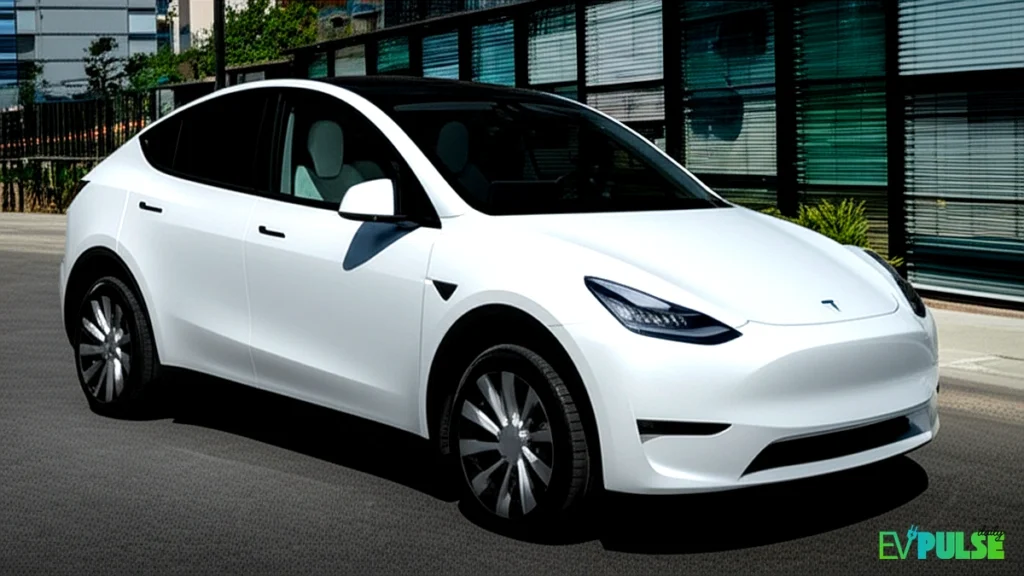
The Tesla Model Y Long Range remains the electric suv sales leader for compelling reasons. With 330 miles of EPA-estimated range and access to Tesla’s 25,000+ Supercharger network, it eliminates range anxiety more effectively than any competitor. Dual-motor all-wheel drive delivers 384 horsepower and 4.8-second 0-60 mph acceleration—performance that embarrasses many sports cars.
Tesla’s technology integration sets the standard for connected vehicles. The 15-inch touchscreen controls virtually all functions, while over-the-air updates continuously add capabilities. Autopilot standard equipment provides genuine driver assistance on highways, though Full Self-Driving remains an expensive option of questionable value. The minimalist interior polarizes opinions: some appreciate the clean aesthetic, others miss physical controls for common functions.
Build quality has improved significantly since early production, though panel gaps and paint quality occasionally trail German competitors. The Model Y’s 76 cubic feet of maximum cargo space accommodates family needs, while the front trunk adds weatherproof storage. At $48,990 after federal tax credits, the Model Y delivers exceptional value considering its comprehensive capabilities. For buyers prioritizing charging convenience and technology leadership, no electric suv matches Tesla’s ecosystem. Learn about home charging solutions in our Tesla Home Charger Analysis.
2. Kia EV9: The Value Champion
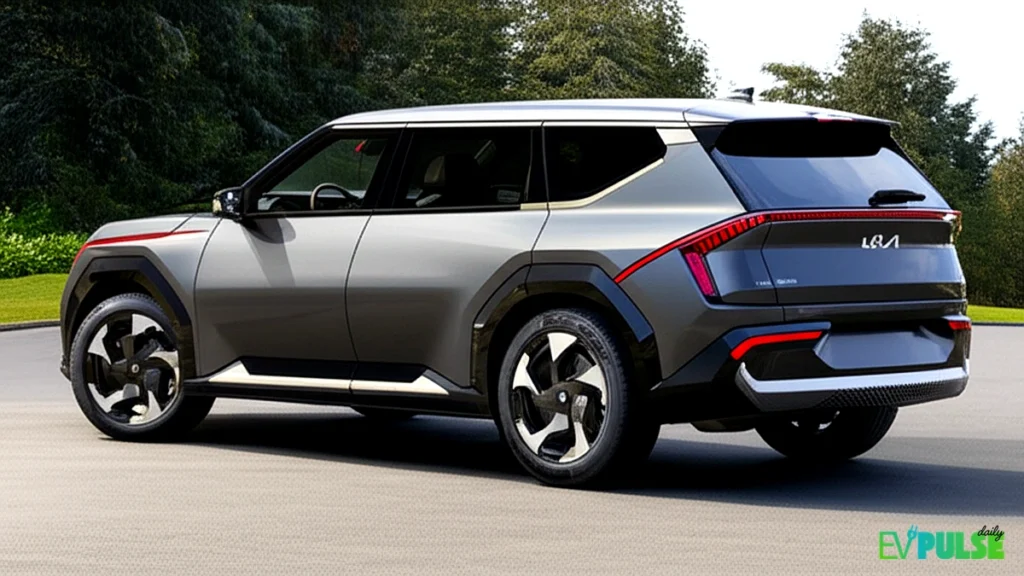
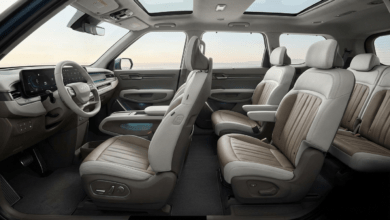
The Kia EV9 redefines expectations for affordable three-row electric suv transportation. Starting at $54,900 before incentives, the EV9 becomes $47,400 after federal credits—making genuine seven-passenger electric capability accessible to mainstream buyers. The 304-mile range from the 99.8 kWh battery enables family road trips without compromise.
Design distinction separates the EV9 from anonymous SUV styling. Angular lines, distinctive lighting signatures, and available two-tone color schemes create visual presence missing from conservative competitors. The interior showcases Kia’s upward trajectory: sustainable materials, intuitive controls, and available massage seats elevate the experience beyond price-point expectations.
Charging at 350 kW DC fast chargers adds approximately 150 miles of range in 18 minutes—among the fastest charging speeds available. Kia’s 10-year/100,000-mile powertrain warranty provides ownership confidence that luxury brands cannot match. For families needing three-row capability without luxury pricing, the EV9 represents the definitive electric suv value proposition. Compare with other affordable options in our Cheapest Electric Cars Analysis.
3. BMW iX: German Engineering Excellence
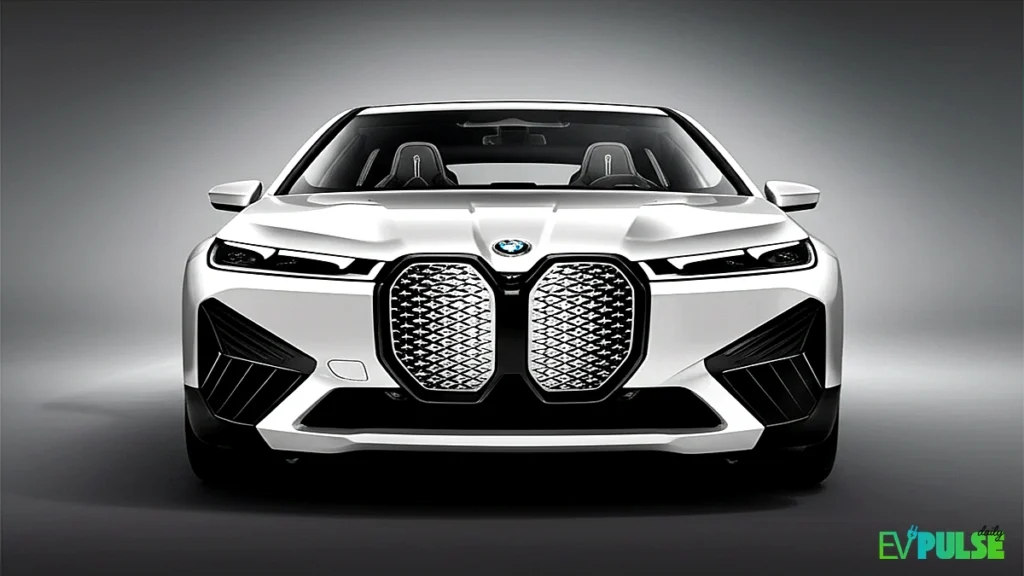
The BMW iX represents German engineering applied to electric mobility without compromise. Starting at $87,100, the iX targets luxury buyers seeking distinctive design and exceptional build quality. The controversial kidney grille actually houses sensors and cameras, serving functional purposes beyond aesthetic statement.
Interior quality rivals vehicles costing significantly more. Sustainably sourced materials—including recycled plastics and responsibly harvested wood—create ambiance that synthetic alternatives cannot replicate. The curved display combines 12.3-inch instrument cluster and 14.9-inch infotainment into seamless technology integration. iDrive 8 provides intuitive control once learned, though the learning curve frustrates initially.
With 307 miles of range and 200 kW DC fast charging, the iX eliminates practical concerns for luxury buyers. Dual-motor all-wheel drive produces 516 horsepower in xDrive50 trim, delivering 4.4-second 0-60 mph acceleration. For buyers prioritizing refinement and brand prestige, the iX justifies premium pricing through genuine quality advantages.
4. Ford Mustang Mach-E: American Performance
The Ford Mustang Mach-E channels pony car heritage into electric suv practicality. Starting at $42,995 after federal incentives, the Mach-E delivers 247-312 miles of range depending on battery selection. GT Performance Edition produces 480 horsepower and 3.5-second 0-60 mph acceleration—legitimate sports car performance from a family SUV.
Ford’s BlueCruise hands-free driving system impresses on divided highways, providing genuine autonomy in approved zones. The 15.5-inch portrait touchscreen runs intuitive software that improves continuously through updates. Build quality has improved substantially since 2021 introduction, addressing early production issues.
The Mach-E’s 59.7 cubic feet of cargo space accommodates active lifestyles, while available all-wheel drive handles inclement weather. For American buyers wanting domestic brand loyalty without Tesla’s minimalism, the Mach-E delivers compelling alternatives.
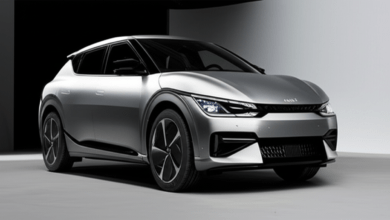
5. Hyundai Ioniq 5: Design Innovation
Hyundai’s Ioniq 5 demonstrates that mainstream brands can deliver distinctive electric suv design. The retro-futuristic aesthetic references 1980s hatchbacks while incorporating cutting-edge technology. Starting at $41,800 after incentives, the Ioniq 5 offers 220-303 miles of range depending on configuration.
The 800-volt architecture enables 350 kW DC fast charging, adding 60 miles of range in just five minutes—faster than any competitor near this price point. Vehicle-to-load capability allows the Ioniq 5 to power camping equipment, tools, or even home appliances during outages. Interior space maximizes the dedicated EV platform, with flat floors and sliding rear seats providing exceptional versatility.
Hyundai’s 10-year/100,000-mile battery warranty matches Kia’s industry-leading coverage. For buyers prioritizing charging speed and unique design without luxury pricing, the Ioniq 5 delivers exceptional value.
6. Mercedes EQS SUV: Luxury Redefined
The Mercedes EQS SUV represents the pinnacle of electric luxury, starting at $104,400. With 305 miles of range and 200 kW charging, practical concerns disappear for buyers prioritizing prestige. The Hyperscreen—a pillar-to-pillar glass dashboard—creates technological theater unmatched by competitors.
Build quality exceeds even BMW’s impressive standards, with materials and assembly precision justifying premium pricing. Rear-axle steering enables surprising maneuverability for a vehicle of this size. The EQS SUV targets buyers who would otherwise consider Range Rover or Bentley, offering emissions-free alternatives without capability compromise.
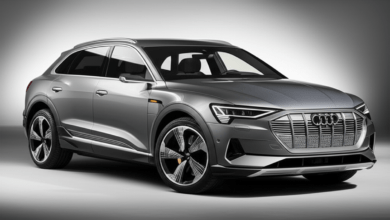
7. Audi Q8 e-tron: Refined Performance
Audi’s Q8 e-tron refines the original e-tron formula with improved efficiency and range. Starting at $74,400, the Q8 e-tron delivers 285 miles of EPA-estimated range with genuine luxury appointments. Quattro all-wheel drive provides weather confidence, while adaptive air suspension delivers ride quality matching segment expectations.
The Virtual Cockpit digital instrument cluster remains industry-leading for clarity and customization. Build quality meets Audi’s exacting standards, with interior materials and assembly precision justifying premium positioning over mainstream alternatives.
8. Volkswagen ID.4: Accessible Electrification
The Volkswagen ID.4 brings electric suv capability to mainstream buyers with $38,995 starting price after incentives. The 209-275 mile range accommodates daily needs, while 170 kW charging enables reasonable road trip capability. Interior space maximizes the dedicated EV platform, with rear-seat legroom exceeding many larger SUVs.
Build quality reflects Volkswagen’s manufacturing expertise, with consistent panel gaps and material quality throughout. The ID.4 targets buyers wanting electric transition without luxury pricing or Tesla’s learning curve.
9. Cadillac Lyriq: American Luxury Returns
Cadillac’s Lyriq demonstrates that American luxury can compete with German dominance. Starting at $58,590, the Lyriq delivers 314 miles of range with distinctive styling that attracts attention. The 33-inch curved display creates technological presence, while Super Cruise enables genuine hands-free highway driving.
Interior materials and build quality represent Cadillac’s renaissance, with genuine competitive advantages over established German alternatives. For buyers wanting domestic luxury with electric powertrains, the Lyriq delivers compelling alternatives.
10. Rivian R1S: Adventure Capability
The Rivian R1S targets outdoor enthusiasts needing genuine off-road capability. Starting at $74,800, the R1S delivers 270-400 miles of range with standard all-wheel drive and adjustable air suspension. Quad-motor configuration provides tank-turn capability and exceptional traction in challenging terrain.
The Gear Tunnel—storage compartment running through the vehicle—accommodates adventure equipment that would compromise interior space in conventional SUVs. For buyers prioritizing wilderness exploration over pavement refinement, the R1S offers unmatched electric suv capability.
Side-by-Side Comparison
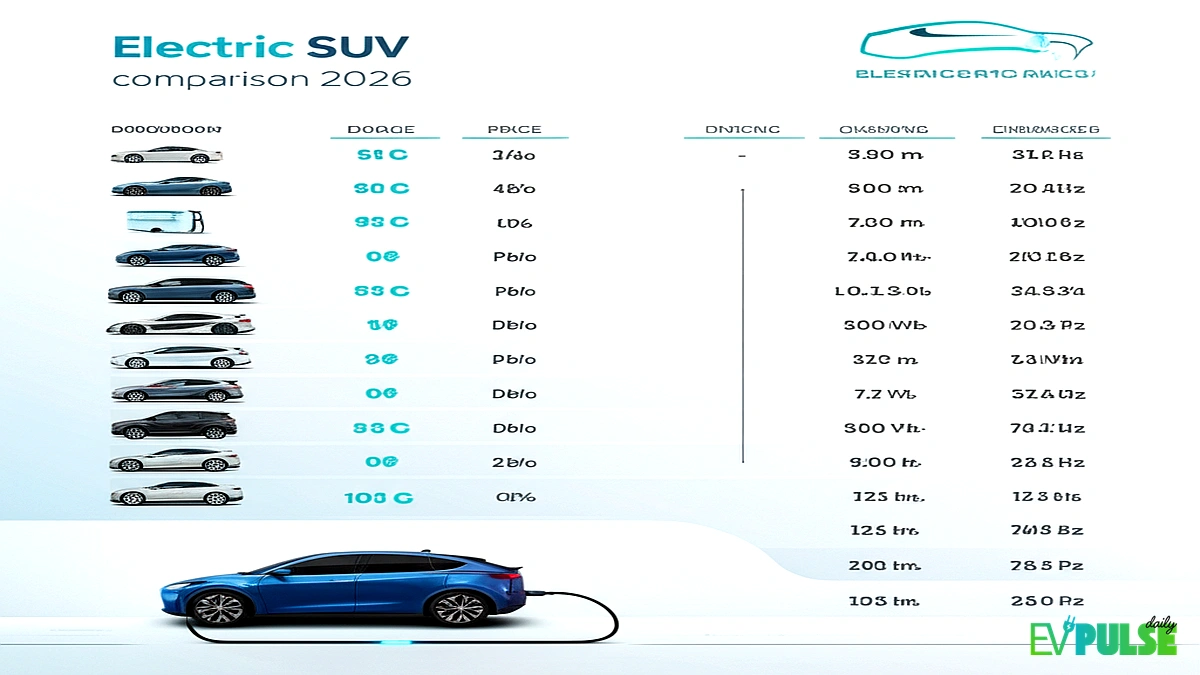
| Model | Starting Price | Range | Charging Speed | 0-60 mph | Key Strength |
|---|---|---|---|---|---|
| Tesla Model Y | $41,490 | 330 mi | 250 kW | 4.8s | Charging network |
| Kia EV9 | $47,400 | 304 mi | 350 kW | 5.0s | Value / 3-row space |
| BMW iX | $79,600 | 307 mi | 200 kW | 4.4s | Luxury quality |
| Ford Mach-E | $42,995 | 247-312 mi | 150 kW | 3.5-5.8s | Performance value |
| Hyundai Ioniq 5 | $41,800 | 220-303 mi | 350 kW | 5.0s | Charging speed |
| Mercedes EQS SUV | $96,900 | 305 mi | 200 kW | 4.5s | Ultimate luxury |
| Audi Q8 e-tron | $66,900 | 285 mi | 170 kW | 5.6s | Refined quality |
| VW ID.4 | $38,995 | 209-275 mi | 170 kW | 7.4s | Accessibility |
| Cadillac Lyriq | $51,090 | 314 mi | 190 kW | 5.2s | American luxury |
| Rivian R1S | $67,300 | 270-400 mi | 220 kW | 3.0s | Off-road capability |
Which Electric SUV Should You Buy?
Selecting the ideal electric suv requires honest assessment of priorities and budget constraints. Our recommendations based on specific needs:
Best Overall Value: Kia EV9 delivers three-row capability, exceptional warranty, and comprehensive features at $47,400. For families needing space without luxury pricing, no competitor matches this combination.
Best for Road Trips: Tesla Model Y’s Supercharger network access eliminates charging anxiety more effectively than any alternative. The 330-mile range and 250 kW charging speeds enable genuine gasoline-free travel.
Best Luxury Experience: BMW iX justifies premium pricing through exceptional build quality and distinctive design. For buyers prioritizing refinement over value, German engineering delivers satisfaction.
Best Performance Value: Ford Mustang Mach-E GT provides 3.5-second acceleration at half the price of luxury performance SUVs. American muscle heritage translates effectively to electric powertrains.
Best Budget Option: Volkswagen ID.4 makes electric transition accessible without luxury pricing or Tesla’s minimalism. Mainstream buyers find familiar functionality with zero-emission benefits.
Frequently Asked Questions
What is the cheapest electric SUV 2026?
The Volkswagen ID.4 starts at $38,995 after federal tax credits, making it the most affordable electric suv with genuine utility. However, total cost of ownership calculations favor the Kia EV9 for buyers needing three-row capability, as superior efficiency and warranty coverage offset higher purchase prices over time.
Which electric SUV has longest range?
The Rivian R1S with Max Pack battery delivers 400 miles of EPA-estimated range—longest among electric suv offerings. However, this configuration costs significantly more than base models. The Tesla Model Y Long Range offers 330 miles at more accessible pricing, representing optimal range-to-value ratio for most buyers.
Are electric SUVs reliable?
Electric SUVs demonstrate superior reliability compared to gasoline alternatives due to mechanical simplicity. With fewer moving parts, no transmission, and regenerative braking reducing brake wear, maintenance requirements drop substantially. Battery degradation concerns have proven largely unfounded, with manufacturers offering 8-10 year warranties providing ownership confidence.
How long do electric SUV batteries last?
Current data suggests modern electric suv batteries retain 80%+ capacity after 200,000+ miles under normal usage. Manufacturers warranty batteries for 8-10 years or 100,000-150,000 miles, guaranteeing replacement if degradation exceeds specified thresholds. Real-world performance typically exceeds warranty guarantees significantly.
Final Thoughts
The electric suv market has matured beyond early adopter appeal into genuine mainstream viability. From affordable family transportation at $38,995 to ultimate luxury exceeding $100,000, battery-powered SUVs now span every price segment and use case. Our analysis demonstrates that optimal choice depends on specific priorities: charging convenience favors Tesla, value champions Kia, luxury seekers find satisfaction in BMW and Mercedes, while performance enthusiasts discover compelling options from Ford and Rivian.
Total cost of ownership calculations increasingly favor electric alternatives despite higher upfront pricing. Fuel savings, reduced maintenance, and tax incentives combine to offset purchase premiums within 3-5 years for typical drivers. As charging infrastructure expands and battery technology advances, electric suv adoption accelerates beyond environmental motivation into pure economic rationality.
For buyers considering the transition, 2026 represents optimal timing. Current generation vehicles eliminate early adopter compromises while federal incentives remain available. The ten vehicles examined here provide starting points for every budget and priority, each delivering zero-emission transportation without sacrifice. The electric suv revolution has arrived—not as future promise, but as present reality available at dealerships today.
For comprehensive charging infrastructure information, visit the Department of Energy Alternative Fuels Data Center. Explore home charging solutions in our EV Home Charging Installation Guide and compare total ownership costs in our EV vs Gas TCO Analysis.