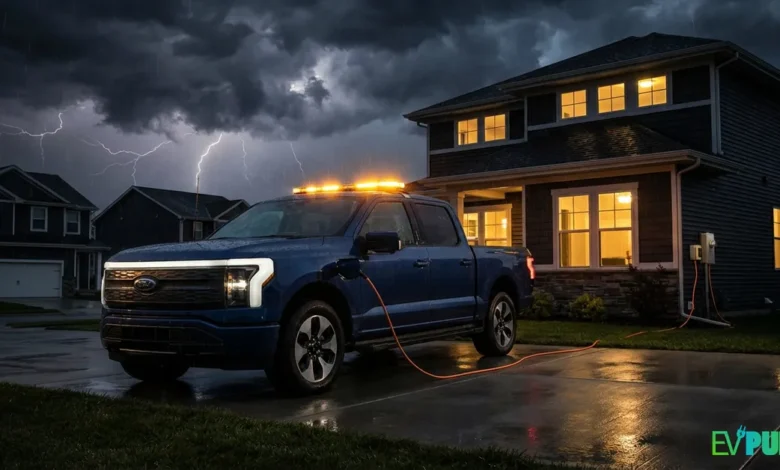
Vehicle to Home V2H 2026 technology is transforming how we think about electric vehicles. Your EV is not just transportation anymore—it is a massive battery on wheels that can power your entire house during blackouts. When Hurricane Maya knocked out power to 2.3 million homes in Florida last month, owners of Ford F-150 Lightning trucks kept their air conditioning running for three straight days while their neighbors sat in the dark.
This is not science fiction. Ford, Tesla, and Nissan have all released bidirectional charging systems that let your car flow electricity back into your home. Here is exactly how it works, what it costs, and whether you should invest in 2026.
What Is Vehicle to Home V2H Technology?
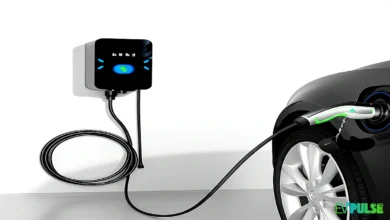
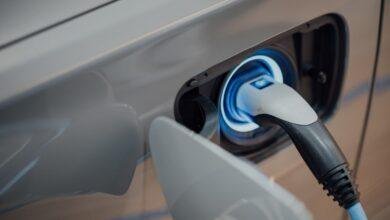
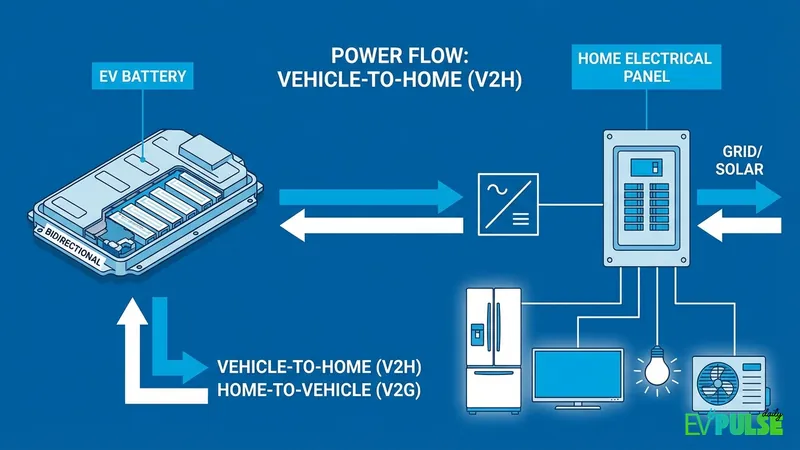
Traditional EV charging is one-way: power flows from your wall to your car battery. V2H—also called bidirectional charging—flips that relationship. Your EV becomes a mobile power station that can feed electricity back into your house through a special inverter system.
A typical electric vehicle battery stores 60-130 kWh of energy. To put that in perspective, the average American home uses about 30 kWh per day. Do the math: your EV can power your house for 2-4 days during an outage, depending on your energy usage and battery size.
Ford F-150 Lightning: The Vehicle to Home V2H Pioneer
Ford jumped into V2H early with their Intelligent Backup Power system. Every F-150 Lightning comes standard with bidirectional charging capability, making it the most accessible V2H solution on the market in 2026.
The Lightning 131 kWh extended-range battery can power the average home for up to three days. During the Texas ice storms in January 2026, Lightning owners reported keeping their homes fully operational while the grid failed around them.
Ford system requires professional installation of their Home Integration Kit, which costs $3,895 plus installation. That includes the 80-amp charging station and automatic transfer switch. Expensive? Yes. But compare that to a Tesla Powerwall battery system at $11,500, and the Lightning starts looking like a bargain.
Tesla PowerShare: The New Contender
Tesla finally entered the V2H race in late 2025 with their PowerShare system. Unlike Ford approach, Tesla requires the $3,000 Powerwall 3 as an intermediary between your car and home.
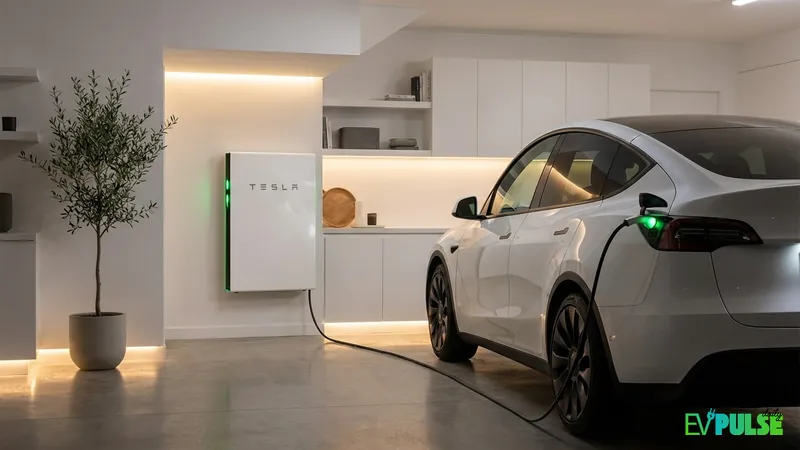
The advantage? Your home stays powered even when you drive away. The Powerwall maintains backup reserves while your car handles extended outages. The disadvantage? You are paying for both a Powerwall and V2H capability. Total system cost runs $14,500 before installation.
Nissan Leaf: The Affordable Vehicle to Home V2H Option
While Ford and Tesla grab headlines, Nissan actually pioneered consumer V2H technology with their Leaf-to-Home system in Japan back in 2012. The 2026 Nissan Leaf offers the most affordable entry point into bidirectional charging.
Is V2H Worth It? The Honest Cost Analysis
Let us talk numbers because Vehicle to Home V2H is not cheap. Here is what you are actually looking at:
Ford F-150 Lightning Route:
Home Integration Kit: $3,895
Professional installation: $1,500-2,500
Total: $5,400-6,400
Plus the truck itself: $62,000+
Tesla PowerShare Route:
Powerwall 3: $11,500
V2H hardware: $3,000
Installation: $2,000-4,000
Total: $16,500-18,500
Traditional Generator Comparison:
A whole-home natural gas generator costs $8,000-15,000 installed. It runs on fossil fuels but provides unlimited runtime as long as gas flows. According to Energy.gov, the average generator runs 100 hours per year during outages.
The Hidden Benefit: Grid Services and Income
Here is what most people miss: V2H can actually make you money. Several utilities now offer Vehicle-to-Grid (V2G) programs that pay EV owners for feeding power back into the grid during peak demand.
California Emergency Load Reduction Program pays $2 per kWh sent back to the grid during grid emergencies. NREL research shows that widespread V2H adoption could reduce grid infrastructure costs by $15 billion annually.
Should You Invest in V2H for 2026?
Get V2H if:
– You live in an area with frequent outages (Texas, California, Florida)
– You already own or plan to buy a compatible EV
– You work from home and cannot afford downtime
Skip V2H if:
– Your power grid is stable (Pacific Northwest, Northeast)
– You rarely experience outages
– You are on a tight budget
The Bottom Line: V2H Changes Everything
Vehicle to Home V2H 2026 technology fundamentally changes the relationship between transportation and energy. Your EV becomes a mobile power plant that happens to have wheels. During emergencies, that capability is priceless.
As climate change increases extreme weather events and grid strain grows from electrification, V2H is not just a convenience—it is becoming essential infrastructure. Ford, Tesla, and Nissan are just the beginning. GM, Hyundai, and Volkswagen have all announced V2H-compatible vehicles launching in 2027.
Are you ready to turn your EV into your home backup power plant?