Audi’s flagship electric SUV represents either the perfect fusion of luxury and sustainability or an $78,000 exercise in compromise—depending entirely on your priorities. After spending two weeks with the 2026 audi q8 e-tron, including highway road trips, daily commuting, and everything between, the verdict reveals a vehicle that excels precisely where expected while delivering genuine surprises in unexpected areas.
The Q8 e-tron replaces the original e-tron SUV that launched Audi’s electric offensive back in 2019. For 2026, Audi addressed criticisms with a larger 114 kWh battery pack, improved aerodynamics, and comprehensive technology upgrades. Compare with other luxury EV reviews to see how it stacks up.
Design: Conservative Excellence
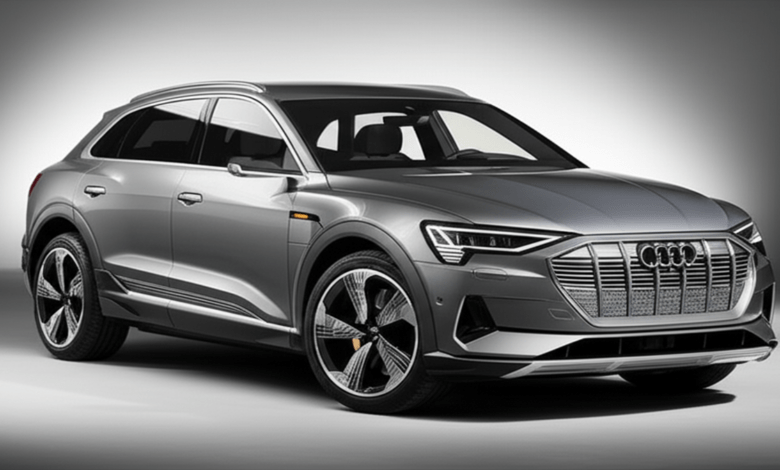
Approaching the audi q8 e-tron, you’re greeted by familiar Audi design language that prioritizes sophistication over shock value. The single-frame grille, now filled with textured panels rather than air intakes, maintains brand identity while signaling electric propulsion. Matrix LED headlights cut distinctive signatures at night.
The side profile reveals Audi’s attention to aerodynamic efficiency. A drag coefficient of 0.27 represents significant improvement over the previous e-tron’s 0.30. Active grille shutters, underbody panels, and carefully sculpted mirrors all contribute to highway efficiency. The design feels timeless—this vehicle will look contemporary five years from now rather than dated.
Interior: Audi’s Greatest Strength
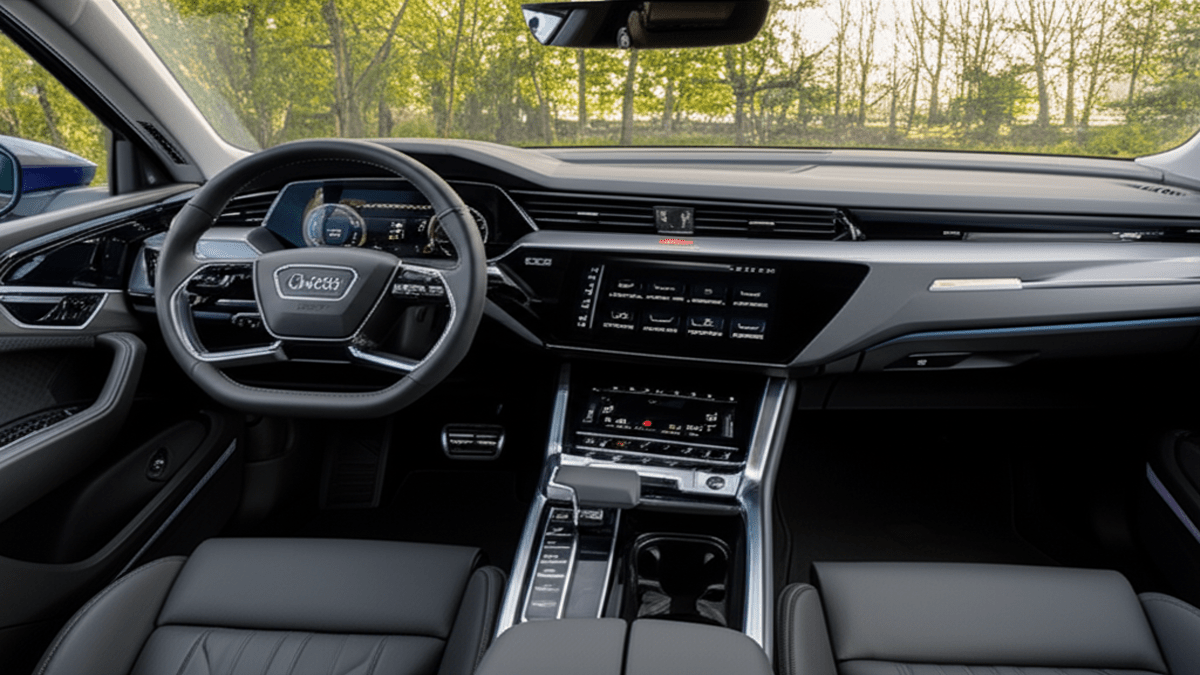
Open the door and the audi q8 e-tron immediately establishes itself as a legitimate luxury vehicle. Materials quality rivals the A8 flagship sedan, with genuine leather, open-pore wood, and brushed aluminum combining in combinations that feel expensive rather than merely costly.
The dashboard features Audi’s latest MMI touch response system—dual screens that provide haptic feedback when pressed. The Virtual Cockpit digital instrument cluster remains industry-leading, offering crisp graphics and configurable layouts. Learn more about EV technology in our 800V architecture guide.
Space impresses throughout. Rear passengers enjoy genuine luxury accommodations with heated seats, independent climate controls, and USB-C charging ports. The cargo area offers 29 cubic feet with seats up, expanding to 57 cubic feet folded—practical numbers that accommodate real family needs.
Performance: Silent Competence
The dual-motor quattro system produces 402 horsepower and 490 lb-ft of torque in boost mode—enough for 0-60 mph in 5.4 seconds. While not Tesla-quick, this acceleration proves more than adequate for any real-world scenario. Air suspension comes standard, adapting continuously to road conditions and driving modes.
The regenerative braking system deserves special mention. Audi allows drivers to adjust recuperation strength via steering wheel paddles—a level of control that Tesla doesn’t offer. One-pedal driving is possible in maximum regen mode.
Range and Charging: Finally Competitive
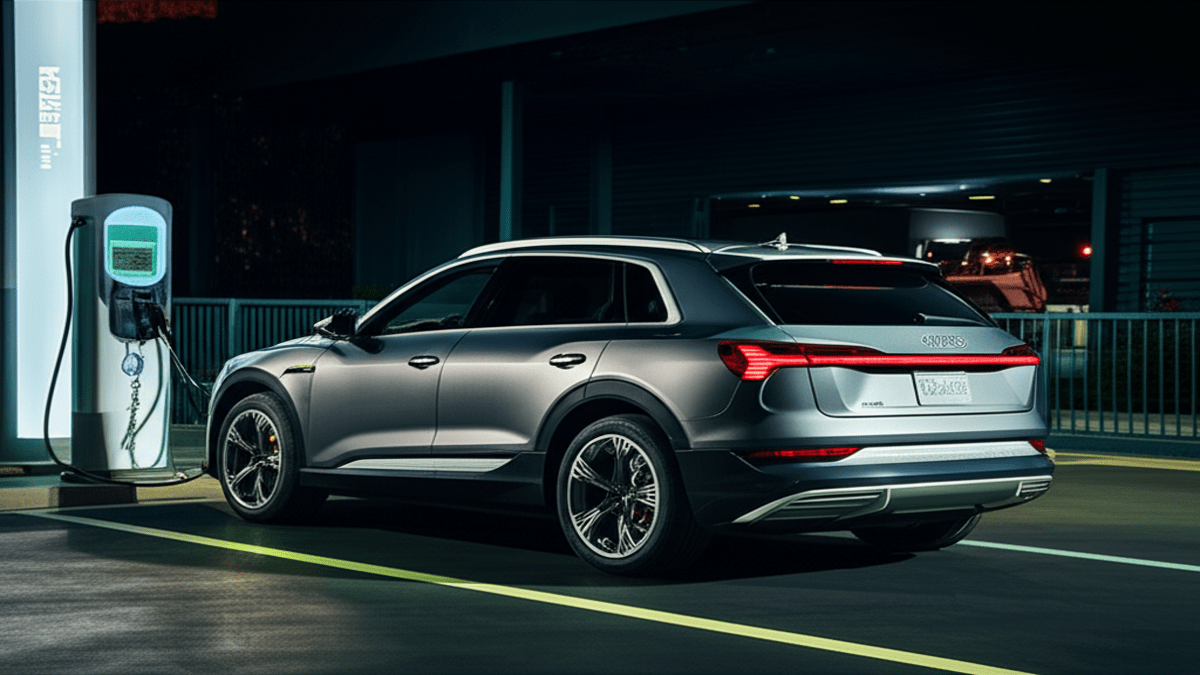
The EPA rates the audi q8 e-tron at 285 miles of range—respectable if not class-leading. In real-world testing, I achieved 270-290 miles depending on conditions. The larger 114 kWh battery pack represents a significant upgrade from the previous generation’s 95 kWh capacity. Find charging stations easily with our EV charging guide.
DC fast charging reaches 170 kW, adding approximately 80 miles of range in 10 minutes under ideal conditions. The included Electrify America partnership provides three years of complimentary 30-minute charging sessions. Home charging via the 11 kW onboard charger fully replenishes the battery in approximately 10 hours.
Technology: Comprehensive but Complex
Audi packed the audi q8 e-tron with technology, not all of it successfully implemented. The Bang & Olufsen 3D sound system with 16 speakers delivers concert-hall acoustics. The augmented reality head-up display projects navigation directions onto the windshield, overlaying arrows on the actual road ahead.
However, the dual-screen MMI system occasionally frustrates. Essential functions require diving into menus rather than simple button presses. The voice control system, while improved, still misunderstands commands regularly. Compare features with other best electric cars in our comprehensive ranking.
Ownership Costs: Premium Purchase, Premium Experience
The 2026 Audi Q8 e-tron Premium Plus starts at $78,800, with the Prestige trim reaching $87,400. This positions it against the Tesla Model X and BMW iX, undercutting both while offering comparable features. Federal tax credits of $7,500 reduce effective pricing significantly.
Operating costs favor electricity over gasoline. At average electricity rates, the Q8 e-tron costs approximately $0.05 per mile versus $0.15+ for comparable gasoline SUVs. Over 100,000 miles, this saves roughly $10,000 in fuel costs. Learn about EV tax credits available in your area.
The Verdict
The Audi Q8 e-tron delivers exactly what its target buyers seek: genuine luxury, Audi’s engineering reputation, and sufficient electric capability without radical behavioral changes. It doesn’t push boundaries like Tesla or challenge conventions like BMW’s iX. Instead, it offers familiar excellence wrapped in sustainable packaging.
For buyers prioritizing build quality, dealership support, and traditional luxury values, the Q8 e-tron represents a compelling choice. Range and charging, while not class-leading, prove adequate for real-world use. According to IEA Global EV Outlook, luxury EVs like this are driving adoption among premium buyers.
Would you choose the Audi Q8 e-tron over the Tesla Model X or BMW iX? Share your thoughts below—luxury electric SUV preferences reveal much about our priorities.