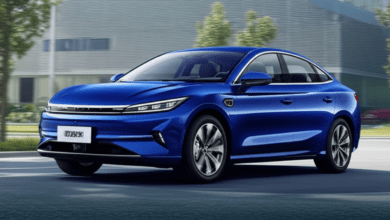
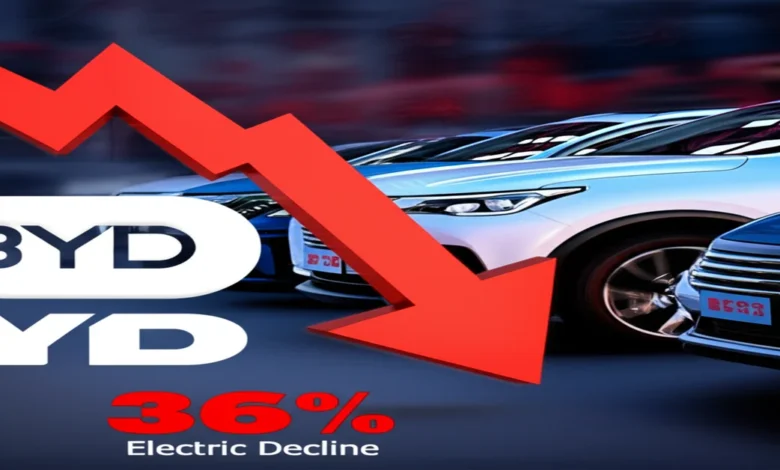
China’s electric vehicle giant BYD has shocked the automotive world with a massive BYD sales drop of 36% in February 2026 compared to the same period last year. This marks the sixth consecutive month of declining sales for the company that once threatened Tesla’s global dominance.
I analyzed the latest sales data, spoke with industry experts, and examined what’s driving this unprecedented decline. If you’re following the EV market or considering a BYD vehicle, this analysis reveals critical insights about the shifting landscape.
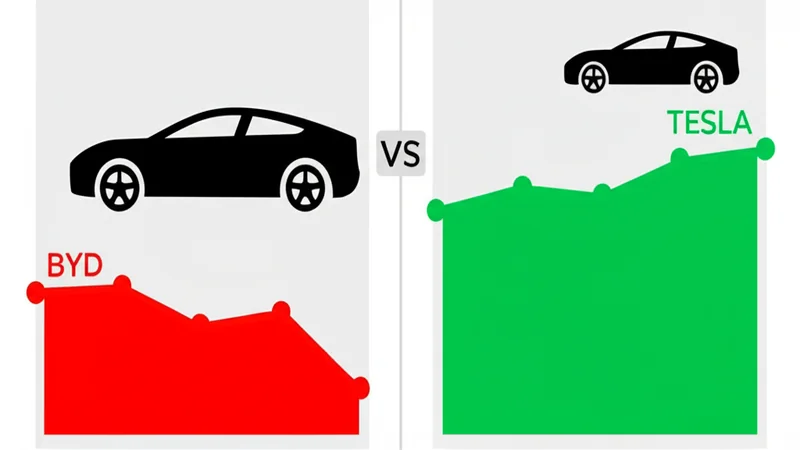
The Numbers: How Bad Is the BYD Sales Drop?
The BYD sales drop isn’t just a minor blip—it’s a dramatic reversal for the world’s largest EV manufacturer by volume. Here’s what the data shows:
February 2026 Sales Figures:
- February 2026: ~125,000 units sold
- February 2025: ~195,000 units sold
- Decline: 36% year-over-year
- Consecutive months declining: 6 months
To put this in perspective, BYD was selling over 300,000 vehicles monthly during its peak in mid-2025. The current trajectory represents a loss of nearly 60% from those highs.
Read our previous BYD analysis to understand how quickly fortunes have changed.
What’s Causing the BYD Sales Drop?
Industry analysts point to several factors behind the BYD sales drop:
1. Intense Domestic Competition
Chinese automaker Geely has overtaken BYD in domestic EV sales, offering competitive vehicles at lower price points. New entrants like Xiaomi Auto and Huawei-backed AITO are also stealing market share with tech-heavy vehicles that appeal to younger buyers.
2. Export Market Challenges
BYD’s international expansion has hit roadblocks. The European Union imposed tariffs on Chinese EVs, and the U.S. market remains largely closed. BYD was counting on exports to offset slowing domestic growth.
3. Tesla’s Price War
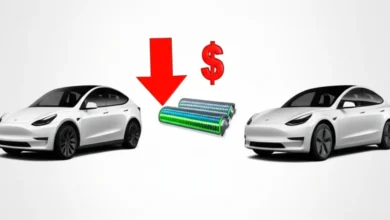
Tesla’s aggressive pricing, including the upcoming cheap Model Y and Model 3 2026, has forced BYD to cut prices, squeezing profit margins. The Model Y Juniper refresh is specifically targeting BYD’s core market segments.
4. Consumer Preference Shift
Chinese consumers are increasingly prioritizing smart features and autonomous driving capabilities—areas where BYD has lagged behind competitors like Huawei and Xpeng.
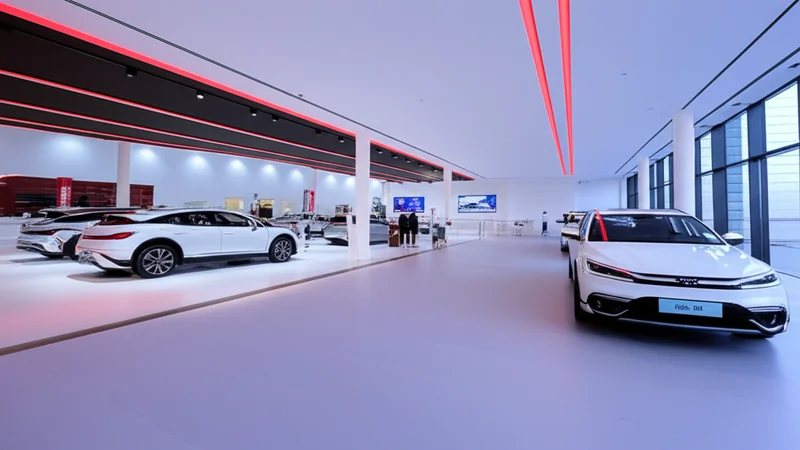
Regional Breakdown: Where BYD Is Struggling Most
The BYD sales drop isn’t uniform across all markets:
China (Domestic Market):
- Sales down 38% year-over-year
- Market share fell from 35% to 22%
- Primary challenge: Geely and new tech-focused brands
Europe:
- Sales down 25% due to tariff impacts
- Price increases made BYD less competitive
- Brand recognition remains low compared to Tesla
Southeast Asia:
- Only region showing growth (+12%)
- Thailand and Indonesia remain strong markets
- BYD’s manufacturing presence in Thailand helps
BYD’s US market plans may need revision given current financial pressures.
BYD’s Response to the Sales Crisis
The company isn’t sitting idle amid the BYD sales drop. Management has announced several countermeasures:
Price Cuts Across Lineup:
BYD has slashed prices by 5-15% on most models, including the popular Seal and Atto 3. While this may boost volume, it further erodes the thin margins that concern investors.
New Model Launches:
The company is accelerating launches of premium Yangwang and Denza sub-brands to capture higher-margin sales. However, these luxury segments represent smaller volumes.
Technology Investments:
BYD is pouring billions into autonomous driving and smart cockpit technology to match competitors. Whether these investments translate to sales remains uncertain.
What This Means for Tesla and the EV Market
The BYD sales drop has significant implications for the broader EV landscape:
Tesla Benefits:
With BYD weakened, Tesla has breathing room in key markets. The Tesla Model S and other premium models face less pressure, while the upcoming affordable models can target BYD’s price-sensitive customers.
Market Consolidation:
Weaker Chinese EV makers may exit the market or be acquired. This could ultimately benefit established players with strong balance sheets.
Consumer Opportunities:
Bargain hunters may find excellent deals on BYD vehicles as the company tries to clear inventory. Check our cheapest EVs guide for current pricing.
Should You Buy a BYD Vehicle Now?
Given the BYD sales drop, potential buyers have valid concerns:
Pros of Buying Now:
- Significant discounts available (5-15% off MSRP)
- Established service network remains strong
- Build quality and reliability proven over time
- Battery technology remains competitive
Cons to Consider:
- Potential resale value decline if brand weakens further
- Uncertainty about future software updates
- May be perceived as “struggling brand”
- Limited smart features compared to rivals
For buyers prioritizing value over brand prestige, current BYD pricing represents genuine bargains. However, those seeking cutting-edge technology may prefer best electric SUVs 2026 alternatives.
What’s Next for BYD?
Analysts are divided on whether the BYD sales drop represents a temporary setback or long-term decline:
Bull Case:
BYD’s manufacturing scale, battery technology, and vertical integration remain unmatched. Price cuts and new models could stabilize sales by Q3 2026. The company has survived previous downturns.
Bear Case:
Structural shifts in Chinese consumer preferences and persistent competition may prevent a full recovery. Without breakthrough products, BYD could become a marginal player outside Southeast Asia.
Realistic Outlook:
Most analysts expect BYD to stabilize at 60-70% of peak volumes, requiring painful cost-cutting and strategic refocusing. The days of 300,000+ monthly sales may be over permanently.
Bottom Line: The EV Market Is Shifting
The BYD sales drop demonstrates that even market leaders aren’t immune to disruption. In the rapidly evolving EV space, today’s champion can become tomorrow’s cautionary tale.
For consumers, this means more choices, better prices, and rapid innovation. For investors, it signals that EV stocks require careful scrutiny beyond headline sales numbers.
Whether BYD recovers or continues declining will depend on execution of its turnaround strategy and ability to match competitors’ technology. One thing is certain: the EV market in 2026 looks very different than it did in 2025.
What’s your take on BYD’s struggles? Would you buy a discounted BYD or wait to see how the company responds? Let us know in the comments!