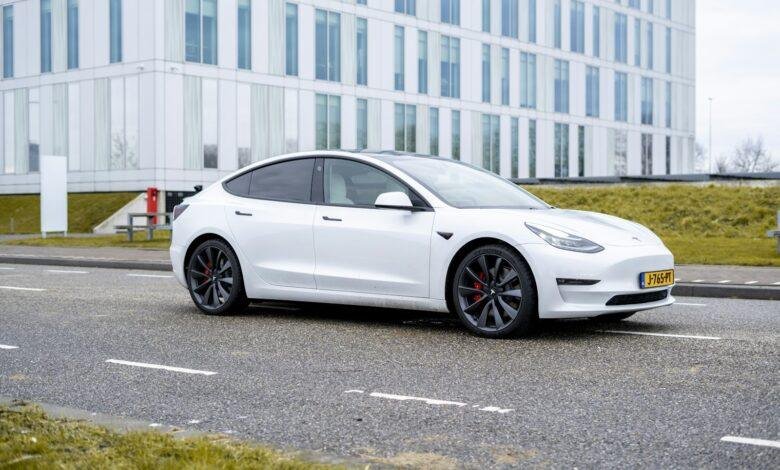
The electric vehicle market has reached a historic inflection point. For the first time ever, a challenger has dethroned the king. BYD has officially overtaken Tesla as the world’s largest electric vehicle manufacturer, marking a seismic shift in the global automotive landscape that industry experts are calling the most significant development since the Model S first captured public imagination over a decade ago.
But does selling more cars automatically mean making better ones? In this comprehensive BYD vs Tesla comparison for 2026, we’ll examine every critical factor—from cutting-edge battery technology and real-world performance to pricing, charging infrastructure, and long-term ownership costs—to help you determine which EV brand truly deserves your investment.
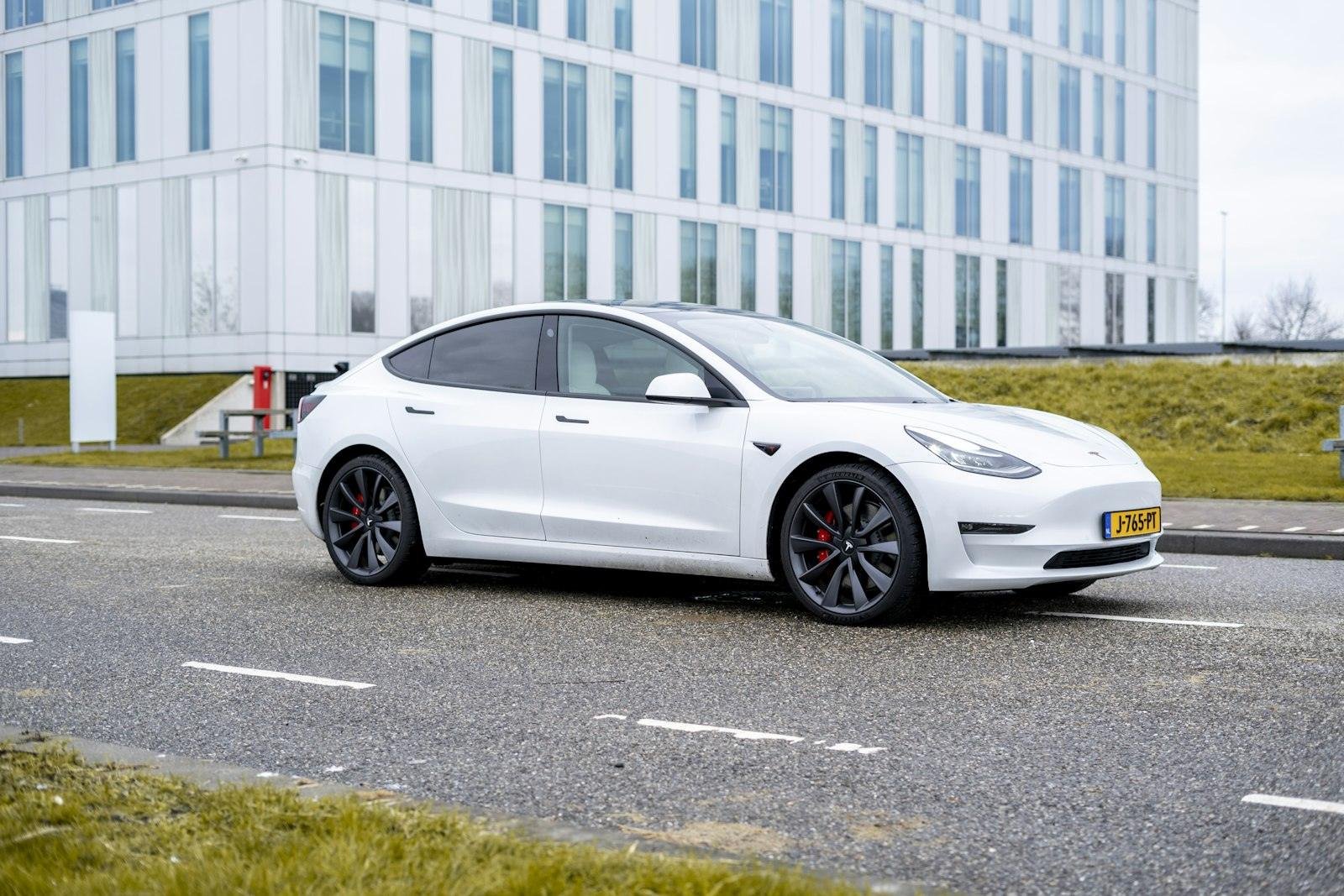
The Changing of the Guard: Sales Numbers Don’t Lie
The numbers tell a compelling story. BYD recorded an astonishing 4.55 million vehicle sales in 2025, officially surpassing Tesla’s annual output and ending Elon Musk’s company’s decade-long reign as the EV sales champion. Even more impressive, BYD’s pure electric vehicle sales reached 1.6059 million units through Q3 2025 alone, compared to Tesla’s 1.2179 million during the same period—a nearly 400,000 unit lead.
This isn’t merely about volume. BYD’s ascent represents something far more consequential: the democratization of electric mobility. While Tesla positioned itself as the premium disruptor targeting affluent early adopters, BYD has executed a masterclass in mass-market penetration, offering compelling electric vehicles at price points that make zero-emission transportation accessible to mainstream consumers worldwide.
However, Tesla maintains significant advantages in crucial markets. North American dominance remains firmly in Tesla’s grasp, largely because BYD currently doesn’t operate in the United States due to high tariffs and ongoing geopolitical tensions. For American consumers, this geographical limitation makes the BYD vs Tesla debate somewhat theoretical—Tesla remains the default choice by default.
European markets tell a more nuanced story. Tesla’s recent performance indicates declining sales and market share across the continent, even as overall EV adoption accelerates. European consumers increasingly view BYD vehicles as viable alternatives that offer superior value without compromising quality or technology.
Battery Technology: The Heart of the Electric Revolution
When evaluating BYD vs Tesla, battery technology emerges as perhaps the most critical differentiator. Both manufacturers have invested billions developing proprietary cell technologies, but their approaches diverge significantly.
Tesla’s 4680 Cells: Bigger Isn’t Always Better
Tesla’s revolutionary 4680 cylindrical cells represent approximately five times the volume and capacity of the previous 21700 cells used in Model 3. These nickel-rich (NMC811) cathodes deliver approximately 33% higher energy density per similar weight compared to competitors, enabling the impressive range figures that have long been Tesla’s hallmark.
However, groundbreaking teardown analysis reveals significant thermal challenges. Under standard 1C loads, Tesla’s 4680 cells produce 2.3 times more heat per volume compared to BYD’s Blade cells, necessitating sophisticated—and expensive—cooling systems to maintain optimal performance and longevity. The laser-only welding approach, while elegant, presents manufacturing complexity that has contributed to Tesla’s well-documented production ramp challenges.
BYD’s Blade Battery: Safety Meets Efficiency
BYD’s innovative Blade Battery takes a fundamentally different approach. Using lithium iron phosphate (LFP) chemistry instead of nickel-based formulations, these prismatic cells prioritize safety and durability over absolute energy density. The results are striking: BYD’s Blade batteries demonstrate exceptional thermal stability, with nail penetration tests showing no fire or explosion—an achievement that nickel-based batteries simply cannot match.
The manufacturing process combines ultrasonic and laser welding for electrode connections, creating redundant bonds that enhance reliability. While the energy density per weight is lower than Tesla’s 4680 cells, the Blade Battery’s resistance and heat development characteristics are approximately twice as favorable, resulting in more consistent performance across varying conditions and significantly reduced cooling requirements.
For everyday consumers, this translates to tangible benefits: lower degradation over time, enhanced safety margins, and reduced thermal management complexity that contributes to lower maintenance costs throughout the vehicle’s lifecycle.
Model-to-Model Showdown: Head-to-Head Comparisons
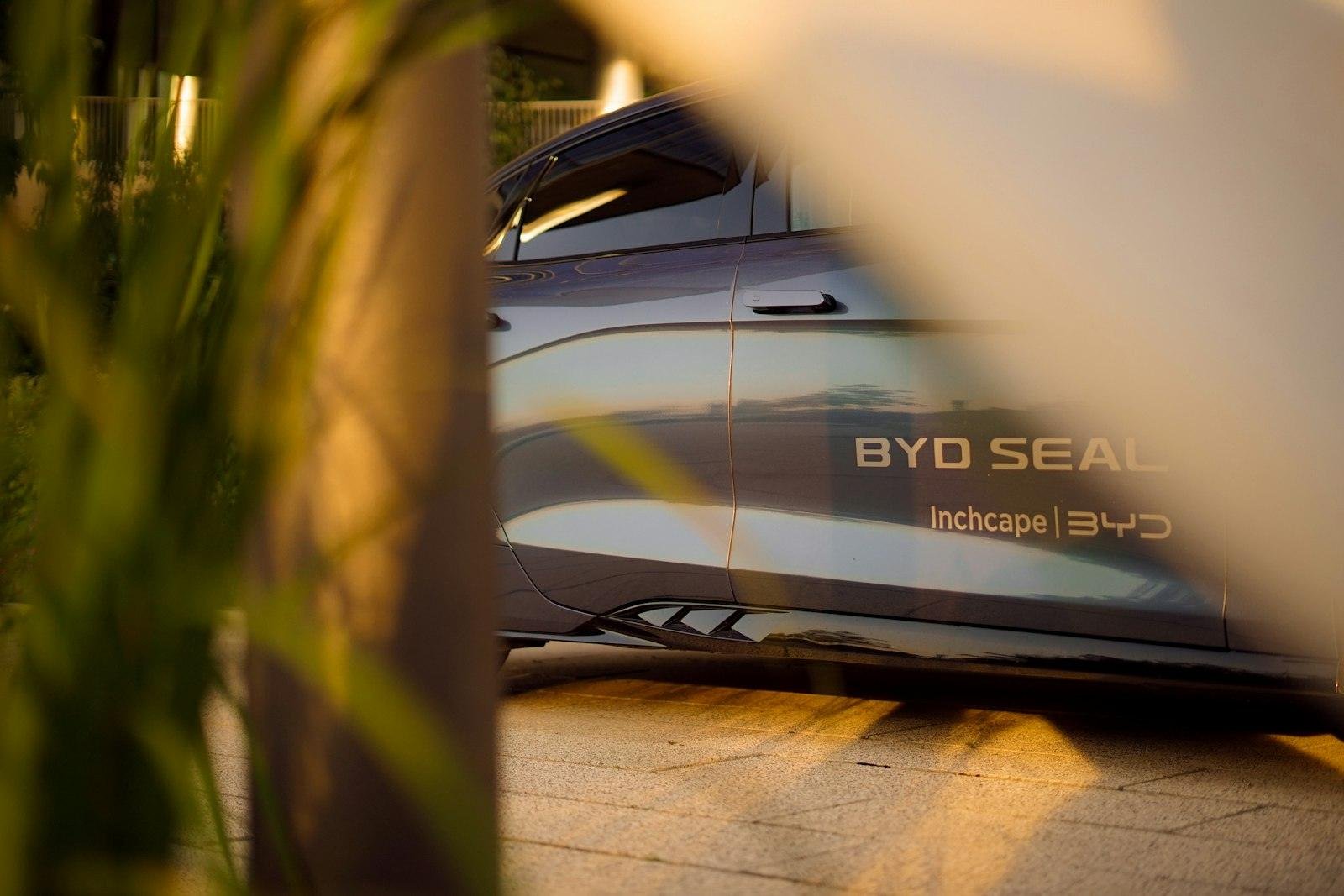
BYD Seal vs Tesla Model 3: The Sedan Battle
The BYD Seal represents the Chinese manufacturer’s most direct assault on Tesla’s core market. This sleek electric sedan targets the Model 3 with aggressive pricing and impressive specifications that force even Tesla loyalists to reconsider their allegiance.
Pricing Reality Check: The BYD Seal Premium, equipped with an 82kWh battery and rear-wheel drive, carries a price tag of approximately $58,798. The comparable Tesla Model 3 Long Range commands $71,900—a substantial $13,000 premium for the American badge. Even the base Model 3 Standard Range, when similarly equipped, typically costs several thousand dollars more than comparable BYD offerings.
Performance Parameters: Both vehicles deliver sub-5-second 0-60 mph acceleration in their performance configurations, with the BYD Seal Performance variant matching the Tesla Model 3 Performance’s thrilling acceleration. Range figures are similarly competitive, with both manufacturers claiming EPA ratings exceeding 350 miles in optimal configurations.
Interior Quality: Here’s where BYD surprises many skeptics. The Seal’s cabin features materials and build quality that meet or exceed Tesla’s standards, with superior sound insulation and a more traditional—some would say more intuitive—control layout that doesn’t force every function through a central touchscreen.
BYD Atto 3 vs Tesla Model Y: Crossover Competition
The compact crossover segment represents the hottest category in electric vehicles, and both manufacturers field compelling entries. The BYD Atto 3 delivers practical family transportation at a price point approximately 20-30% below the Tesla Model Y, while offering competitive range and charging capabilities.
Tesla’s Model Y maintains advantages in charging speed and software ecosystem, but the gap narrows with each model year as BYD refines its offerings. For budget-conscious families prioritizing value over brand prestige, the Atto 3 presents an increasingly compelling proposition.
Charging Infrastructure: The Network Effect
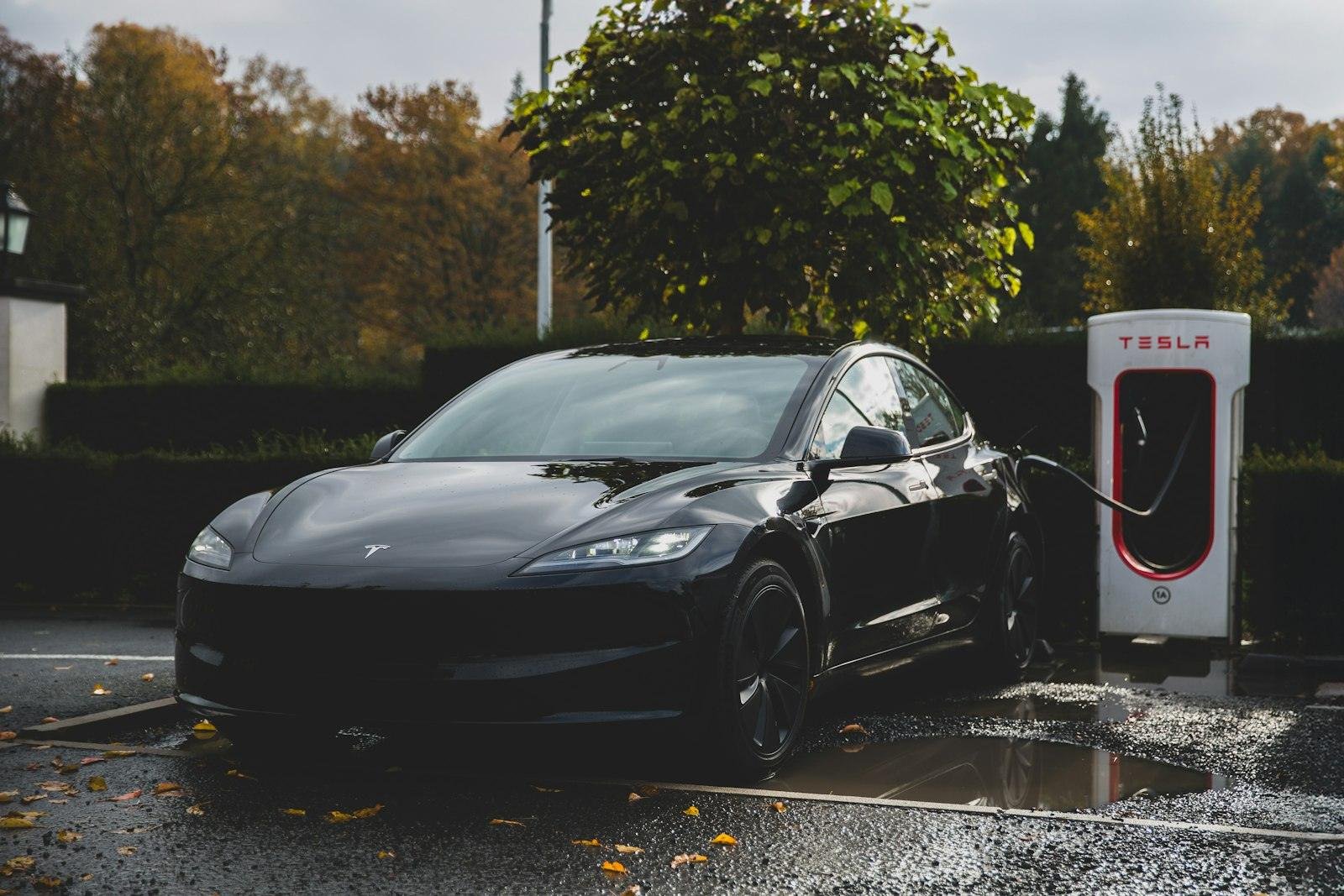
Tesla’s Supercharger network remains the gold standard for DC fast charging, offering unmatched reliability, speed, and coverage across North America and Europe. The company’s recent decision to open its proprietary connector (now called the North American Charging Standard) to other manufacturers represents both confidence in its technological superiority and acknowledgment that charging infrastructure must become universal to drive mass adoption.
BYD vehicles utilize the CCS charging standard, which offers broader compatibility across third-party charging networks but historically delivered less consistent experiences. However, as the NACS standard gains adoption and charging infrastructure matures globally, this advantage diminishes for Tesla. European and Asian markets already demonstrate that CCS networks can match Supercharger reliability when properly maintained and scaled.
Software and Autonomy: Tesla’s Lasting Advantage?
If BYD has closed the hardware gap—and arguably surpassed Tesla in manufacturing efficiency and battery safety—software remains Tesla’s strongest defensive moat. The Full Self-Driving (FSD) beta program, despite its controversial history and occasional alarming failures, represents the most advanced consumer-available autonomous driving system.
Tesla’s over-the-air update capability, minimalist interface design, and integrated energy ecosystem (including Powerwall home batteries and solar integration) create a cohesive ownership experience that BYD hasn’t fully replicated. The Tesla app and in-car interface set standards that competitors struggle to match.
However, BYD rapidly improves in this domain. Partnerships with technology companies and significant investments in artificial intelligence and autonomous driving research are yielding results. For buyers prioritizing today’s capabilities over tomorrow’s promises, BYD’s current software offerings adequately address most needs.
Global Availability and Market Position
The BYD vs Tesla comparison ultimately depends heavily on geography. American consumers currently have limited access to BYD vehicles due to tariff structures and regulatory barriers. Canadian availability remains restricted, and European expansion, while accelerating, hasn’t achieved the ubiquity that would make BYD a true household name outside automotive enthusiast circles.
Tesla maintains manufacturing advantages through its Gigafactory network, with facilities strategically positioned in Nevada, Shanghai, Berlin, and Texas. This distributed production capability provides logistical and cost advantages that pure export-based competitors struggle to match.
BYD counters with vertical integration that would make Henry Ford proud. The company manufactures virtually every major component in-house—from batteries and semiconductors to electric motors and chassis components. This control over the supply chain insulates BYD from the shortages and price volatility that periodically disrupt competitors.
Ownership Costs and Long-Term Value
Electric vehicle economics fundamentally differ from internal combustion alternatives, and both BYD and Tesla offer compelling total cost of ownership calculations. Electricity costs substantially less than gasoline across virtually all markets, and reduced maintenance requirements (no oil changes, fewer brake replacements due to regenerative braking, simplified drivetrains) translate to significant savings over vehicle lifespans.
BYD’s LFP battery chemistry offers particular advantages for longevity. These batteries tolerate deeper discharge cycles and demonstrate slower capacity degradation compared to nickel-based alternatives. While Tesla’s batteries remain excellent, BYD’s conservative chemistry choices suggest superior performance at the 8-10 year mark when many EVs will still be in active service.
Resale value represents a more complex calculation. Tesla’s brand prestige and established secondary market command premium prices that BYD vehicles haven’t yet achieved. However, as BYD’s market position solidifies and brand recognition improves, this gap should narrow considerably.
Environmental Impact and Sustainability
Both manufacturers produce zero-emission vehicles, but their environmental footprints extend beyond tailpipe emissions. Tesla’s Nevada Gigafactory operates on renewable energy, and the company publishes detailed impact reports tracking progress toward sustainability goals.
BYD’s commitment to electrification extends beyond passenger vehicles into buses, trucks, and energy storage solutions, positioning the company as a comprehensive sustainability partner. The company’s battery recycling programs and supply chain transparency initiatives address legitimate concerns about the environmental costs of battery production.
The Verdict: Which EV Brand Wins in 2026?
Declaring an absolute winner in the BYD vs Tesla comparison requires acknowledging that different buyers prioritize different attributes. Tesla maintains advantages for:
- North American buyers seeking comprehensive charging infrastructure
- Technology enthusiasts prioritizing autonomous driving capabilities
- Buyers valuing brand prestige and resale value
- Customers seeking the most energy-dense battery technology
BYD emerges superior for:
- Budget-conscious buyers seeking maximum value per dollar
- Safety-focused consumers prioritizing thermal stability
- Long-term owners concerned with battery longevity
- International buyers in markets where both brands compete directly
The seismic shift represented by BYD’s sales victory signals that Tesla no longer enjoys unchallenged dominance. Competition drives innovation, and consumers benefit enormously from having two world-class manufacturers pushing each other to deliver better vehicles at more accessible prices.
For 2026, the BYD vs Tesla battle ends in a draw that benefits everyone. Tesla remains the premium choice with unmatched software and charging infrastructure, while BYD delivers exceptional value and manufacturing excellence that democratizes electric mobility. Your optimal choice depends on budget, geography, and priorities—but neither choice represents a compromise.
The electric future has arrived, and it’s more competitive, capable, and compelling than ever before.
Looking for more EV comparisons? Check out our complete reviews section for in-depth analysis of the latest electric vehicles hitting the market.