Why 2026 Is the Perfect Year for Your First Electric Car
If you’re considering your first electric car, there’s never been a better time to make the switch. The year 2026 represents a watershed moment in the automotive industry, with electric vehicles (EVs) becoming more accessible, affordable, and practical than ever before. With over 100 models available across all price ranges, improved charging infrastructure, and generous government incentives, buying your first electric car is no longer just an eco-conscious decision—it’s a smart financial move.
The technology has matured significantly. Today’s EVs offer ranges exceeding 300 miles, charging times under 30 minutes, and maintenance costs that are 40% lower than traditional gas vehicles. Whether you’re a daily commuter, a family hauler, or someone looking to reduce their carbon footprint, this guide will walk you through everything you need to know about choosing your first electric car.
By the end of this article, you’ll have a clear understanding of budgeting, range requirements, charging solutions, and the best vehicles for first-time EV buyers. Let’s dive into what makes 2026 the ideal year to go electric.
Section 1: Budget & Total Cost of Ownership for Your First Electric Car
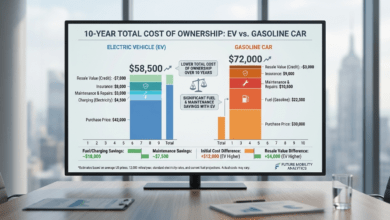
When planning to purchase your first electric car, the sticker price is just the beginning. Understanding the total cost of ownership (TCO) is crucial for making an informed decision. While EVs often have higher upfront costs compared to gas vehicles, the long-term savings can be substantial.
Upfront Costs
The average price of an electric vehicle in 2026 ranges from $30,000 for budget-friendly options like the Nissan Leaf to over $100,000 for luxury models like the Tesla Model S or BMW iX. However, most first-time buyers find excellent options in the $35,000-$50,000 range. Popular choices like the Chevrolet Bolt EV, Kia EV6, and Tesla Model 3 offer great value in this bracket.
Fuel Savings
One of the biggest advantages of your first electric car is eliminating gas station visits. Electricity costs significantly less than gasoline. On average, EV owners save $1,000-$1,500 annually on fuel costs. Home charging typically costs $0.08-$0.15 per kWh, while public fast charging ranges from $0.25-$0.50 per kWh. Even with occasional public charging, you’ll likely spend 60-70% less on “fuel” than with a gas car.
Maintenance Savings
Electric vehicles have far fewer moving parts than internal combustion engines. No oil changes, no spark plugs, no transmission fluid, and reduced brake wear thanks to regenerative braking. Over 5 years, maintenance costs for your first electric car will typically be $4,600 less than a comparable gas vehicle.
Insurance Considerations
EV insurance can be slightly higher due to expensive battery packs and specialized repair needs. However, many insurers now offer discounts for electric vehicles. Shop around and get quotes from multiple providers to find the best rate for your first electric car.
Resale Value
As demand for EVs continues to grow, resale values are holding strong. Tesla vehicles, in particular, maintain excellent resale value. When buying your first electric car, consider models with strong depreciation ratings to protect your investment.
Section 2: Range Requirements – How Much Do You Really Need?
Range anxiety is the most common concern for those buying their first electric car. The good news? Modern EVs have largely eliminated this issue. But how much range do you actually need?
Understanding Your Daily Driving
The average American drives 37 miles per day. Even the most affordable EVs offer 200+ miles of range, which is more than sufficient for daily commuting. For your first electric car, consider:
- Daily commute: If you drive 50 miles round-trip, any EV with 200+ miles of range gives you plenty of buffer.
- Weekend trips: Occasional 100-150 mile weekend getaways are easily handled by most modern EVs.
- Long road trips: If you frequently drive 300+ miles in a day, prioritize vehicles with 300+ mile range and fast-charging capability.
Range Recommendations by Lifestyle
Urban Commuter (200-250 miles): Perfect for city dwellers with access to home or workplace charging. Options include the Nissan Leaf Plus, Chevrolet Bolt EUV, and Mini Cooper SE.
Suburban Family (250-300 miles): Ideal for families with mixed driving needs. Consider the Hyundai Ioniq 5, Kia EV6, or Tesla Model 3.
Road Trip Warrior (300+ miles): For those who frequently travel long distances. Look at the Tesla Model Y Long Range, Ford Mustang Mach-E Extended Range, or Lucid Air.
Weather Considerations
Cold weather can reduce range by 15-30%. If you live in a northern climate, factor this into your decision when choosing your first electric car. A vehicle rated for 250 miles might deliver 175-200 miles in winter conditions. Consider vehicles with heat pumps, which improve cold-weather efficiency.
Section 3: Home Charging vs Public Charging
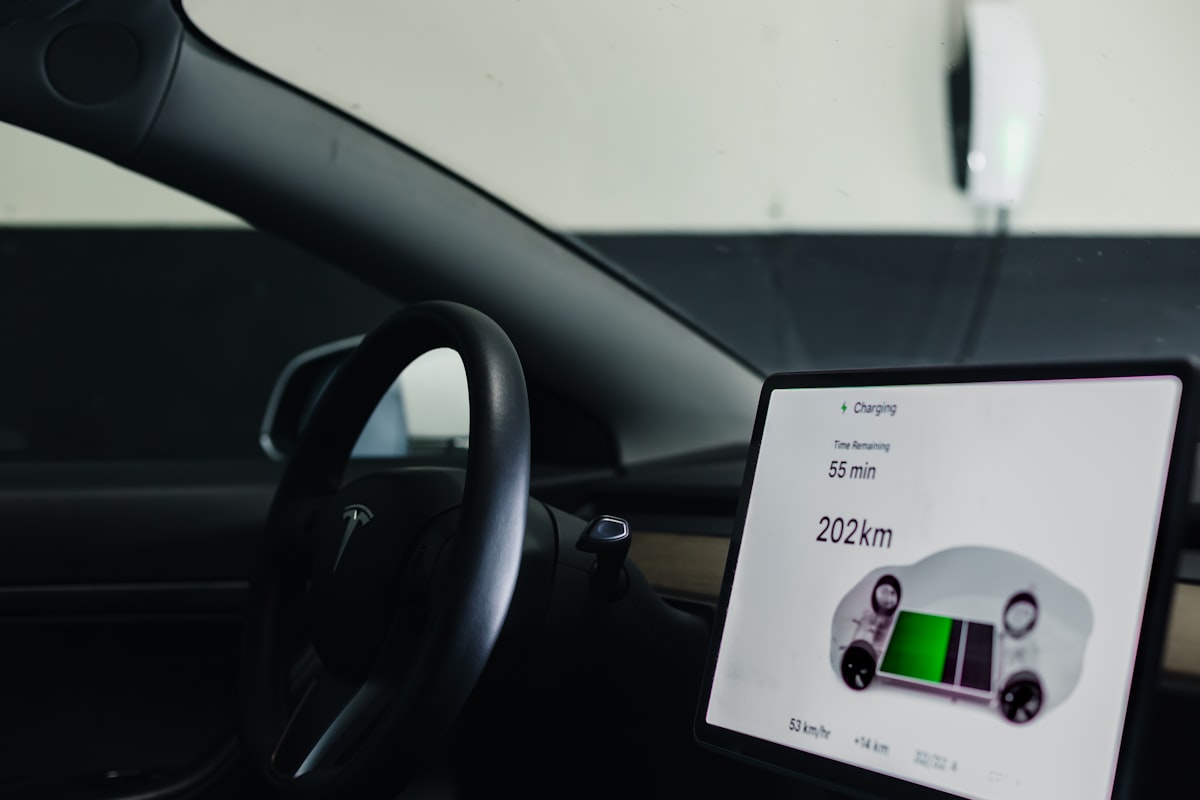
Charging infrastructure is crucial when buying your first electric car. Understanding your options will ensure a smooth ownership experience.
Level 1 Charging (120V Standard Outlet)
Every EV comes with a portable Level 1 charger that plugs into a standard household outlet. While convenient, it only adds 3-5 miles of range per hour. This is suitable for plug-in hybrids or if you drive very short distances daily. For most first electric car buyers, Level 1 won’t be sufficient as a primary charging solution.
Level 2 Charging (240V)
This is the sweet spot for home charging. A Level 2 charger adds 25-40 miles of range per hour, fully charging most EVs overnight. Installation costs range from $500-$2,000 depending on your electrical panel and wiring needs. Popular options include the ChargePoint Home Flex, JuiceBox 40, and Tesla Wall Connector.
DC Fast Charging (Public)
DC fast chargers can add 100-250 miles of range in 20-30 minutes. Networks like Electrify America, Tesla Supercharger (now opening to other brands), and EVgo are expanding rapidly. While essential for road trips, relying solely on public charging for your first electric car is inconvenient and more expensive.
Charging Strategy Recommendations
Best Case: Home Level 2 charging + occasional public fast charging for road trips
Acceptable: Workplace Level 2 charging + home Level 1 for top-ups
Challenging: Relying solely on public charging (apartment dwellers should verify building charging availability)
Section 4: Best First EVs for 2026 – Affordable Options
Choosing your first electric car doesn’t mean breaking the bank. Here are the top affordable options for 2026:
1. Chevrolet Bolt EV / Bolt EUV ($26,500 – $32,000)
The Bolt remains the value champion. With 259 miles of range, spacious interior, and comprehensive safety features, it’s an ideal first electric car. The EUV variant adds more rear legroom and available Super Cruise hands-free driving.
2. Nissan Leaf ($28,000 – $36,000)
The original mass-market EV continues to evolve. The Leaf offers 149-212 miles of range depending on battery size. While it lacks modern fast-charging capabilities (CHAdeMO connector), it’s perfect for urban dwellers with predictable routes.
3. Hyundai Kona Electric ($34,000 – $42,000)
With 258 miles of range, excellent efficiency, and a generous feature set, the Kona Electric delivers tremendous value. The updated 2026 model includes improved infotainment and faster charging speeds.
4. Tesla Model 3 RWD ($38,000 – $48,000)
The Model 3 remains the benchmark for the segment. Access to the Supercharger network, over-the-air updates, and 272-358 miles of range make it a compelling first electric car. The minimalist interior and controls aren’t for everyone, but the technology is unmatched.
5. Kia Niro EV ($39,000 – $45,000)
Blending SUV practicality with hatchback efficiency, the Niro EV offers 253 miles of range and an intuitive, traditional interior design. It’s perfect for those transitioning from conventional vehicles who want their first electric car to feel familiar.
6. Volkswagen ID.4 ($38,000 – $52,000)
For families needing more space, the ID.4 offers 275 miles of range, a spacious interior, and three years of free Electrify America fast charging. The intuitive controls and comfortable ride make it an excellent first electric car choice.
Section 5: Tax Credits & Incentives
Government incentives can significantly reduce the cost of your first electric car. Here’s what you need to know:
Federal Tax Credit ($7,500)
The Inflation Reduction Act offers up to $7,500 in federal tax credits for qualifying EVs. Key requirements include:
- Vehicle final assembly in North America
- Income caps ($150,000 individual, $300,000 joint)
- Price caps ($55,000 for cars, $80,000 for SUVs/trucks)
- Battery component and critical mineral sourcing requirements
Many popular models qualify for the full credit, including the Ford F-150 Lightning, Chevrolet Bolt, and Tesla Model Y.
State and Local Incentives
Many states offer additional rebates:
- California: Up to $7,000 through CLEAN Vehicle Rebate Project
- New York: Up to $2,000 Drive Clean Rebate
- New Jersey: Sales tax exemption
- Colorado: Up to $5,000 rebate
Check DSIRE for programs in your area.
Utility Rebates
Many electric utilities offer rebates for EV purchases ($500-$1,500) and home charger installation ($200-$500). Contact your utility provider when planning your first electric car purchase.
Point-of-Sale Rebates
Starting in 2024, many credits transfer to the dealer, allowing you to apply the incentive at purchase rather than waiting for tax season. This makes your first electric car even more affordable upfront.
Section 6: Common First-Timer Mistakes to Avoid

Learn from others’ experiences. Here are the most common mistakes when buying your first electric car:
1. Overestimating Range Needs
Many buyers pay extra for 300+ mile range when 200 miles would suffice. Analyze your actual driving patterns before deciding. You might save thousands by choosing a lower-range model.
2. Ignoring Charging Infrastructure
Don’t assume you’ll “figure out charging later.” Before buying your first electric car, verify you can install home charging or have reliable workplace/public options.
3. Not Test Driving Multiple Models
EVs drive differently than gas cars. Instant torque, one-pedal driving, and regenerative braking take getting used to. Test drive several models to find what suits you.
4. Overlooking Total Cost of Ownership
Focus on the complete financial picture, not just the monthly payment. Factor in fuel savings, maintenance, insurance, and incentives when budgeting for your first electric car.
5. Buying Without Researching Incentives
Tax credits and rebates can change the math dramatically. A $40,000 EV might effectively cost $30,000 or less after incentives. Research before you buy.
6. Not Considering Future Needs
Your first electric car should serve you for 5-10 years. Consider how your life might change—growing family, job change, housing situation—when selecting range and size.
Frequently Asked Questions
How long do EV batteries last?
Most EV batteries are warrantied for 8 years or 100,000 miles. Real-world data shows batteries typically retain 70-90% capacity after 150,000+ miles. Your first electric car battery will likely outlast your ownership period.
Can I charge an EV in the rain?
Yes! EV charging ports and connectors are weatherproof and designed for outdoor use. Safety systems prevent charging if any moisture is detected in the connection.
What happens if I run out of charge?
Just like running out of gas, you’ll need roadside assistance. Most EVs provide ample warnings and can navigate you to the nearest charger. AAA and other services now offer mobile EV charging.
Are EVs safe?
EVs undergo the same rigorous safety testing as gas vehicles. In fact, EVs often perform better in crash tests due to lower center of gravity and rigid battery structures. Your first electric car will be among the safest vehicles on the road.
How do I maintain an EV?
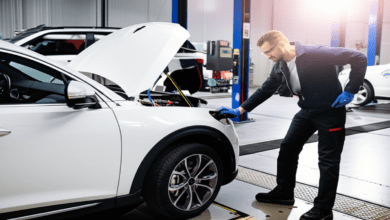
Maintenance is minimal: tire rotations, cabin air filter replacement, brake fluid checks, and wiper blades. No oil changes, spark plugs, or timing belts. Most first electric car owners visit the service center once per year.
Can I take an EV on a road trip?
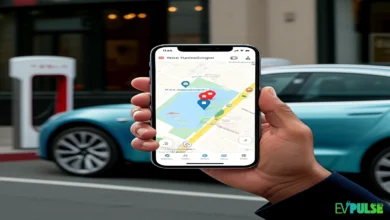
Absolutely! Plan your route around charging stations using apps like PlugShare or A Better Route Planner. Modern EVs with 250+ mile range make road trips comfortable with 20-30 minute charging stops.
Conclusion: Your First Electric Car Awaits
Buying your first electric car is an exciting milestone. The combination of advancing technology, expanding infrastructure, and generous incentives makes 2026 the perfect time to make the switch. By following this guide, you’ll be well-equipped to choose the right vehicle for your needs, budget, and lifestyle.
Remember: assess your actual driving needs, factor in total cost of ownership, secure your charging solution, and take advantage of available incentives. Whether you choose an affordable Chevrolet Bolt, a tech-forward Tesla Model 3, or a family-friendly Volkswagen ID.4, your first electric car will transform how you think about driving.
Ready to start your EV journey? Browse our comprehensive EV reviews, use our comparison tool, and join the millions who’ve already discovered the joy of electric driving. Welcome to the future of transportation.
Have questions about choosing your first electric car? Leave a comment below or reach out through our contact page. We’re here to help!