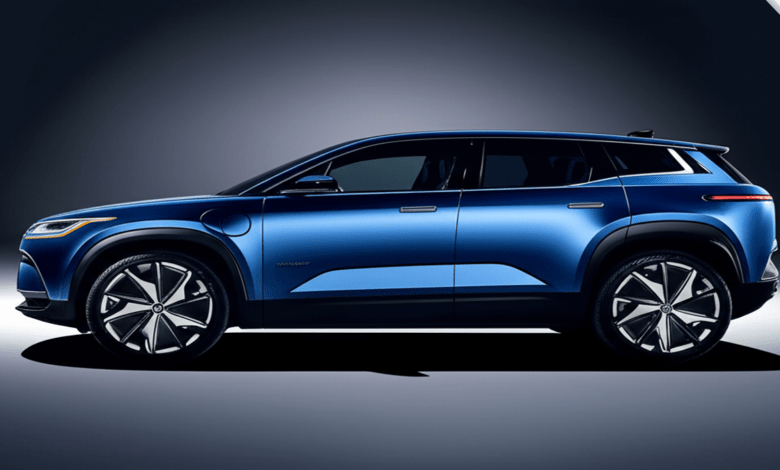
The Fisker Ocean, once hailed as Tesla’s most dangerous competitor, now faces an uncertain future that has sent shockwaves through the EV industry. With fisker ocean production halted and bankruptcy rumors swirling, the California startup has slashed prices by up to $25,000 in a desperate bid to generate cash and stay afloat. For the thousands of customers who placed deposits and the investors who backed Henrik Fisker’s vision, the situation has become deeply concerning.
The price cuts, announced quietly on Fisker’s website last week, represent the most aggressive discounting in the EV market’s history. The entry-level Ocean Sport now starts at $24,999, down from $38,999. The mid-range Ultra drops to $37,499 from $52,999. Even the flagship Extreme sees a $24,000 reduction to $53,999. These aren’t minor adjustments—they’re fire-sale pricing that suggests serious financial distress.
The Financial Crisis Unfolds

Fisker’s troubles became public in February 2024 when the company disclosed it had “substantial doubt” about its ability to continue operating. The SEC filing revealed cash reserves of just $320 million—barely enough to fund operations for a few months at the company’s burn rate. Since then, the situation has deteriorated rapidly.
Production at Fisker’s Austrian manufacturing facility, operated by Magna Steyr, has been suspended indefinitely. Workers have been sent home, suppliers report unpaid invoices, and the company’s leadership has gone silent on social media. The fisker ocean that was supposed to revolutionize sustainable luxury transportation has become a symbol of EV startup vulnerability.
Industry analysts point to multiple factors behind Fisker’s collapse. The company overpromised on delivery timelines, struggled with software quality, and failed to establish a reliable service network. Customer complaints about build quality and missing features mounted on social media, damaging the brand’s reputation before it could establish market presence.
What This Means for Owners
For existing Fisker Ocean owners, the situation creates genuine anxiety. The company’s financial distress raises questions about warranty coverage, parts availability, and software support. While Fisker has stated that existing warranties remain valid, owners worry about the company’s ability to honor these commitments if bankruptcy protection becomes necessary.
The price cuts have also infuriated early adopters who paid full price just months ago. Some owners report $20,000+ depreciation in a matter of weeks—a devastating financial hit for buyers who believed they were investing in the future of transportation. Class action lawsuits have already been filed alleging deceptive business practices.
Insurance complications are emerging as well. Some insurers have increased premiums for Fisker vehicles due to parts scarcity concerns. Others have stopped writing new policies entirely, leaving owners scrambling for coverage. The situation echoes the chaos surrounding Lordstown Motors and other failed EV startups.
Competitive Landscape Shifts
Fisker’s struggles benefit established automakers who can offer stability and reliable service. Tesla, despite its own controversies, looks rock-solid compared to the imploding startup. Traditional manufacturers like Ford, GM, and Volkswagen can point to Fisker as a cautionary tale about EV startup risks.
The situation also affects the broader EV adoption narrative. Critics of electrification will use Fisker’s collapse as evidence that the EV transition is unsustainable. Supporters counter that Fisker’s failure reflects poor execution rather than flawed technology—but the distinction gets lost in headlines about another “Tesla killer” dying.
For prospective EV buyers, Fisker serves as a reminder to research company financials before placing deposits. The Ocean’s attractive pricing and features weren’t enough to overcome fundamental business problems. In the EV market, as in all markets, if something seems too good to be true, it probably is.
What This Means
The fisker ocean saga represents more than a single company’s struggles—it highlights the brutal economics of automotive manufacturing. Building cars at scale requires billions in capital, flawless execution, and years of losses before profitability. Even with $1 billion+ in funding, Fisker couldn’t overcome these challenges.
Whether the company files for bankruptcy protection, finds a white-knight investor, or manages a miraculous turnaround remains unclear. What’s certain is that the EV landscape has lost one of its most ambitious challengers, and thousands of customers have learned expensive lessons about startup risks. For more on EV market trends, explore our EV price parity analysis.
Would you still consider buying a Fisker Ocean at these fire-sale prices, or is the risk too high? Share your thoughts below—this situation affects how we all view EV startup promises.