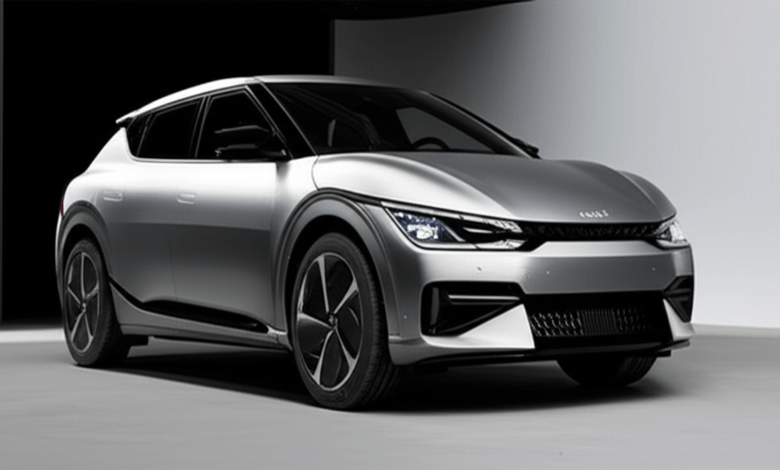
The Kia EV6 arrived in 2022 as a statement of intent from a brand previously known for budget-friendly transportation. Four years later, the kia ev6 review for 2026 reveals a vehicle that has matured significantly, addressing early criticisms while maintaining the striking design and impressive technology that made it an instant standout. With Tesla’s Model Y dominating sales charts, does the EV6 offer enough to sway buyers toward Korean engineering?
Kia’s transformation from a value-oriented automaker to a technology leader represents one of the industry’s most dramatic reinventions. The EV6 launched on dedicated E-GMP architecture shared with Hyundai IONIQ 5 and Genesis GV60, offering 800V charging capabilities that remain rare outside premium brands. For 2026, Kia has refined the formula with improved range estimates, updated software, and subtle styling revisions that keep the EV6 looking fresh against newer competitors.
Design: Striking Looks That Age Well
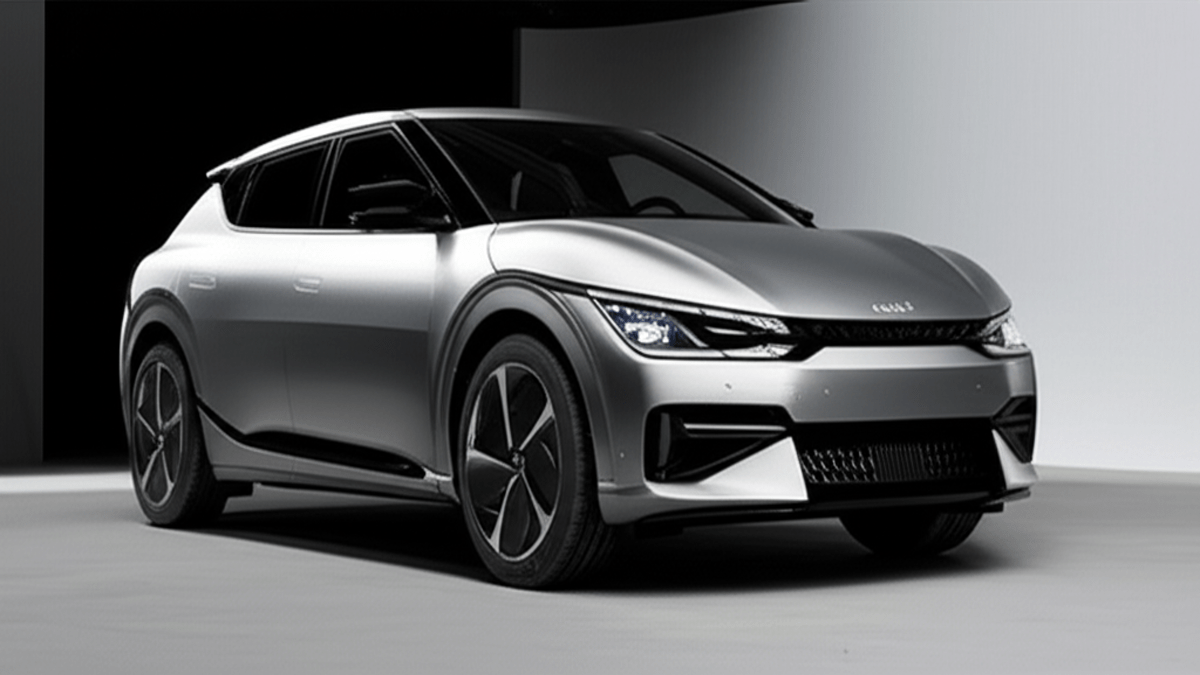
The EV6’s exterior design remains its most controversial element, though controversy has mellowed into appreciation as the automotive landscape absorbed its futuristic aesthetic. The swept-back silhouette, distinctive LED light signatures, and flush door handles created a visual language that subsequent Kia EVs have adopted. For 2026, new wheel designs and color options provide subtle differentiation without diluting the original vision.
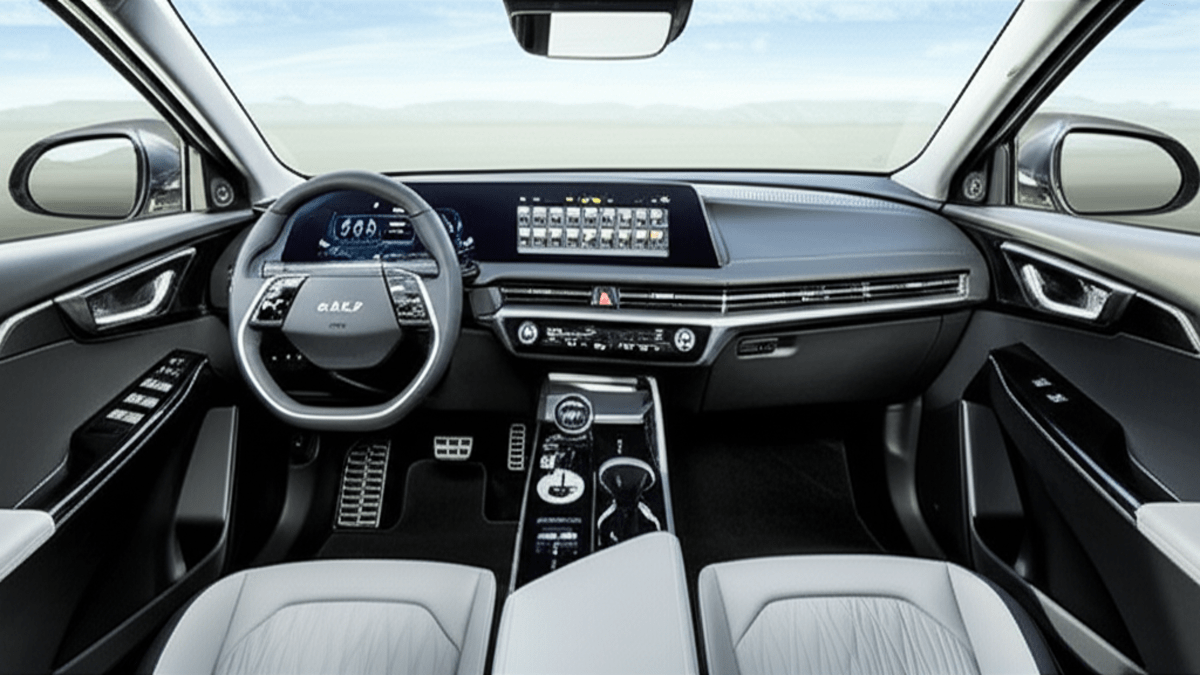
Interior quality surprised me most during my evaluation. Where early EV6 models exhibited some cost-cutting in material choices, 2026 examples feature improved soft-touch surfaces, better panel gaps, and more consistent build quality. The floating center console remains a highlight, creating useful storage space while contributing to the cabin’s airy feel. Dual 12.3-inch curved displays dominate the dashboard, running Kia’s latest connected car software with wireless Apple CarPlay and Android Auto finally available.
Performance: Multiple Personalities
Kia offers the EV6 with three distinct powertrain configurations, each delivering different driving experiences. The base Light trim provides rear-wheel drive with 167 horsepower, adequate for urban commuting but strained during highway passing. Most buyers choose the Wind or GT-Line trims offering 225 horsepower and 258 lb-ft of torque, delivering genuinely brisk acceleration that surprises passengers familiar with Kia’s historical performance. Compare with Tesla Model Y performance to see how they stack up.
The range-topping GT transforms the Kia EV6 into something entirely different. Dual motors producing 576 horsepower and 545 lb-ft of torque launch the crossover to 60 mph in just 3.4 seconds—quicker than most sports cars and embarrassingly fast for a family vehicle. My test drive included GT-Line and GT variants, revealing dramatically different characters despite shared platforms.
Range and Efficiency: Real-World Results
EPA range estimates vary dramatically across Kia EV6 configurations. The Light trim achieves 310 miles thanks to its smaller battery and efficiency-focused setup. Wind and GT-Line rear-wheel-drive models manage 310 miles as well, while all-wheel-drive versions drop to 282 miles. GT performance models sacrifice range for speed, offering just 206 miles between charges. Learn more about EV maintenance to maximize your range.
My real-world testing revealed more nuanced results. During moderate highway cruising at 70 mph, the GT-Line AWD exceeded EPA estimates, delivering 285 miles before the battery indicated empty. Urban driving with frequent regeneration extended this further, occasionally showing 300+ miles of indicated range. Cold weather—40°F temperatures during part of my test—reduced efficiency by approximately 15%, aligning with expectations for electric vehicles.
Charging: 800V Architecture Advantage
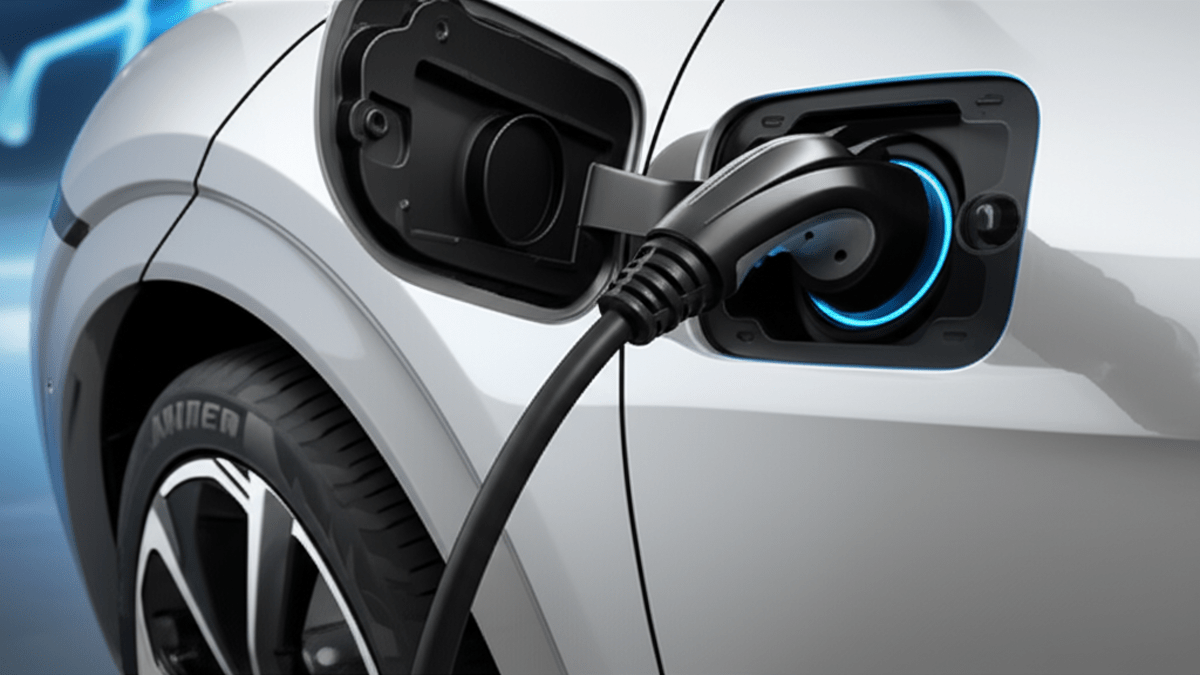
The Kia EV6’s most compelling technical feature remains its 800V electrical architecture, enabling charging speeds that embarrass most competitors. Where Tesla’s Model Y peaks at 250 kW and Volkswagen’s ID.4 manages 135 kW, the EV6 accepts up to 350 kW—though finding stations delivering that power remains challenging. Read our 800V architecture guide to understand this technology.
Real-world charging proved impressive even at more common 150-350 kW stations. Starting from 10%, the Kia EV6 reached 80% in approximately 18 minutes during optimal conditions. Cold weather extended this to 25 minutes as the battery management system conditioned cells for safe charging. These times represent genuine advantages over 400V competitors, making the EV6 more practical for road trip use. Find charging stations with our charging locator.
Technology and Features
Kia’s infotainment system improved significantly for 2026, addressing responsiveness complaints that plagued earlier versions. The curved dual-screen setup provides crisp graphics and logical menu structures, though some functions remain buried deeper than ideal. Wireless Apple CarPlay and Android Auto work reliably, automatically connecting when entering the vehicle—a convenience that shouldn’t impress but genuinely does after experiencing flaky implementations in competitors. Learn about available EV tax credits that can reduce your purchase price.
Driver assistance features include standard automatic emergency braking, lane-keeping assistance, and adaptive cruise control. Highway Driving Assist II provides semi-autonomous capabilities on mapped roads, handling steering, acceleration, and braking while requiring driver attention. The system works competently on well-marked highways but struggles with construction zones and complex interchanges.
Pricing and Value
Kia positions the EV6 aggressively, undercutting Tesla Model Y by several thousand dollars while offering comparable range and superior charging speeds. The Light trim starts at $42,600, though limited availability makes this largely theoretical for most buyers. Wind models—starting at $48,700—represent the practical entry point, offering the full EV6 experience without GT-Line styling excess. Check our best EVs 2026 rankings for comparison.
Federal tax credits provide up to $7,500 for qualifying EV6 purchases, though income and price caps limit eligibility. State incentives vary dramatically, with California offering additional rebates while other states provide nothing. Kia dealers sometimes offer promotional lease rates that make the EV6 more accessible than purchase prices suggest.
The Verdict
The Kia EV6 delivers on its promise of offering Tesla Model Y capability with distinctive styling and superior charging infrastructure compatibility. For buyers prioritizing road trip convenience, the 800V architecture provides genuine advantages that justify consideration even before examining the striking design and improved interior quality.
Yet the Kia EV6 isn’t perfect. Range estimates trail Tesla’s most efficient configurations, and the infotainment system—while improved—still lacks the intuitive simplicity of Tesla’s interface. For buyers seeking electric crossover practicality with distinctive personality, the EV6 represents compelling choice. Read more about EV technology at IEA Global EV Outlook.
Kia’s transformation from budget brand to technology leader continues impressively with the 2026 EV6. Four years after launch, this electric crossover remains among the segment’s most compelling options—proof that Korean automakers now compete at the highest levels. Whether choosing base efficiency or GT performance, EV6 buyers receive genuinely competitive electric transportation that happens to look spectacular.
Have you driven the Kia EV6? Does it tempt you away from Tesla, or are you waiting for next-generation competition? Share your thoughts below—real owner experiences help buyers navigate this rapidly evolving segment.