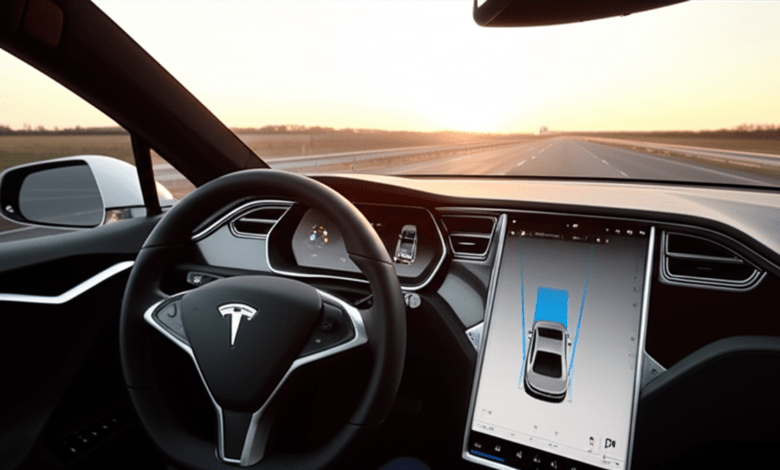
After years of bold promises and missed deadlines, Tesla Full Self-Driving v13 might finally represent the breakthrough enthusiasts have waited for. Or it might be another incremental improvement that still requires constant driver attention. After spending two weeks testing tesla fsd v13 across urban streets, highways, and challenging rural roads, the answer proves more nuanced than Tesla’s marketing suggests—but genuinely impressive nonetheless.
Version 13 represents Tesla’s most ambitious autonomous driving update since the FSD Beta program launched in 2020. The company claims the neural network has been completely retrained with millions of additional video clips, enabling smoother acceleration, more confident lane changes, and significantly improved handling of complex intersections. In daily use, these improvements are immediately noticeable, even if the system hasn’t achieved the full autonomy Elon Musk has promised for years.
What’s New in Tesla FSD v13
Tesla’s Full Self-Driving has evolved dramatically since its initial release. Where early versions required constant intervention and struggled with basic scenarios, v13 approaches human-level competence in many situations. The improvements aren’t limited to single features—they represent a fundamental refinement of the entire autonomous driving stack.
Version 13 specifically addresses user complaints about previous iterations. The phantom braking that plagued early versions—where the system would suddenly slow for non-existent obstacles—has been dramatically reduced. Lane keeping is more precise, eliminating the ping-ponging between lane markings that characterized earlier software. Traffic light recognition, which previously struggled with sunlight glare and complex intersections, now works reliably in varied lighting conditions.
Tesla has also improved the user interface for FSD v13. The visualization on the center screen now shows more detail about what the system sees and why it makes specific decisions. The confidence meter—showing how certain FSD is about its current path—provides valuable feedback that wasn’t available in previous versions.
Urban Driving: Confidence Without Perfection
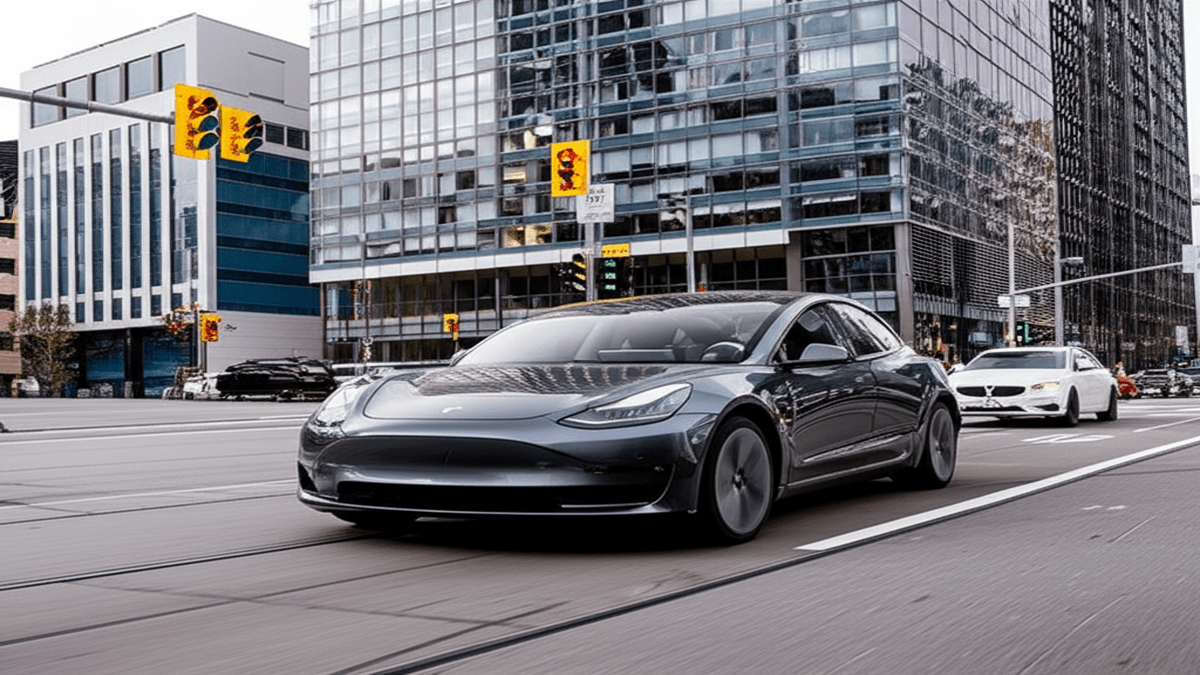
City driving has historically been FSD’s biggest weakness. Version Tesla FSD v13 addresses many of these issues with noticeably smoother operation. The system now handles four-way stops with reasonable competence, correctly identifying when it has right-of-way versus when other vehicles arrived first.
Pedestrian and cyclist detection has improved substantially. The system now recognizes and appropriately yields to pedestrians in crosswalks, cyclists in bike lanes, and even the unpredictable movements of children near schools. However, the system still struggles with construction zones, faded lane markings, and unusual traffic patterns.
Highway Performance: Nearly Flawless
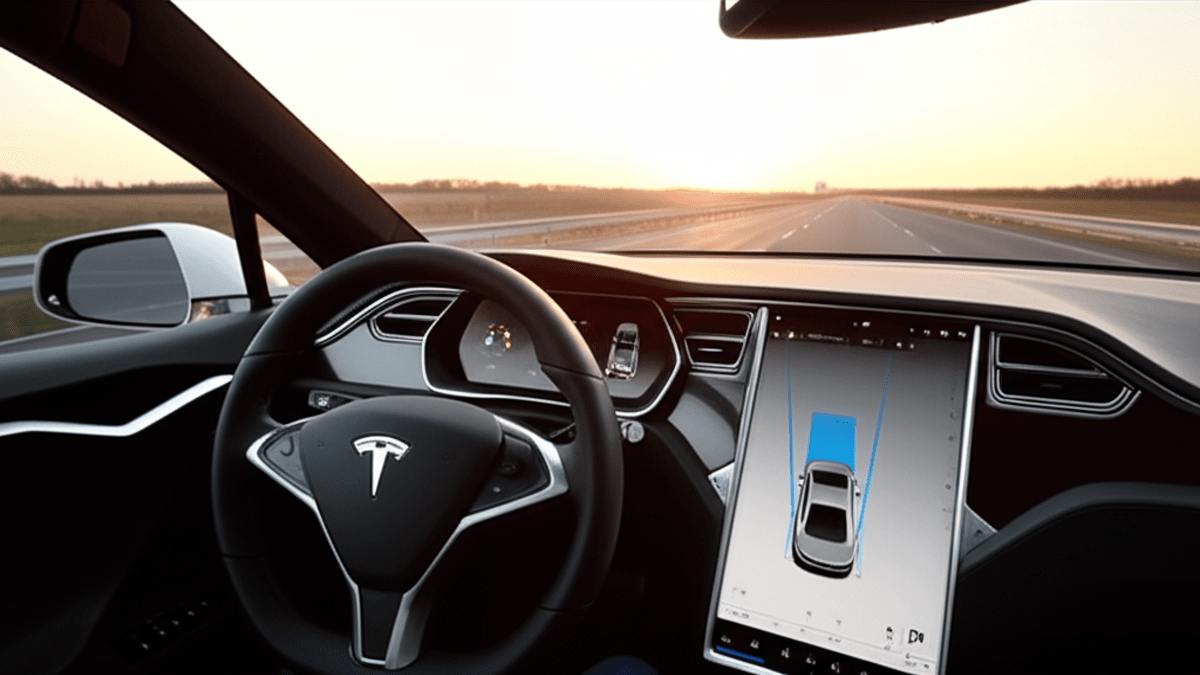
Where FSD v13 truly shines is highway driving. Lane changes occur with appropriate signaling and timing, no longer the abrupt, last-second maneuvers of previous versions. Construction zone navigation has improved dramatically, handling lane shifts and temporary barriers with remarkable composure.
The most impressive improvement comes in stop-and-go traffic. FSD v13 maintains comfortable following distances without the jerky acceleration and braking that previously caused motion sickness in passengers. For sales representatives and others who drive extensively for work, this improvement justifies the FSD investment.
The Reality Check: What Tesla FSD v13 Actually Delivers
After two weeks of testing across thousands of miles, Tesla FSD v13’s capabilities become clear. This is not full self-driving by any reasonable definition. It is, however, the most capable driver assistance system available to consumers—a genuinely useful tool that reduces driving fatigue and improves safety when used appropriately.
The system handles perhaps 90% of routine driving scenarios with minimal intervention. But that remaining 10% requires constant vigilance. Anyone treating FSD v13 as true autonomy is inviting accidents. Compare with our Tesla Model Y review for more details.
Pricing and Value Proposition
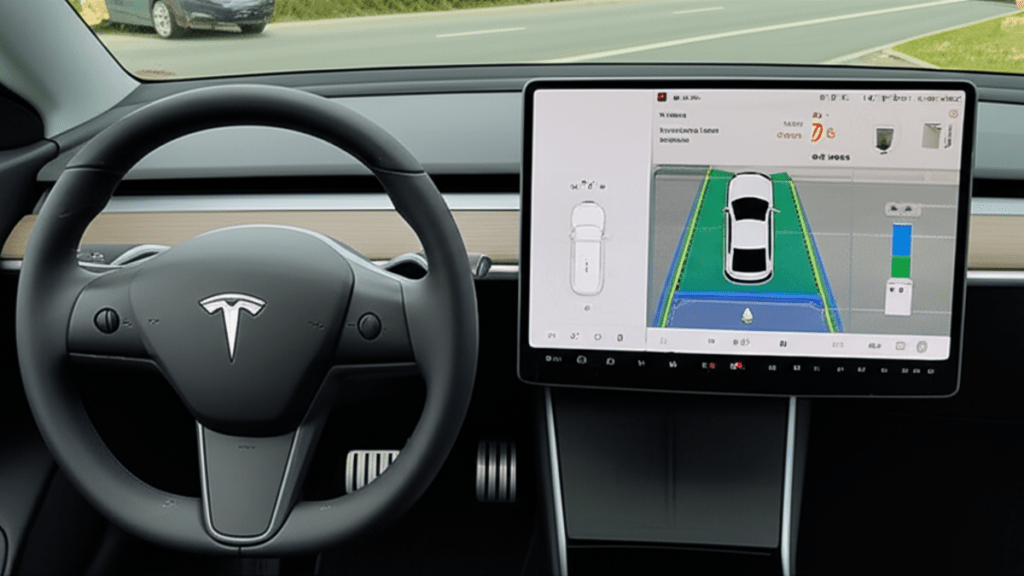
Tesla currently charges $12,000 for Full Self-Driving capability—a significant investment that becomes harder to justify with each passing year of unfulfilled promises. The subscription option—$199 monthly—offers a lower-risk entry point for curious buyers.
Resale value considerations also affect the FSD calculation. While Tesla vehicles generally hold value well, the FSD software license is tied to the specific vehicle and cannot be transferred. Buyers planning to sell or trade their Tesla within a few years may not recoup the FSD investment.
Comparison with Competitors
While Tesla leads in consumer-available autonomous driving technology, competitors aren’t standing still. GM’s Super Cruise offers hands-free highway driving on mapped roads, though it requires more specific conditions than FSD. Ford’s BlueCruise similarly focuses on highway scenarios rather than urban complexity.
No competitor currently matches FSD v13’s combination of urban and highway capability. Tesla’s extensive fleet data and vertically integrated approach create advantages that traditional automakers struggle to replicate. For buyers prioritizing cutting-edge autonomous technology, Tesla remains the clear choice despite its limitations.
The Verdict
Tesla FSD v13 represents genuine progress in autonomous driving technology, delivering meaningful improvements in everyday usability. The system handles routine driving with competence that was unimaginable just a few years ago, making it a valuable tool for daily commuters and highway travelers.
Yet version 13 also confirms that Tesla’s camera-only approach has fundamental limitations. For Tesla owners considering the $12,000 investment, FSD v13 finally offers enough capability to justify the price—provided expectations remain realistic. This is not self-driving, but it is remarkably capable driver assistance that improves safety and reduces fatigue. Learn more about EV technology at IEA Global EV Outlook.
Have you tried Tesla FSD v13? Does it live up to the hype, or is it still more promise than delivery? Share your experience below—real user feedback matters more than any marketing claims.