Tesla owners seeking the ultimate home charging solution consistently turn to the official tesla home charger, known as the Tesla Wall Connector. As 2026 approaches, this dedicated charging solution has evolved through three generations, offering faster charging speeds, smarter features, and more flexible installation options than ever before. Whether you are purchasing your first Tesla or upgrading from a standard mobile connector, understanding the complete tesla home charger ecosystem proves essential for maximizing your electric vehicle ownership experience.
The tesla home charger represents more than simple hardware—it embodies Tesla’s integrated approach to electric vehicle ownership. Unlike third-party alternatives that require adapters and compromise on charging speeds, Tesla’s Wall Connector communicates directly with your vehicle, optimizing charging rates based on battery temperature, state of charge, and electrical capacity. This native integration delivers charging speeds up to 44 miles of range per hour, transforming overnight parking into comprehensive battery replenishment.
For Model 3, Model Y, Model S, and Model X owners, the tesla home charger eliminates the compromises associated with universal charging solutions. While standard NEMA 14-50 outlets provide adequate charging for occasional use, dedicated Wall Connector installation delivers the performance and convenience that daily Tesla driving demands. This comprehensive guide examines installation requirements, real-world costs, feature comparisons, and whether Tesla’s official solution justifies its premium over third-party alternatives.
Understanding Tesla Wall Connector Generations
The current tesla home charger represents the third generation of Tesla’s Wall Connector, introduced in 2020 and refined through incremental updates. This generation delivers significant improvements over its predecessors, including WiFi connectivity for over-the-air updates, load-sharing capabilities for multiple units, and enhanced weather resistance for outdoor installations.
Generation 3 Wall Connectors provide maximum power output of 48 amps when connected to 60-amp circuits, delivering up to 11.5 kW of charging power. This translates to approximately 44 miles of range per hour for Model 3 and Model Y vehicles, and roughly 41 miles per hour for larger Model S and Model X vehicles. For most Tesla owners, this charging rate enables complete battery replenishment during overnight parking, eliminating range anxiety entirely.
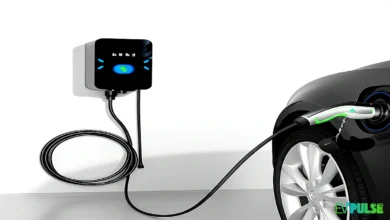
The tesla home charger features a 24-foot cable standard, with Tesla offering 8.5-foot and 18-foot alternatives for specific installation scenarios. The integrated cable management system keeps charging cables organized and protected, while the sleek glass-front design complements modern garage aesthetics. Unlike earlier generations, current Wall Connectors feature detachable faceplates in multiple colors, allowing owners to match their home’s design scheme. Explore different charging levels in our EV Charging Stations 2026 Complete Guide.
Installation Requirements and Process
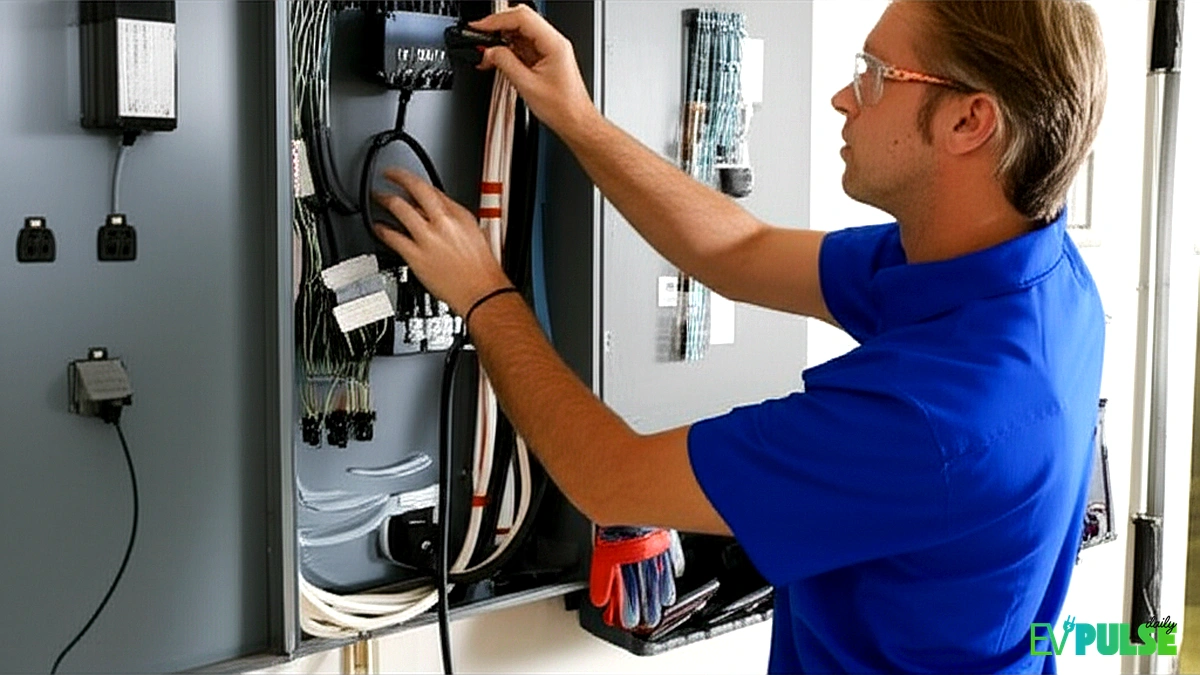
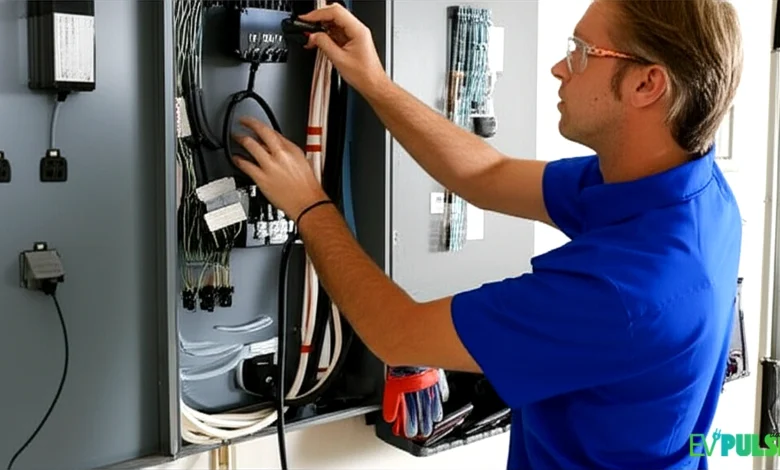
Installing a tesla home charger requires professional electrical work that most homeowners cannot safely complete themselves. The installation process involves running dedicated 240V circuits from your electrical panel to the charging location, installing appropriate breakers, and mounting the Wall Connector unit. While technically straightforward for licensed electricians, the work must comply with local electrical codes and typically requires permits and inspections.
The tesla home charger supports multiple circuit configurations depending on your electrical panel capacity and charging speed requirements. Most residential installations use 60-amp circuits, enabling the full 48-amp charging capability. However, homes with limited panel capacity can utilize 40-amp or 30-amp circuits, still delivering substantial charging speeds of 30-37 miles of range per hour. Tesla’s installation guide provides detailed specifications that electricians use to determine optimal configurations for specific homes.
Electrical panel upgrades represent the most significant variable in tesla home charger installation costs. Older homes with 100-amp panels often require service upgrades to 200-amp capacity, adding $1,500-$3,000 to installation expenses. However, many homes built after 1990 already feature 200-amp service, requiring only circuit installation rather than comprehensive panel upgrades. A licensed electrician can assess your specific situation and provide accurate cost estimates before work begins.
Tesla offers a network of certified installers who specialize in Wall Connector installation, though any licensed electrician can complete the work. Tesla’s certified program provides some assurance of installation quality and familiarity with Tesla-specific requirements, but independent electricians often charge lower rates while delivering equivalent results. Read about general installation considerations in our EV Home Charging Installation Guide.
Real-World Costs Breakdown
Understanding the true cost of tesla home charger ownership requires examining hardware, installation, and operational expenses. The Wall Connector itself retails for $475 from Tesla’s online store, representing a significant investment compared to third-party alternatives. However, this premium pricing includes Tesla’s integrated software ecosystem, over-the-air updates, and direct compatibility with all Tesla vehicles without adapter requirements.
Installation costs vary dramatically based on electrical complexity, distance from panel to charging location, and local labor rates. Simple installations in garages adjacent to electrical panels might cost $500-$800, while complex installations requiring panel upgrades, long cable runs, or trenching for outdoor installations can exceed $3,000. The national average for tesla home charger installation falls between $1,200-$2,000 when including the Wall Connector hardware.
Federal tax incentives offset these costs significantly for eligible installations. The Alternative Fuel Vehicle Refueling Property Credit provides 30% of installation costs up to $1,000, effectively reducing total expenses by nearly one-third for most homeowners. also, many utility companies offer rebates ranging from $200-$500 for EV charging installation, further reducing out-of-pocket costs. State-level incentives in California, New York, and other EV-friendly jurisdictions provide additional savings opportunities.
Operating costs for tesla home charger ownership depend on local electricity rates and driving patterns. At the national average electricity rate of $0.14 per kWh, fully charging a Model 3 Standard Range (57 kWh battery) costs approximately $8.00. However, time-of-use rate plans offered by most utilities reduce overnight charging costs to $0.08-$0.10 per kWh, cutting charging expenses nearly in half. For drivers covering 12,000 miles annually, tesla home charger operating costs typically range from $30-$50 monthly—significantly less than gasoline expenses for comparable driving. Compare total ownership costs in our EV vs Gas TCO Analysis.
Smart Features and Tesla App Integration
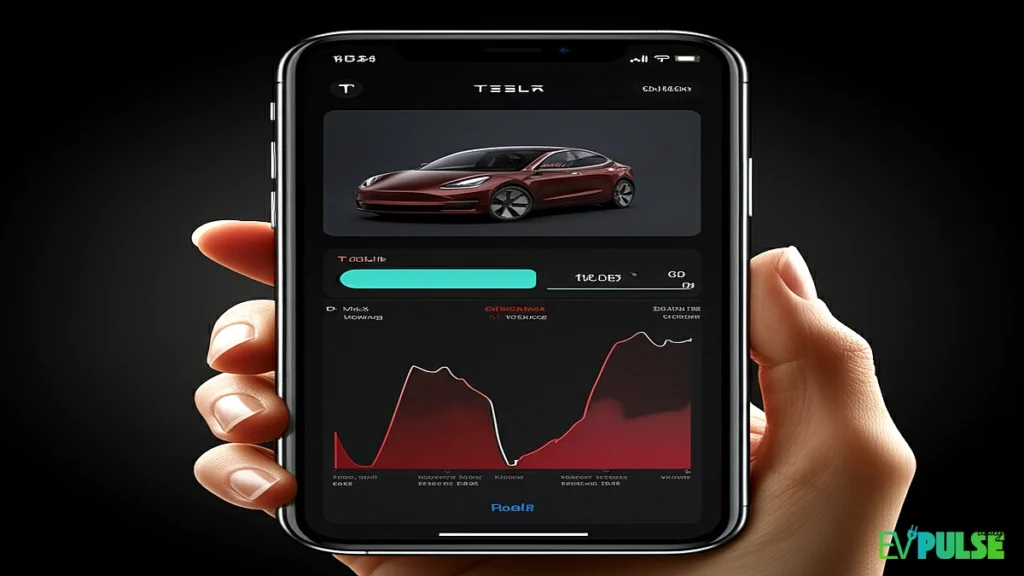
The tesla home charger distinguishes itself through seamless integration with Tesla’s mobile application, providing capabilities that third-party chargers cannot match. The Tesla app displays real-time charging status, estimated completion times, and historical charging data, giving owners complete visibility into their home charging operations.
Scheduled charging represents one of the most valuable tesla home charger features, allowing owners to program charging during off-peak electricity hours automatically. The Wall Connector communicates directly with your vehicle to begin charging at specified times, ensuring you capture the lowest electricity rates without manual intervention. For utilities with complex time-of-use structures, the app can optimize charging schedules for minimum cost while ensuring your vehicle reaches desired charge levels before departure.
Load management capabilities enable multiple tesla home charger installations to share electrical capacity intelligently. Homes with multiple Tesla vehicles can install up to four Wall Connectors on shared circuits, with the system automatically distributing available power between vehicles. This feature eliminates the need for extensive electrical upgrades in multi-vehicle households while ensuring both vehicles charge efficiently.
Over-the-air updates continuously improve tesla home charger functionality without requiring hardware replacement. Tesla regularly releases firmware updates that enhance charging algorithms, improve WiFi connectivity, and add new features. This future-proofing ensures your investment remains current with evolving Tesla vehicle capabilities and smart home integration standards.
Tesla Wall Connector vs Third-Party Alternatives
While the tesla home charger offers compelling integration benefits, third-party alternatives deserve consideration for budget-conscious owners. Products from ChargePoint, JuiceBox, and ClipperCreek provide Level 2 charging capabilities at lower price points, typically ranging from $299-$599 compared to Tesla’s $475 Wall Connector.
Third-party chargers connect to Teslas using the included J1772 adapter, adding minor inconvenience but no functional limitations. These chargers deliver identical charging speeds when properly configured, making them viable alternatives for owners prioritizing cost savings over seamless integration. However, third-party solutions lack the Tesla app integration, scheduled charging, and over-the-air updates that justify Tesla’s premium for many owners.
The tesla home charger particularly justifies its cost for households with multiple Tesla vehicles or owners who value the integrated software ecosystem. The convenience of controlling home charging through the same app used for vehicle monitoring, climate control, and service scheduling creates a unified ownership experience that third-party alternatives cannot replicate.
For owners considering future vehicle purchases, tesla home charger compatibility extends beyond Tesla vehicles. The Wall Connector uses standard J1772 connectors through Tesla’s adapter, enabling charging of non-Tesla EVs. However, third-party chargers offer broader compatibility without adapter requirements, potentially providing better value for households with mixed EV brands. Explore NACS charging standard adoption in our NACS Charging Standard 2026 analysis.
Installation Location Considerations
Selecting the optimal tesla home charger installation location requires balancing convenience, electrical accessibility, and weather protection. Indoor garage installations provide the most protection from environmental factors and enable the cleanest cable management, but outdoor installations offer flexibility for homes without garage parking.
The Generation 3 Wall Connector features IP55 weather resistance, making it suitable for outdoor installations when mounted under protective overhangs. Outdoor installations require weatherproof conduit and careful sealing to prevent moisture infiltration, potentially increasing installation costs by $200-$500 compared to indoor mounting.
Cable length significantly impacts tesla home charger placement flexibility. The standard 24-foot cable reaches most parking positions within typical two-car garages, but longer cable runs or outdoor installations might require the shorter 8.5-foot or 18-foot alternatives. Planning charging locations before purchasing ensures you select appropriate cable lengths for your specific needs.
Future-proofing tesla home charger installations involves considering potential vehicle additions and parking pattern changes. Installing electrical conduit with spare capacity enables future expansion, while selecting mounting locations accessible from multiple parking positions provides flexibility as household needs evolve.
Troubleshooting Common Issues
Even the most reliable tesla home charger installations occasionally require troubleshooting. The most common issues involve WiFi connectivity, ground fault detection, and charging interruptions that the Tesla app helps diagnose and resolve.
WiFi connectivity problems typically stem from weak signals in garage locations. The tesla home charger requires stable internet connections for firmware updates and app communication. WiFi extenders or mesh network additions often resolve connectivity issues without requiring professional intervention.
Ground fault circuit interrupter (GFCI) trips occasionally occur in tesla home charger installations, particularly in outdoor or high-humidity locations. These safety devices protect against electrical hazards but can nuisance-trip in certain conditions. Persistent GFCI issues require electrician evaluation to ensure proper grounding and circuit configuration.
Charging interruptions during severe weather or grid fluctuations affect all EV charging equipment, not just Tesla’s Wall Connector. The tesla home charger includes robust protection circuitry that automatically resumes charging when conditions normalize, typically without owner intervention.
Frequently Asked Questions
How fast does the Tesla Wall Connector charge?
The Tesla Wall Connector Generation 3 delivers up to 48 amps of power, adding approximately 44 miles of range per hour for Model 3 and Model Y vehicles when connected to a 60-amp circuit.
Can I install a Tesla Wall Connector myself?
No, professional installation is required and strongly recommended. Installing a Wall Connector involves working with 240V electrical circuits, which requires licensed electrician expertise for safety and code compliance.
Does the Tesla Wall Connector work with other EV brands?
Yes, the Wall Connector uses the standard J1772 charging protocol, making it compatible with all electric vehicles when used with the appropriate adapter.
What is the total cost of Tesla Wall Connector ownership?
Total ownership costs range from $1,000-$3,000 including the $475 hardware and professional installation. Federal tax credits cover 30% up to $1,000, while many utilities offer $200-$500 rebates.
Can I install the Wall Connector outdoors?
Yes, Generation 3 Wall Connectors feature IP55 weather resistance, making them suitable for outdoor installations when mounted under protective overhangs.
Key Takeaways
The tesla home charger represents the optimal charging solution for Tesla owners prioritizing integration, performance, and convenience. With charging speeds up to 44 miles of range per hour, comprehensive app integration, and seamless Tesla ecosystem compatibility, the Wall Connector justifies its premium pricing for dedicated Tesla households.
Total tesla home charger ownership costs range from $1,000-$3,000 including installation, with federal tax credits and utility rebates offsetting 30-50% of these expenses for eligible installations. Operating costs of $30-$50 monthly compare favorably to gasoline expenses while providing the convenience of overnight home charging.
Third-party alternatives offer viable budget options for cost-conscious owners, but lack the integration depth and software sophistication that distinguish Tesla’s official solution. For households committed to Tesla vehicles long-term, the tesla home charger investment delivers superior ownership experience that third-party chargers cannot replicate.
As Tesla continues expanding its vehicle lineup and charging capabilities, tesla home charger compatibility ensures your home charging infrastructure remains current with evolving technology. The combination of performance, integration, and future-proofing makes Tesla’s Wall Connector the definitive choice for serious Tesla owners in 2026. For broader charging infrastructure information, visit the Department of Energy Alternative Fuels Data Center.