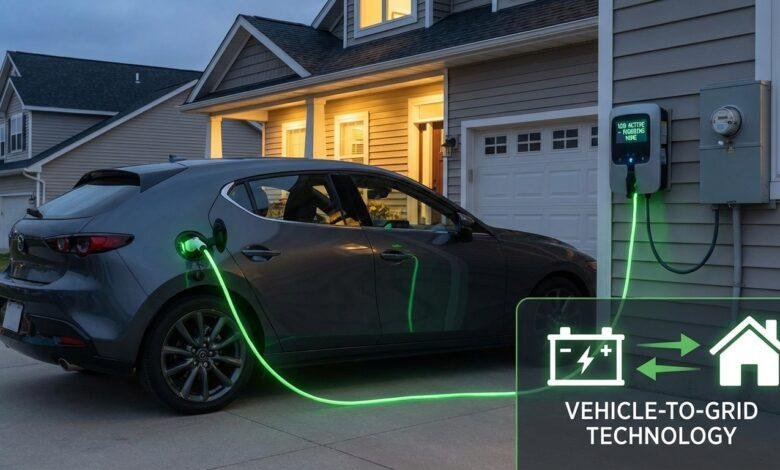
V2G Technology 2026 is poised to revolutionize the electric vehicle landscape, transforming your car from a mere transportation device into a mobile power station that can earn you money. Vehicle-to-Grid (V2G) technology enables bidirectional energy flow between your electric vehicle and the power grid, creating opportunities for energy arbitrage, grid stabilization, and emergency backup power that seemed like science fiction just a few years ago.
As we move through 2026, the convergence of advanced battery technology, smart grid infrastructure, and supportive regulatory frameworks is making V2G accessible to everyday EV owners. This comprehensive guide explores how V2G charging works, which vehicles support it, and why it could be the most significant development in EV ownership since DC fast charging.
What Is V2G Technology and How Does It Work?
Vehicle-to-Grid technology allows electric vehicles to not only draw electricity from the grid but also feed stored energy back into it. This bidirectional capability transforms EVs into distributed energy storage units that can help balance electricity demand, provide grid services, and even power homes during outages.
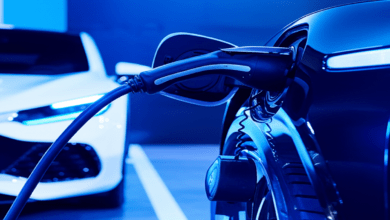
The technical foundation of V2G relies on specialized bidirectional chargers that can convert DC power from your EV battery back to AC power compatible with the electrical grid. Advanced power electronics ensure that energy flows safely in both directions, with smart software managing when to charge, when to discharge, and how much energy to transfer based on grid conditions, electricity prices, and your driving needs.
The V2G Ecosystem in 2026: Major Players and Compatible Vehicles
The V2G landscape has expanded dramatically in 2026, with multiple automakers offering bidirectional charging capabilities. The Ford F-150 Lightning remains a pioneer in this space, offering Intelligent Backup Power that can keep an average home running for days. Nissan’s Leaf has supported V2G through CHAdeMO connectors for years, and the technology is now maturing with the brand’s 2026 lineup.
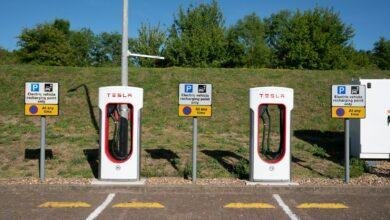
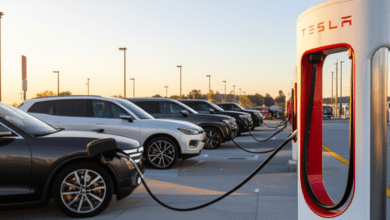
Perhaps most significantly, Tesla has finally embraced bidirectional charging with select Model Y and Model 3 vehicles manufactured after late 2025. This development is game-changing given Tesla’s market dominance. The Tesla Model Y now supports V2H (Vehicle-to-Home) functionality with the Tesla Powerwall ecosystem, with full V2G grid participation rolling out in select markets.
Other notable V2G-capable vehicles in 2026 include the BMW iX3 Neue Klasse, the Honda Afeela 1 developed in partnership with Sony, and the 2026 Hyundai Ioniq 5 with its updated Vehicle-to-Load capabilities extended to full V2G functionality.
Financial Benefits: How V2G Technology 2026 Can Pay You
One of the most compelling aspects of V2G Technology 2026 is the potential for significant financial returns. By participating in grid services programs, EV owners can earn between $500 and $2,000 annually depending on their location, vehicle battery capacity, and grid participation level.
The primary revenue streams include demand response programs, where utilities pay you to reduce charging during peak periods or discharge energy back to the grid; frequency regulation services, where your EV helps stabilize grid frequency in real-time; and energy arbitrage, charging when electricity is cheap and selling back when prices spike.
For homeowners with solar panels, V2G creates a powerful synergy. Charging your EV at home with excess solar generation during the day, then selling stored energy back to the grid during evening peak hours, maximizes renewable energy utilization while generating income. Some utilities now offer specialized V2G rates that can reduce your cost to charge an EV at home by up to 60%.

Grid Stability and Environmental Impact
Beyond individual financial benefits, V2G Technology 2026 plays a crucial role in grid modernization and renewable energy integration. As intermittent renewable sources like wind and solar constitute an increasing share of electricity generation, the grid needs flexible storage solutions to balance supply and demand.
The collective battery capacity of millions of EVs represents a massive distributed energy storage resource. Studies suggest that if just 20% of EVs participated in V2G programs, they could provide sufficient grid storage to support a 50% renewable energy grid without building additional utility-scale batteries. This makes V2G essential for solid-state battery technology adoption and broader electrification goals.
The current federal EV policies have maintained tax incentives for V2G-capable vehicles and charging infrastructure, recognizing the technology’s importance for energy security and grid resilience. Additionally, EV tax credits in 2026 include specific provisions for bidirectional charging equipment.
Real-World Applications: From Emergency Backup to Grid Services
During the California heat waves of summer 2025, V2G-enabled vehicles provided over 100 megawatts of grid support, preventing rolling blackouts. Individual participants earned an average of $150 per event while helping keep the lights on for millions of residents. This real-world success has accelerated utility adoption of V2G programs nationwide.
For residential users, V2G provides peace of mind during power outages. When Hurricane Marco struck Florida in late 2025, F-150 Lightning owners used their vehicles to power homes for an average of 4 days until grid power was restored. This capability makes the best electric cars of 2026 not just transportation but essential emergency preparedness equipment.
Commercial applications are expanding too. Fleet operators with vehicles like the Rivian R2 or Tesla Cybertruck can generate substantial revenue by aggregating multiple vehicles into virtual power plants. A fleet of 100 V2G-capable trucks can earn $50,000-$100,000 annually while parked, offsetting operational costs significantly.
Challenges and Considerations
Despite its promise, V2G Technology 2026 faces several challenges. Battery degradation concerns top the list, though recent studies show that moderate V2G participation (1-2 cycles per day) has minimal impact on battery longevity. Modern EVs with advanced battery chemistries are designed for bidirectional cycling, and most automakers now include V2G usage in their battery warranties.
Infrastructure requirements remain a barrier. Bidirectional chargers cost $2,000-$5,000 installed, though this is partially offset by utility rebates and federal tax credits. Additionally, not all public charging stations support V2G, limiting participation for apartment dwellers and those without home charging access.
Regulatory frameworks vary by state, with some utilities offering favorable V2G rates while others restrict grid participation. The wireless charging infrastructure being developed by companies like Porsche may eventually support V2G, but current implementations remain primarily plug-in based.
The Future of V2G: What’s Next
Looking ahead, V2G Technology 2026 is just the beginning. By 2027, analysts predict that 40% of new EVs will support bidirectional charging as standard. Vehicle-to-Everything (V2X) capabilities will extend beyond the grid to power tools at worksites, camping equipment, and even other EVs through vehicle-to-vehicle charging.
The integration of V2G with smart home energy systems is creating comprehensive home energy management solutions. Your EV will automatically optimize charging based on solar generation, electricity prices, weather forecasts, and your scheduled departure times—completely hands-off energy management that saves money and reduces carbon footprint.
As EVs achieve price parity with gasoline vehicles, V2G capabilities provide an additional economic advantage that internal combustion vehicles can never match. The ability to generate income from your car fundamentally changes the total cost of ownership equation in favor of electrification.
For those considering their first electric car, V2G capability should be a key consideration. Even if you don’t participate in grid programs initially, having a vehicle that can power your home during outages provides invaluable peace of mind. As automakers like BYD and Tesla continue innovating, bidirectional charging is becoming a standard feature rather than a premium option.
Frequently Asked Questions
Does V2G damage my EV battery?
Modern EVs designed for V2G Technology 2026 use advanced battery management systems that minimize degradation. Studies show that moderate V2G usage (1-2 cycles daily) has negligible impact on battery life, and most automakers now include V2G participation in their battery warranties. The key is using manufacturer-approved charging equipment and software.
How much money can I make with V2G?
Typical earnings range from $500 to $2,000 annually depending on your location, electricity rates, vehicle battery capacity, and grid participation level. California, Texas, and New York offer the highest V2G incentives. Peak demand events can pay $2-$5 per kWh discharged, creating significant earnings potential during summer heat waves or winter storms.
Which EVs support V2G in 2026?
Major V2G-capable vehicles include the Ford F-150 Lightning, Nissan Leaf, Tesla Model Y and Model 3 (2025+), BMW iX3 Neue Klasse, Honda Afeela 1, and Hyundai Ioniq 5. Compatibility varies by market and requires specific software updates. Always verify V2G capability with your dealer before purchase, as not all trim levels support bidirectional charging.
What equipment do I need for V2G?
You’ll need a bidirectional charger (DC for CCS vehicles, typically $2,000-$5,000 installed), a compatible electric vehicle, and participation in a utility V2G program or third-party aggregator service. Some utilities provide equipment subsidies up to $2,000. Home electrical upgrades may be required for high-power bidirectional charging.
Can I use V2G if I live in an apartment?
Currently, V2G requires home charging infrastructure, making it primarily available to homeowners. However, some utilities are piloting workplace V2G programs where employees can participate using employer-installed bidirectional chargers. Community solar and V2G hubs are emerging in some urban areas, though widespread apartment V2G access remains limited.
How does V2G help the environment?
V2G Technology 2026 enables greater renewable energy integration by storing excess solar and wind power in EV batteries and discharging it when renewable generation is low. This reduces the need for fossil fuel peaker plants and enables higher penetration of clean energy on the grid. Studies suggest widespread V2G adoption could reduce grid emissions by 15-20%.
External References:
- U.S. Department of Energy – Vehicle-Grid Integration Research
- International Energy Agency – Global EV Outlook 2026
- National Renewable Energy Laboratory – Vehicle-Grid Integration